Caffeine in Fat Burners: Count the Whole Day Before Comparing Products
Learn why caffeine totals, serving sizes, sleep, and combination formulas matter when evaluating stimulant weight loss products.

More stimulation does not establish more sustained weight loss; total daily caffeine exposure and product combinations matter.
A supplement can hide inside an ordinary routine
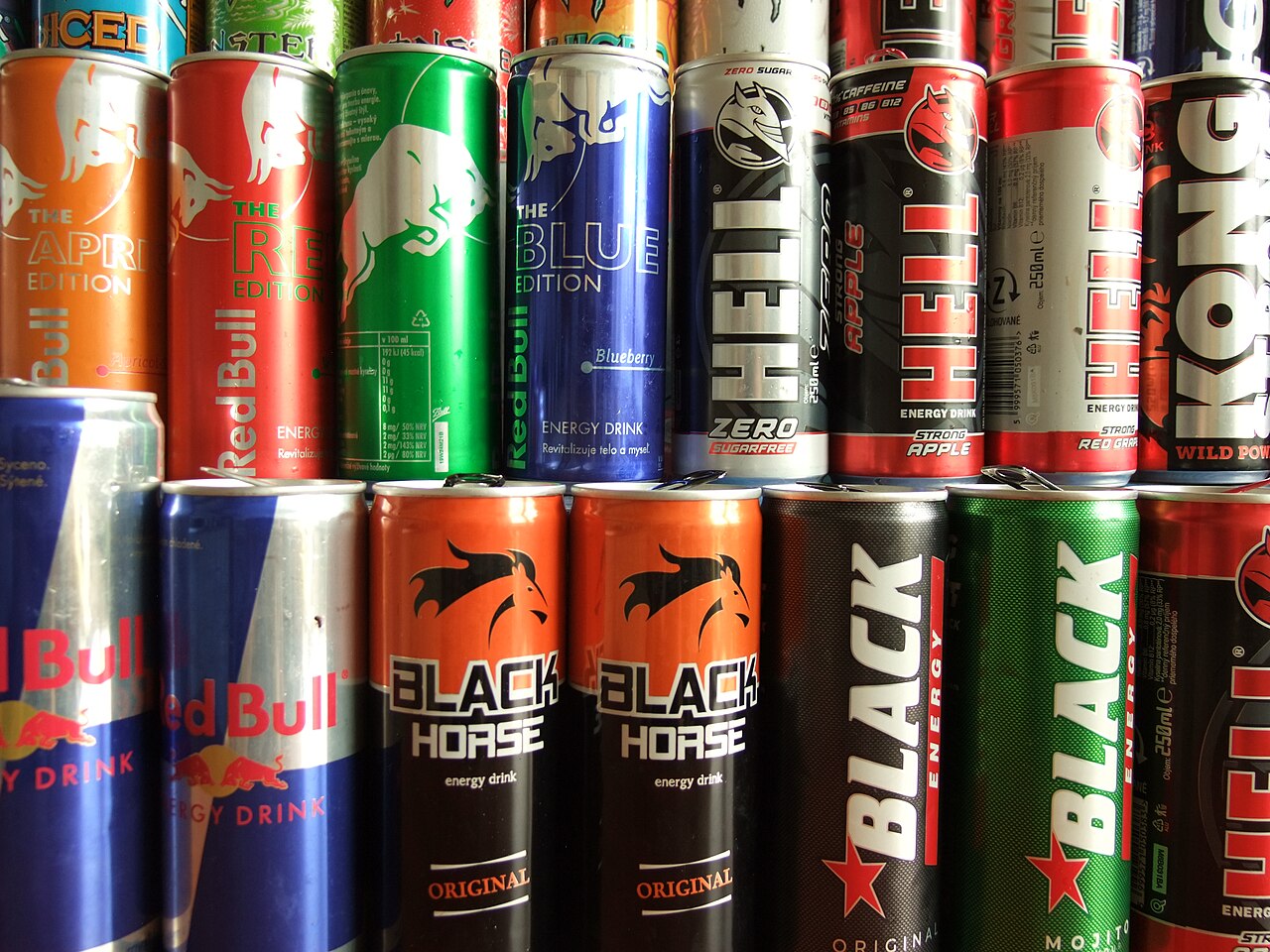
Someone who drinks coffee in the morning may think of a lunchtime weight loss capsule as a separate decision. Yet both can contain caffeine, as can tea, energy drinks, and exercise products. Evaluating only the capsule label misses the day's combined exposure. A reasonable review begins with everything being consumed, including serving sizes that differ from the package's example.
This matters because a strong sensation of energy is easy to notice and easy to mistake for evidence of weight loss. Feeling stimulated tells a person that something happened after taking the product. It does not establish the size or durability of any effect on body weight.

What the weight research can establish
NIH ODS describes uncertainty about caffeine's contribution to long-term weight loss. Trials have often been short and have used combination products, making the independent role of caffeine difficult to isolate. Temporary changes in energy expenditure do not necessarily translate into a durable change in body weight.
A useful research report separates those outcomes. Did the trial measure weight over time, an appetite rating, or a brief metabolic response? Did the comparison group receive the same diet and exercise support? Without those details, a claim that a product boosts metabolism can sound more decisive than the study warrants. Identify the actual outcome before judging the marketing language.
Read beyond the word caffeine
Caffeine may appear directly on a label or come from ingredients such as guarana, kola nut, or green coffee. The presence of a plant name does not make the stimulant exposure disappear. If a package does not make the total clear, the uncertainty is relevant when comparing products.
Write down the stated amount per serving, the serving instructions, and how often the product would be used. Add the caffeine amounts from other sources where those amounts are known. This is a record for a discussion with a health professional, not a calculation that guarantees safety. Individual sensitivity and other ingredients can change the significance of the same total.
Sleep and symptoms belong in the evaluation
FDA describes caffeine sensitivity as variable and notes effects such as sleep disruption, anxiety, and a fast heart rate when intake is excessive for the individual. A universal number cannot capture every medicine interaction or health condition. Pregnancy and other circumstances may require particular guidance.
A product promoted for energy can also influence the routine around sleep and activity. If someone sleeps poorly after using it, that observation deserves attention rather than being dismissed as proof the product is powerful. Keep a record of the timing and the full product name. Seek appropriate medical help for concerning symptoms instead of trying to counteract one supplement with another.
Why stacking products makes the question harder
A pre-workout powder and a weight loss capsule may each be marketed for a different purpose, while sharing stimulant ingredients. Combining them can create an exposure that neither product's cited study tested. Taking them at different times does not automatically remove that concern.
When a seller cites research on one ingredient, ask whether the marketed combination itself was studied. Also consider whether product testing addresses identity or contamination rather than effectiveness. Those are valuable but separate questions. FDA's supplement resources explain that products are not approved for safety and effectiveness before sale in the way medicines are. A familiar retailer does not replace this missing clinical evidence.
Compare value rather than intensity
An informed purchase decision asks what sustained outcome is supported, how uncertain that outcome is, and what the product costs. The strongest immediate sensation is not a useful ranking system. Neither is an online review that describes sweating or alertness without a meaningful comparison over time.
For people pursuing weight management, NIDDK emphasizes realistic goals and continuing support. Bring a full list of drinks and supplements to a clinician or pharmacist when asking about a stimulant product. The most useful question is not simply whether caffeine burns fat; it is whether this complete daily exposure has a clear role and an acceptable risk in the person's broader plan.
Sources & further reading
This article provides educational information. Ask a qualified clinician or pharmacist about your symptoms, medical conditions, medicines and supplement interactions.