Fucoxanthin for Weight Loss: The Combination-Product Problem
A guide to fucoxanthin, the Xanthigen trial, newer metabolic studies, seaweed-extract differences, safety, and why one trial is not enough.
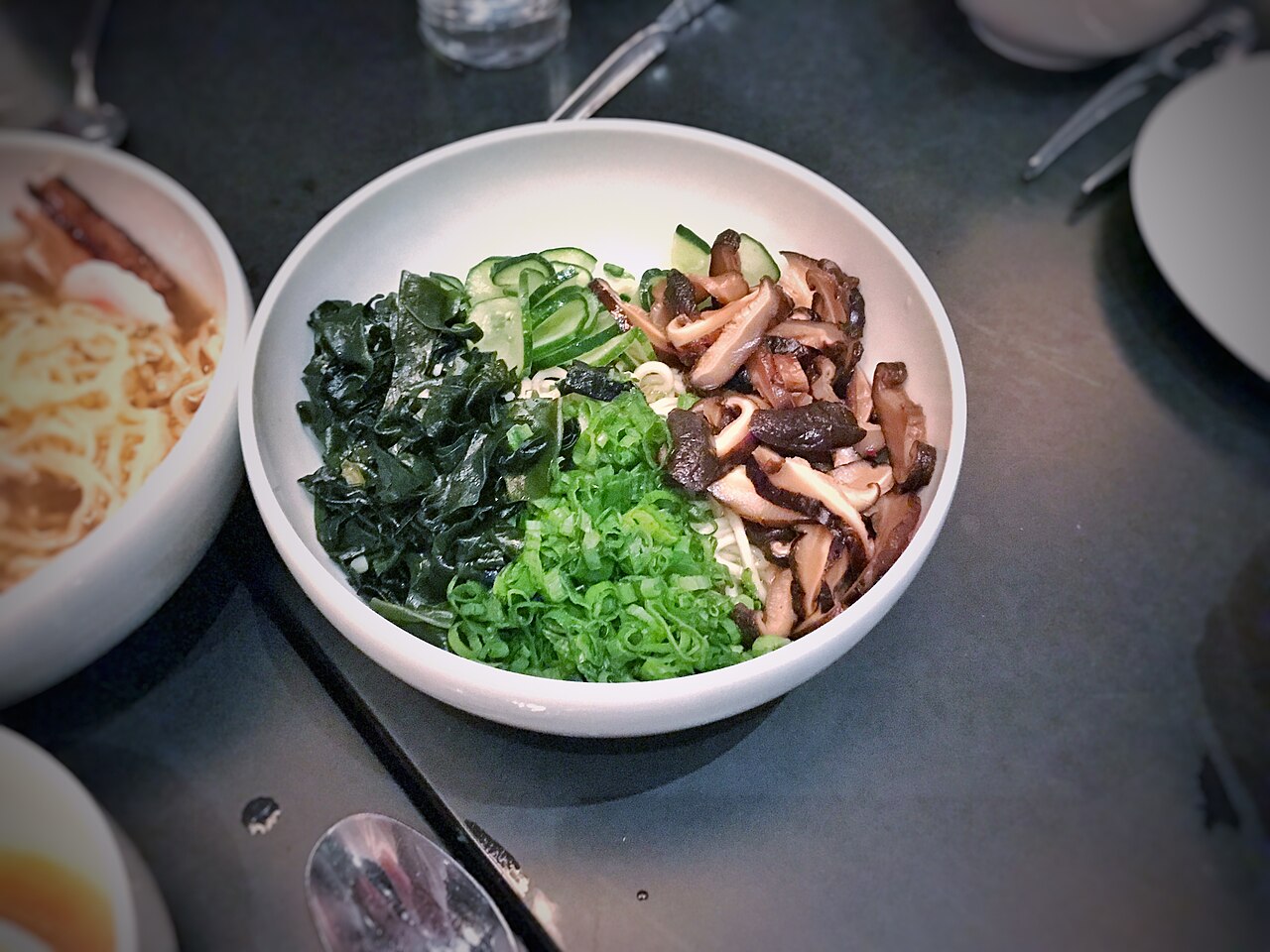
A positive combination-product trial cannot isolate fucoxanthin, and later fucoxanthin trials have not established dependable weight loss.
A brown-seaweed pigment with many proposed mechanisms
Fucoxanthin is a carotenoid found in brown algae and some microalgae. Laboratory research proposes effects on energy expenditure, fat oxidation, and adipocyte biology. Those mechanisms are largely based on cells and animals. Human absorption produces metabolites such as fucoxanthinol, and metabolism differs between species.
Seaweed powder, kombu extract, fucoxanthin-enriched oil, and purified standardized extract vary in dose and accompanying compounds. Iodine content may also differ. A brown color or seaweed source does not identify the intervention.
The famous weight trial tested a combination
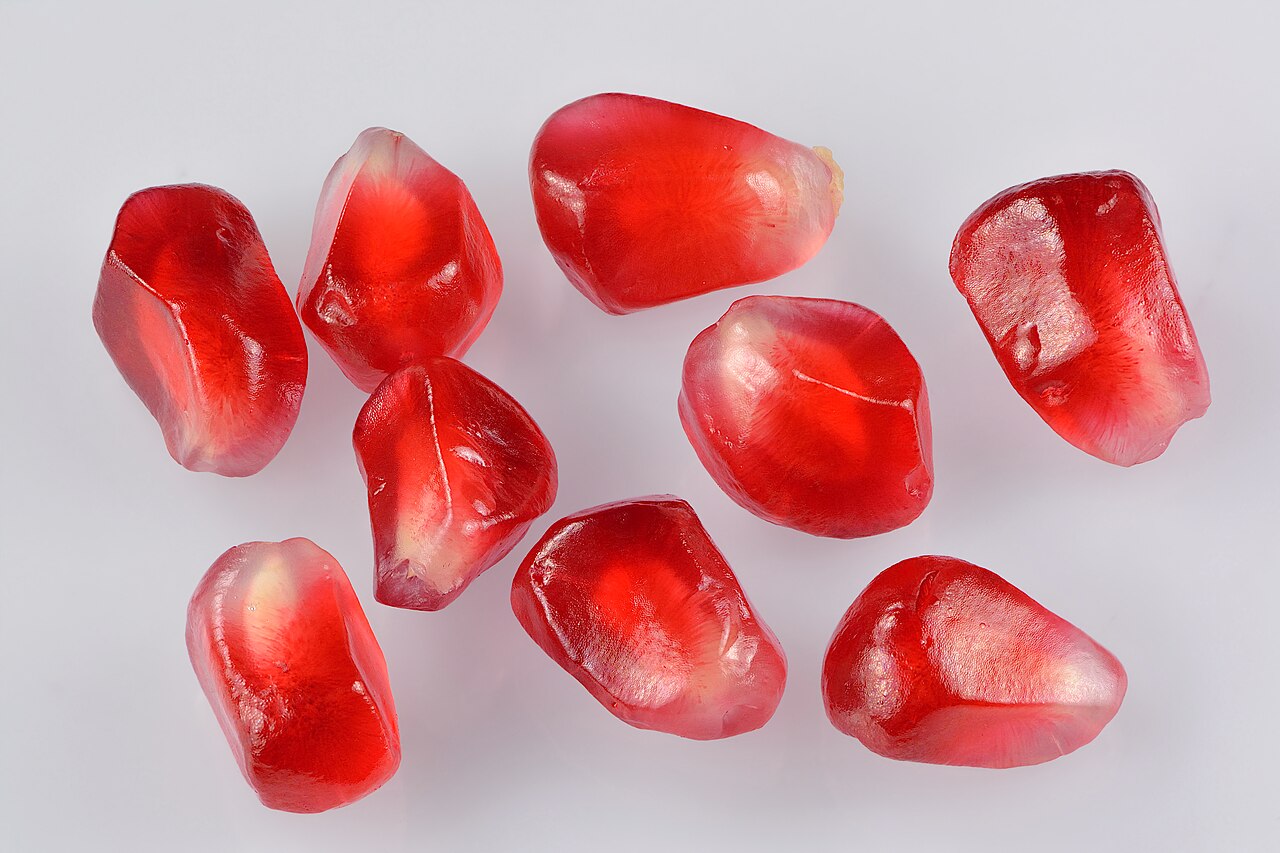
A 16-week randomized trial enrolled 151 premenopausal women with obesity, some with fatty liver. The tested product combined brown-seaweed extract providing fucoxanthin with pomegranate-seed oil. Groups also followed a controlled 1,800-calorie diet. The combination produced larger losses in weight and fat than placebo and changed several metabolic measures.
Because two active components were combined, the trial cannot determine how much benefit came from fucoxanthin, pomegranate oil, their interaction, or the specific formulation. It also studied women only, within a defined diet.
A fucoxanthin-oil trial found no fat change
A randomized study in 60 Japanese adults tested 0, 1, or 2 milligrams per day of fucoxanthin-enriched akamoku oil for eight weeks. Visceral fat area and resting energy expenditure did not change significantly. HbA1c declined in the 2-milligram group, with an exploratory genetic interaction.
A glucose marker is not a weight-loss outcome, and a gene subgroup should not become a consumer DNA claim without replication. The study weakens the idea that low-dose fucoxanthin predictably increases metabolism.
A small metabolic-syndrome trial needs replication
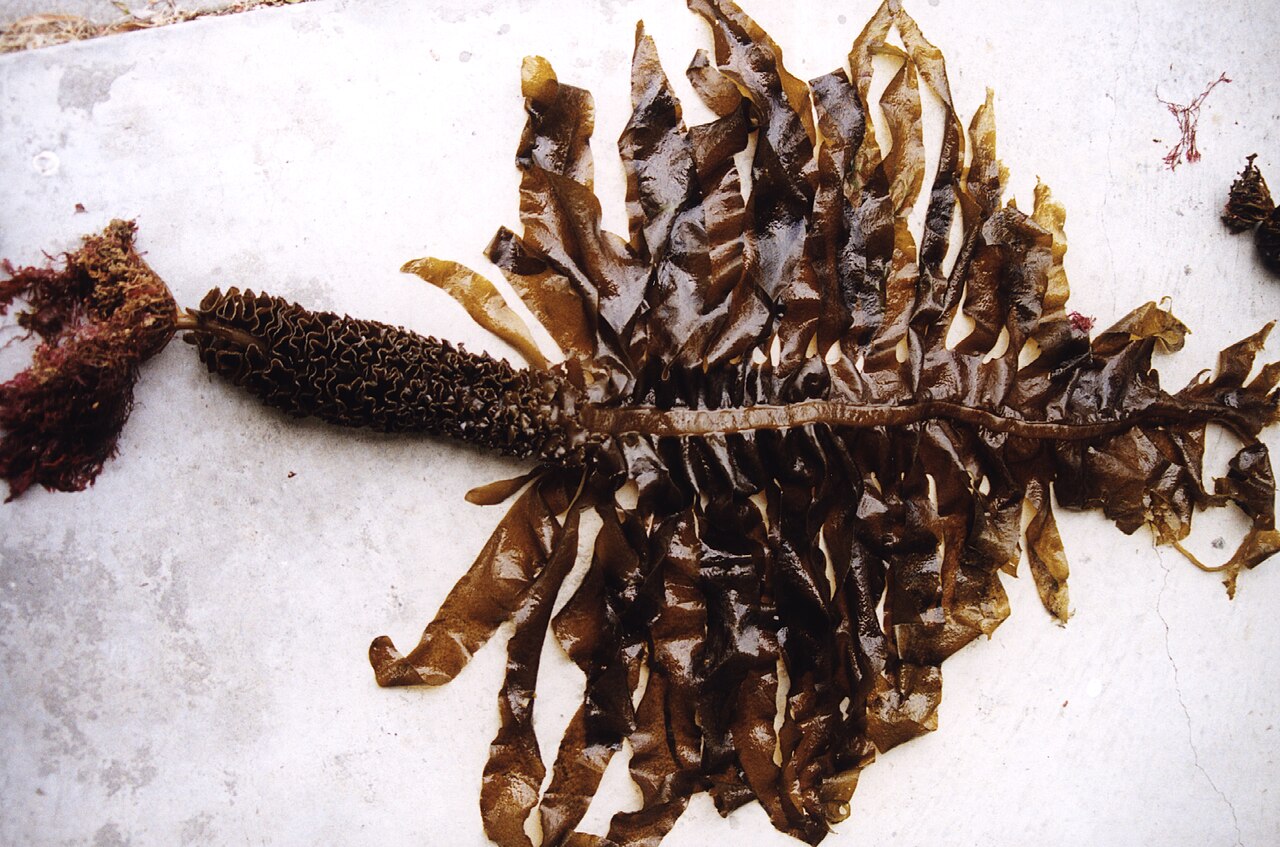
A later randomized placebo-controlled study assigned 28 people with metabolic syndrome to 12 milligrams of fucoxanthin or placebo for 12 weeks. Within the fucoxanthin group, weight, waist, blood pressure, triglycerides, and insulin-secretion measures improved. Small samples and emphasis on within-group change limit confidence unless direct between-group results and methods are clear.
The dose was five times the fucoxanthin amount in the combination trial. Dose, formulation, and population differences prevent simple pooling.
Safety and label questions remain
Human safety data are limited and mostly short term. Seaweed-derived products may contain iodine or contaminants unless manufacturing controls are strong. People with thyroid disease, iodine-sensitive conditions, pregnancy, or multiple medications should seek professional advice before concentrated use.
A label should state fucoxanthin milligrams, source organism, extract amount, iodine information, and independent contaminant testing. NIH guidance considers the evidence insufficient for firm conclusions. One positive combination trial is a reason for research, not a guarantee for standalone fucoxanthin.
The Xanthigen result is often quoted as though 2.4 milligrams of fucoxanthin alone caused every kilogram lost. Factorial testing of fucoxanthin alone, pomegranate oil alone, the combination, and placebo would be needed to separate components. Without that design, synergy is possible but unproven. The controlled diet also contributed to loss in every group and cannot be omitted from the interpretation.
Human pharmacokinetic work shows that fucoxanthinol appears in blood after kombu extract, but absorption is not efficacy. A compound reaching plasma confirms exposure, not fat burning. Bioavailability can also change with oil, food, source algae, and processing, so milligram comparisons across products may be misleading.
The small metabolic-syndrome trial reported several before-and-after improvements, but a randomized study should emphasize changes versus placebo. Within-group significance can occur through time trends, regression to the mean, or shared behavior. Readers should look for the full between-group table before accepting the conclusion.
Seaweed foods can be part of a nutritious diet, yet concentrated extracts remove the culinary context and may concentrate iodine or contaminants. Independent testing for heavy metals and iodine disclosure are especially relevant. Until multiple independent trials isolate the ingredient and reproduce weight outcomes, fucoxanthin remains experimental for this purpose.
Future studies should prespecify weight as the primary endpoint, use a verified standalone preparation, report iodine exposure, and follow participants after discontinuation to assess maintenance.
Sources & further reading
This article provides educational information. Ask a qualified clinician or pharmacist about your symptoms, medical conditions, medicines and supplement interactions.