Glucomannan and Fullness: Why a Fiber Mechanism Is Not a Weight Loss Guarantee
Examine glucomannan research, fullness claims, formulation differences, and swallowing concerns before treating fiber capsules as a weight loss solution.
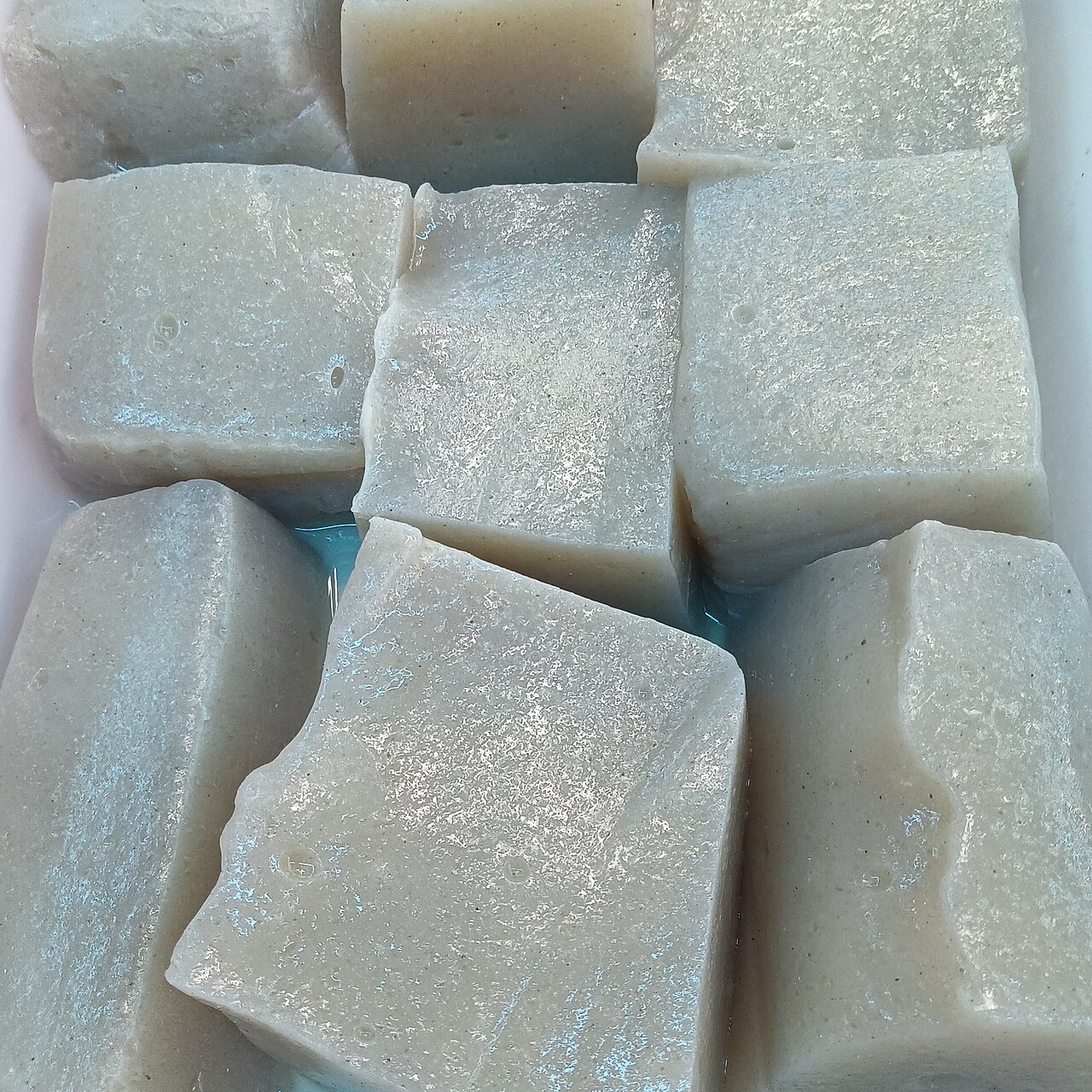
Glucomannan can interact with water and digestion, but clinical evidence does not establish reliable meaningful weight loss.
Start with what the ingredient is
Glucomannan is a soluble fiber obtained from the konjac plant. It is often marketed with an appealing explanation: fiber absorbs water, contributes to fullness, and therefore should lead to weight loss. The explanation contains a proposed pathway, but several steps remain between a laboratory property and a sustained change on a person's scale.
The useful question is what happened in controlled human trials. Did participants eat differently, and did weight change more than in the comparison group? Was that change maintained? A mechanism can explain why researchers investigate an ingredient without establishing how well a retail product works in everyday life.

Separate fullness from body weight
Feeling full after a serving is an experience that can be measured, but it is a different endpoint from long-term weight change. People may compensate later in the day, change other foods, or stop using a product. A short appetite experiment cannot answer all of those questions.
NIH ODS reports inconsistent weight results for glucomannan, with reviews finding little or no effect on weight in some analyses. That assessment should shape the expectation attached to the ingredient. It does not support a promise of substantial loss simply because the fiber expands in water. Report the clinical outcome beside the proposed mechanism rather than allowing the mechanism to stand in for it.
The dosage form is part of safety
A loose powder, a capsule, and a tablet are different ways of delivering a water-absorbing material. NIH ODS describes gastrointestinal complaints and reports of obstruction associated with some glucomannan preparations. Swallowing difficulties are therefore relevant to a product review, even if the ingredient sounds like an ordinary food component.
An article should not invent a universal preparation method or override a product label. Someone with swallowing problems, digestive disease, or a complex medication routine should obtain individualized professional advice before considering it. The fact that fiber is an important dietary component does not establish that every concentrated fiber format is suitable for every person.
Compare the actual product with the study
Check whether a cited trial used glucomannan alone or combined it with other ingredients. Record the form, the amount, the duration, and whether participants followed a specified eating plan. If the marketed product differs, describe that difference plainly rather than assuming that all konjac-based products have an equivalent effect.
Research on cholesterol or blood glucose also does not automatically prove a weight loss claim. A supplement can influence one measure without producing a worthwhile effect on another. This is a common source of confusion when one sales page collects several kinds of favorable results under a single headline about slimming or appetite control.

Consider the dietary context
NIDDK describes successful weight management programs in terms of realistic goals, appropriate dietary changes, and continuing support. That perspective helps put a fiber product in proportion. It can be useful to ask what problem the product is intended to solve and whether ordinary changes in meals could address that problem with broader nutritional benefits.
A dietitian can help assess dietary fiber intake, tolerance, and practical options without assuming that a supplement is necessary. This discussion is especially valuable when someone has already restricted many foods. A capsule cannot reveal whether the overall eating pattern provides adequate variety, sufficient nourishment, or a realistic approach to maintaining changes.
A careful conclusion for shoppers
Before purchasing, look for a clearly identified ingredient, readable serving information, transparent safety directions, and evidence about the marketed preparation. Compare the monthly expense with the modest or uncertain effect described by reliable summaries. A product being available without a prescription does not prove that it offers meaningful benefit.
Glucomannan deserves neither a magical reputation nor a blanket dismissal based only on its name. The evidence-based conclusion is narrower: its physical properties are interesting, while reliable weight outcomes remain uncertain. Decisions should reflect the clinical findings, the dosage form, and personal circumstances, with particular attention to swallowing and digestive concerns that advertising may overlook.
Sources & further reading
This article provides educational information. Ask a qualified clinician or pharmacist about your symptoms, medical conditions, medicines and supplement interactions.