Liva Flirty Time Review: Intimate Wellness That Fits a Thoughtful Routine
Explore Liva’s women’s wellness gummies alongside nutrition priorities, body confidence, ashwagandha evidence, the current label, and purchase terms.
Liva’s flavored gummy format may appeal to women building an enjoyable wellness routine. Evaluate it for intimate well-being rather than weight loss, and confirm its nutrient, sugar, and subscription details before choosing it.
A wellness goal that deserves its own attention
A thoughtful wellness routine can include more than a number on a scale. Comfort, enjoyment, relationships, and a sense of personal vitality also matter. Liva Flirty Time enters that conversation with a women-focused gummy built around ashwagandha and described as strawberry-peach flavored. Its lighthearted presentation may appeal to someone who wants to make intimate well-being feel easier to discuss and less like another demanding task.
For WeightWell readers, the useful question is how this product fits alongside nutrition and personal priorities. Liva is marketed for intimate wellness, not as a weight-loss aid, fat burner, or appetite treatment. It should not be expected to change body size or compensate for an overly restrictive diet. Its appeal lies in a convenient chewable format and an ingredient with early human sexual-function research. Reviewing those attributes separately from weight-management claims helps keep the choice positive, specific, and grounded in what the current listing actually shows.
Why the gummy format may feel inviting
Someone who already manages meals, appointments, activity, and other supplements may appreciate a product that needs no mixing or measuring. Liva comes as a pectin-based gummy, with 30 gummies identified in the current checkout. A small bottle and a familiar chewable texture can be practical advantages for a person who dislikes swallowing capsules. The seller’s strawberry-peach flavor description also gives the product a more enjoyable identity than a plain tablet.
Convenience is worth recognizing on its own terms. A pleasant format can make a product more attractive without proving that its health effects are larger. The right comparison is not simply which supplement feels more indulgent or more strict. It is which confirmed formula fits the person’s needs, budget, dietary preferences, and medical circumstances. A gummy can be an appealing choice within that process, provided its nutrition information is clear. Enjoyment and careful label reading are compatible parts of the same informed purchase.
What the current facts graphic shows
The official online panel lists 25 mg of ashwagandha root, 2 mg of zinc supplied as citrate, and 100 mcg of vitamin D2, equivalent to 4,000 IU. These are the current displayed amounts, rather than a generic description of ashwagandha products. The catalog’s “25mg” wording corresponds to the botanical amount in that panel. The graphic does not visibly include a formal serving-size line, so the received bottle’s complete directions and Supplement Facts should be checked together.
The other ingredients are glucose syrup, sugar, glucose, pectin, citric acid, sodium citrate, natural strawberry flavor, vegetable oil with carnauba wax, and spinach powder. The presence of pectin may suit someone who prefers that plant-derived gelling agent. It does not establish an independently certified vegan product or an absence of all possible allergens. If a specific dietary restriction is important, request the full current bottle information rather than infer suitability from the flavor, color, or a short marketing description.
The nutrition panel needs a simple clarification
Gummy shoppers often want to know the carbohydrate and sugar amounts before adding a product to a routine. The current graphic reports 10 calories and 2 g of total carbohydrate, but also says it includes 4 g of added sugars. Added sugars cannot exceed total carbohydrate in the same serving. This is a displayed inconsistency that should be corrected, not an invitation to assume the lower figure is necessarily right.
That point matters especially for someone counting carbohydrate, managing diabetes, or comparing the gummy with an unsweetened format. It is reasonable to ask the seller for a current, legible bottle panel that states the serving size and reconciled nutrition figures. A sweet flavor is not inherently incompatible with a balanced diet, and there is no need to frame one gummy as a moral decision. Accurate information simply makes the practical decision easier. Until the panel is clarified, this review cannot verify an exact sugar contribution from the online numbers alone.

Body confidence should not depend on a supplement
An intimate-wellness purchase can be an expression of personal interest rather than a response to feeling inadequate. A woman does not need to lose weight, change her appearance, or match a partner’s expectations to deserve satisfying intimacy. Liva’s approachable tone works best when it supports that sense of choice. It should add an optional product to consider, not another standard a person is expected to meet.
A useful personal goal might be making room for pleasure, discussing a concern more openly, or finding a wellness format that feels enjoyable. None of those goals requires promising a physical transformation. The product’s name and packaging may make the subject easier to approach, but they cannot determine what someone should want or how quickly she should respond. Keeping the woman’s preferences at the center helps distinguish an inviting product experience from pressure. The most encouraging purchase is one made with curiosity and realistic expectations about the evidence.
Ashwagandha connects the product to human research
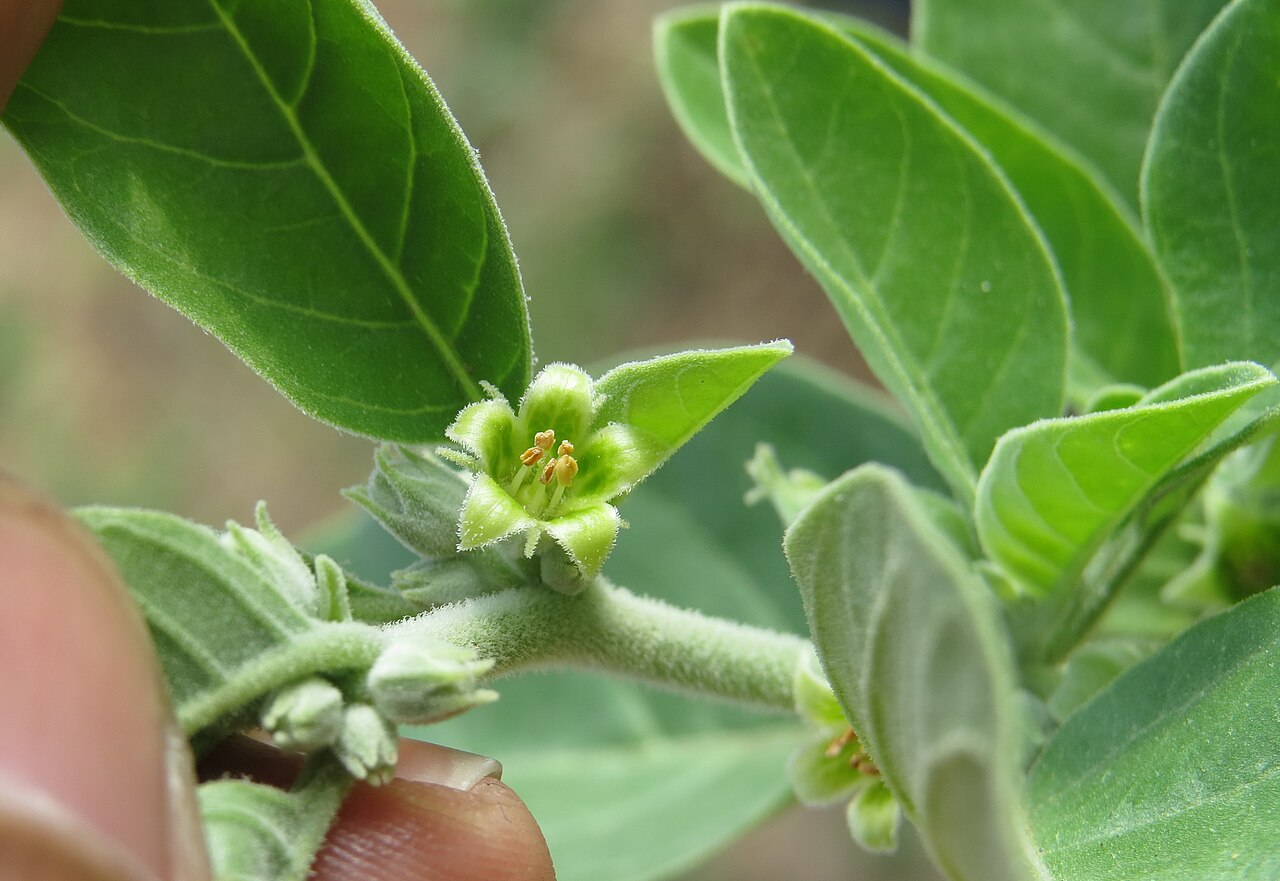
The botanical in Liva is Withania somnifera, commonly called ashwagandha. Research has examined different root and root-and-leaf preparations for stress, sleep, and other outcomes. NIH’s Office of Dietary Supplements describes some promising short-term findings, while stressing that preparations and doses vary. For someone whose intimate life feels crowded by stress, that research direction gives the ingredient a meaningful rationale to explore.
It does not establish that stress is the only reason for lower interest, or that a product can correct every aspect of a demanding routine. A calorie deficit, a medication change, mood, poor sleep, relationship circumstances, and physical discomfort may all be relevant questions in an individual situation. Liva has not been shown in the material reviewed here to resolve those specific causes. Its positive botanical story is strongest when it is presented as an area of emerging evidence, rather than as a universal explanation for why a woman may feel less interested in sex.
What the women’s trials suggest about satisfaction
A small randomized pilot published in 2015 studied 50 women using a concentrated ashwagandha root extract for eight weeks, with counseling provided to both treatment and placebo groups. Overall sexual function and several aspects of the experience favored the extract. The desire domain did not significantly outperform placebo, and the pain finding did not meet the corrected significance threshold. That makes the study more informative than a simple claim that ashwagandha increases libido.
Another randomized trial in 2022 enrolled 80 women and found improvements in overall sexual-function and distress scores with a root extract. Its detailed results table showed no significant between-group change in desire at eight weeks, despite broader wording in the abstract. These studies are encouraging for the ingredient’s potential role in women’s well-being, particularly the quality of sexual experiences. They are not weight-loss studies, and they do not show that changing body weight explains the results. No trial of the finished Liva gummy was identified in the sources reviewed.

The tested amounts are different from this gummy
Both female trials used 300 mg of KSM-66 root extract twice per day over eight weeks. The present Liva graphic lists 25 mg of root. That distinction matters because plant identity alone does not establish equivalent potency or a matching clinical effect. An extract’s composition, the amount taken, and the duration of use all help define what was actually tested. A lower amount needs its own evidence rather than inheriting the result of a larger, different regimen.
The graphic also combines “3% withanolides” with a bracketed 1.5 mg figure beside the 25 mg root amount. Those values are mathematically inconsistent: 3% of 25 mg would be 0.75 mg. Asking for a clarified standardization and a current batch analysis would make the product easier to evaluate. Taking more gummies to approach a study dose is not an appropriate workaround. That would also increase the vitamin D and other ingredients, creating a different and potentially unsuitable exposure rather than recreating the research.
Vitamin D makes total intake important
The D2 form in the panel is a recognized vitamin D ingredient. Vitamin D supports calcium absorption and normal bone and muscle function, so it has a legitimate nutritional role. Its inclusion does not turn Liva into a proven weight-management product or establish that extra vitamin D improves desire in women who already have enough. Nutrient adequacy and a supplement’s marketed outcome are separate questions.
The listed 4,000 IU equals the NIH upper daily intake level for adults, which is higher than the usual recommended daily amount and applies to the total from food, beverages, and supplements. Someone using a multivitamin, a separate vitamin D supplement, or a clinician-directed regimen should discuss the combined intake before adding Liva. That conversation is particularly helpful for people who have changed their supplement habits during weight management. A convenient gummy should simplify an appropriate routine, not quietly duplicate a nutrient amount already supplied elsewhere.
Medication and metabolic context deserve attention
NIDDK describes several ways diabetes can affect women’s sexual health, including changes in nerves, blood flow, hormones, lubrication, and comfort. That is useful context for readers who manage metabolic health: a sexual concern may deserve a specific clinical conversation rather than being treated solely as an issue of motivation or body image. A supplement should not replace diabetes care or be assumed to repair those mechanisms.
Medicines can also change how supplements fit. NIH notes that orlistat can reduce vitamin D absorption, while ashwagandha may interact with medicines used for diabetes and blood pressure, among other categories. These facts do not establish that Liva will help or harm a particular person; they are reasons to review the exact product with a pharmacist or clinician. Do not stop prescribed treatment to accommodate a gummy. The most supportive routine is the one that accounts for the person’s existing care rather than treating each product as an isolated purchase.

Enjoy the ritual without a deadline for desire
The side panel beside the official facts graphic suggests one gummy 30–60 minutes before intimacy or when relaxation, mood, and desire support is wanted. That straightforward use concept may appeal to someone who wants flexibility. It is a seller direction, however, not proof that the finished formula produces a sexual response in that window. The main listing also asks customers to follow their bottle label.
An intimate-wellness routine should allow for an ordinary evening, a change of plans, or simply not feeling interested. The ingredient studies assessed weeks of use, so a countdown is not an appropriate scientific expectation. A woman can appreciate the gummy’s flavor and presentation while keeping the experience low pressure. If persistent pain, dryness, or a sudden change is the main issue, seeking tailored care may be more useful than testing a timing claim. Feeling comfortable with the choice includes feeling free not to pursue intimacy after taking a product.
Suitability can be checked without making it complicated
NCCIH advises avoiding ashwagandha in pregnancy and not using it while breastfeeding. Thyroid disorders, autoimmune conditions, liver concerns, planned surgery, and medicines with interaction potential also warrant a personal review. Short-term studies provide more information than long-term use, and possible effects include drowsiness and gastrointestinal symptoms. Rare liver injury has been reported with ashwagandha supplements. These are concise, relevant facts for deciding whether this botanical fits.
For someone without those complicating factors, the next practical questions are the confirmed bottle label and the combined vitamin D intake. For someone with them, a professional can help assess the specific situation. That is more useful than relying on a broad “natural” label or assuming that a pleasant flavor makes an ingredient universally suitable. A positive wellness choice should feel informed and appropriate. Liva’s inviting format remains a strength when that strength is paired with a clear understanding of what the formula contains.
Pricing, renewals, and the final purchase decision
The catalog lists $79.95 for one pack, $139.95 for two, and $179.95 for three. The larger bundles lower the average pack cost, but the product-specific one-pack checkout is explicitly a subscription: $79.95 today, first renewal after 28 days, then the same selected bundle every 28 days at the stated price with free shipping. It describes cancellation through customer support without cancellation fees or penalties. Confirm the exact selected bundle’s terms before committing to a larger order.
The product page mentions a 30-day satisfaction guarantee, whereas checkout and returns information mention 90 days. Clarifying the applicable written policy is part of comparing value. U.S. manufacturing and third-party testing are seller quality claims; a current lot-specific certificate would make them more tangible, and FDA registration is not FDA approval of effectiveness. Overall, Liva offers a pleasant, female-focused gummy concept with an ingredient worth following. Its best fit is a considered intimate-wellness choice, supported by a clarified label and realistic expectations—not a shortcut to weight loss or a condition for feeling good about one’s body.
Sources & further reading
- Liva Flirty Time: current official product listing ↗
- Current official Supplement Facts and directions graphic ↗
- Liva product-specific checkout and subscription terms ↗
- Shop UltraCore return policy ↗
- Dongre et al.2015: randomized pilot of ashwagandha root extract and female sexual function ↗
- Ajgaonkar et al.2022: randomized trial of ashwagandha root extract and female sexual health ↗
- NIH Office of Dietary Supplements: Ashwagandha, health professional fact sheet ↗
- NCCIH: Ashwagandha usefulness and safety ↗
- NIH Office of Dietary Supplements: Vitamin D ↗
- NIH Office of Dietary Supplements: Zinc ↗
- NIDDK: Diabetes, sexual and bladder problems ↗
- FDA: Information for consumers on using dietary supplements ↗
This article provides educational information. Ask a qualified clinician or pharmacist about your symptoms, medical conditions, medicines and supplement interactions.