Myogentra Review for Body-Composition Goals: Botanical Convenience and Training Context
A focused look at Myogentra’s daily formula, ashwagandha training research, mineral amounts, bundle value, and its place alongside a weight-management routine.
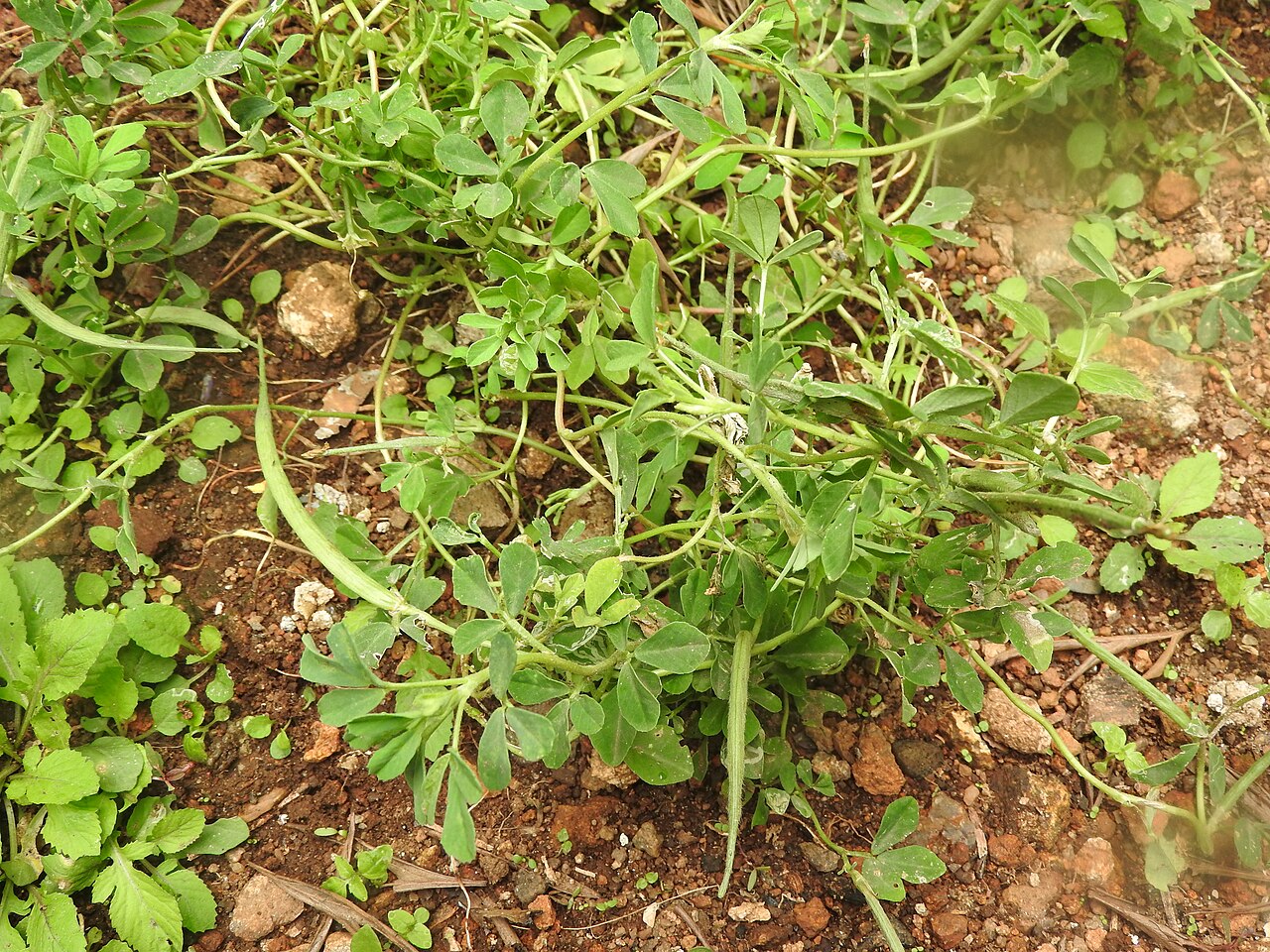
Myogentra may appeal as a convenient men’s botanical and mineral supplement, but it has not demonstrated fat loss or weight-loss results in a finished-product trial.
A simpler supplement routine alongside bigger goals
People working on body composition often face a crowded shopping list. Protein powders, vitamins, botanical products, and training supplements can quickly become difficult to organize. Myogentra offers a compact alternative for men specifically interested in its botanical and mineral combination: one daily capsule rather than several separate bottles. That is the most immediate, verifiable benefit of the format. It can make a chosen supplement habit easier to maintain while leaving room to focus on meals, physical activity, and the rest of daily life.
For readers of The WeightWell Report, the key is to understand what this product is designed to offer. Myogentra is positioned around men's vitality and testosterone support. It is not supported here as a proven fat burner or a stand-alone weight-loss intervention. The ingredient research is more interesting when examined through strength training, hormonal measurements, and general wellness than when converted into a promise about pounds lost. This review looks at that narrower, more useful role and the current details a buyer can actually verify.
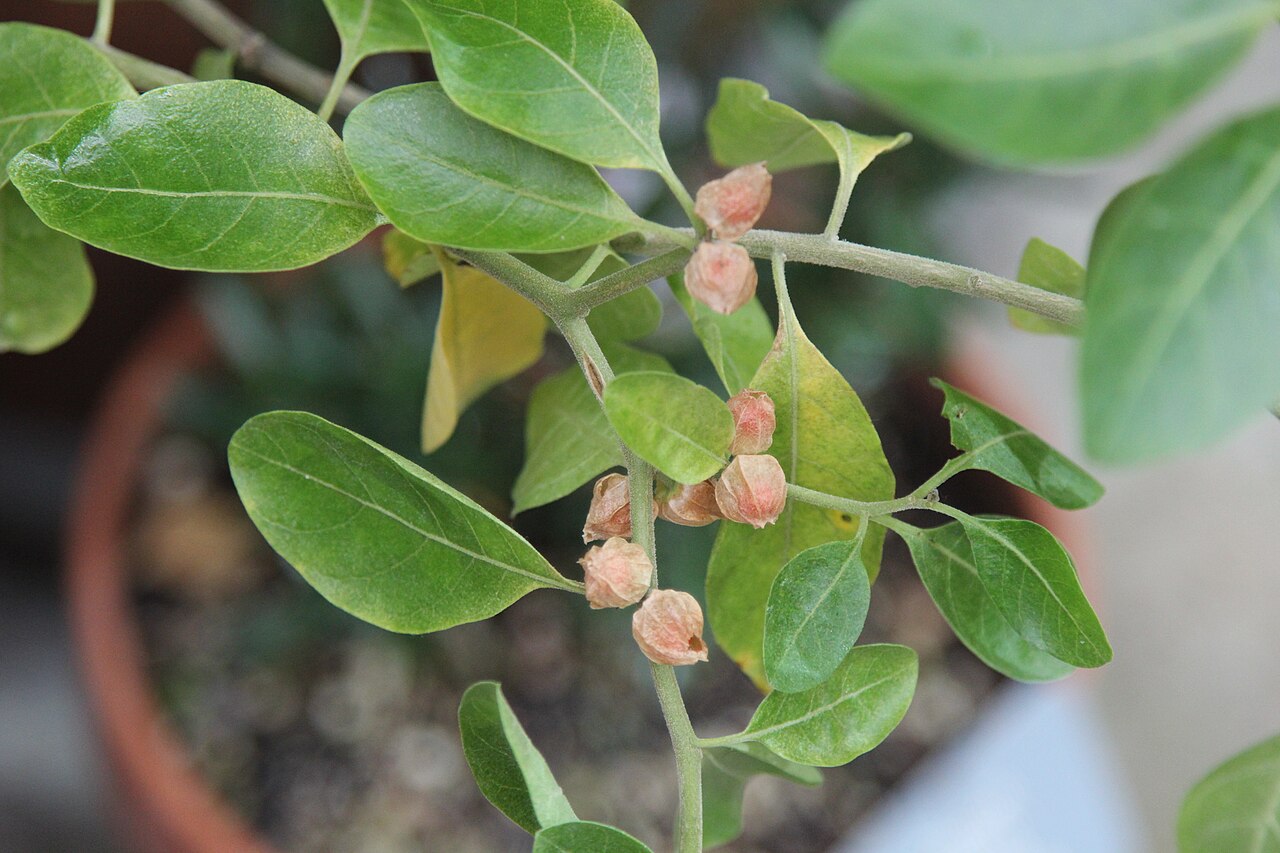
Why body composition is a better question than a scale promise
A change in body weight does not explain everything about a training program. Researchers can evaluate muscle strength, lean mass, fat mass, waist measurements, and other outcomes separately. A supplement trial that reports a body-composition result under a defined training protocol therefore deserves careful reading. It cannot automatically be summarized as evidence that the ingredient causes effortless weight loss in anyone who takes it.
That distinction matters for Myogentra because ashwagandha research is sometimes discussed alongside resistance exercise. The most informative comparison asks what participants did, which extract they received, how much they took, and how outcomes were measured. Someone who wants to preserve or build strength during a weight-management effort may find that research relevant. It still does not turn a multi-ingredient men's supplement into a replacement for an activity plan or demonstrate that the supplied capsule reduces body fat.
The posted formula at a glance
The company's Supplement Facts image lists a one-capsule serving and 30 servings per container. Separately quantified botanicals include fenugreek extract at 150 milligrams, long jack extract at 135.50 milligrams, and KSM-66 ashwagandha root at 75 milligrams. The minerals and vitamin are magnesium at 41.50 milligrams, zinc at 7.50 milligrams, and vitamin B6 at 2.50 milligrams. Knowing these quantities is useful when comparing the product with research or with supplements already on the shelf.
The label also includes a 325-milligram combined blend of additional ingredients, including arginine, tribulus, horny goat weed, tongkat ali, maca, saw palmetto, citrulline, Butea superba, muira puama, damiana, Xanthoparmelia, and rhodiola. Their individual contributions are not stated. That makes the formula broad in ingredient variety but limits exact dose comparisons for those components. A long list is not evidence that each constituent is supplied at an independently studied amount.
What the resistance-training study actually examined
Wankhede and colleagues conducted a randomized study of ashwagandha with a resistance-training program in men who had little previous training experience. The intervention used 300 milligrams of root extract twice daily for eight weeks. The researchers assessed outcomes including strength, muscle size, recovery-related measures, body composition, and testosterone. Several results favored the ashwagandha group compared with placebo under those conditions.
This trial gives a concrete reason to explore the ingredient in relation to training. It also sets important boundaries. Both the exercise program and the administered preparation were part of the study context. Myogentra's posted KSM-66 quantity is 75 milligrams per capsule, compared with 600 milligrams daily in that trial. Consequently, the study is ingredient background rather than evidence that Myogentra reproduces its body-composition findings. The most positive accurate conclusion is that the formula includes a recognizable botanical with a relevant human research history.

A training result does not establish weight-loss treatment
A person starting a structured lifting program may experience several changes at once: improved technique, greater strength, altered food choices, and better consistency. A research trial attempts to compare groups within that setting, but its findings still belong to its specific population and protocol. They should not be extended to claims about rapid weight reduction or effortless fat loss from a different product.
Myogentra's convenience can be valuable without making those claims. A customer who already wants its ingredient combination may appreciate reducing the number of separate supplement decisions in a day. That leaves the bigger body-composition plan focused on behaviors that can be scheduled and tracked directly. When assessing any claimed transformation, it is helpful to ask whether the actual finished formula was studied and whether weight, fat mass, or another measure was the primary outcome. No matching Myogentra weight-loss trial was located in the reviewed materials.
Fenugreek research has its own question
Fenugreek appears prominently in Myogentra's ingredient story. A randomized trial by Rao and colleagues investigated a particular fenugreek preparation, Testofen, at 600 milligrams daily over 12 weeks in men aged 43 to 70. Its focus included hormone and sexual-function outcomes. That is relevant to men's wellness positioning, but it is not a direct test of Myogentra or a demonstration that fenugreek makes weight management easier.
The posted Myogentra label supplies 150 milligrams of a standardized fenugreek extract. Differences in dose and preparation prevent a simple transfer of the trial's results. Fenugreek leaves and seeds can also be encountered as foods, but a measured extract is not equivalent to a serving of those foods or their fiber content. A buyer can welcome the ingredient's recognizable identity while keeping the intended purpose clear: the product offers a botanical supplement, not a demonstrated appetite-control strategy or a substitute for meals.
Minerals add detail without replacing food
The label's magnesium, zinc, and vitamin B6 quantities are useful because they allow comparison with the rest of a supplement routine. Magnesium is listed as oxide, zinc as oxide, and B6 as pyridoxine hydrochloride. These are specific product facts rather than broad wellness slogans. Someone taking a multivitamin or another men's formula can use them to identify overlapping amounts before adding another bottle.
Those nutrients do not make Myogentra a comprehensive nutritional program. A capsule cannot reproduce the protein, food volume, fiber, and variety of a balanced eating pattern. Nor should a nutrient's role in normal physiology be converted into a claim that extra intake necessarily improves body composition in a person who already has adequate status. For a purchaser, the practical advantage is knowing what the product adds and deciding whether those additions serve a clear purpose within the routine they are already building.
How to think about energy and motivation
The company's vitality positioning may resonate with men who want to feel more engaged in their activity routine. It is reasonable to value a supplement that is easy to remember, but feeling motivated is different from establishing that the product changed hormones or metabolism. A good day at the gym cannot identify the cause of that day's energy, just as a tired afternoon cannot diagnose a nutrient deficiency.
An ashwagandha trial in older, overweight men with mild fatigue helps illustrate the distinction. Lopresti and colleagues reported changes in certain hormone measurements without clear corresponding between-group advantages in the reported vitality and mood measures. The extract also differed from Myogentra's listed preparation and quantity. This is useful context for expectations: a laboratory finding is not automatically a noticeable lifestyle benefit, and neither result can be assumed for the capsule being reviewed. A clear personal goal makes the purchase easier to assess.
A manageable daily serving is a real feature
The one-capsule serving is appealing for anyone who dislikes managing powders or several botanical bottles. A 30-serving container is also straightforward to incorporate into a monthly purchasing budget. These features can matter during a busy workweek, when a complicated routine is less likely to be maintained. Product design does not need to be dramatic to offer something useful.
The supplied directions should guide use. Taking extra capsules to imitate a higher-dose ingredient trial would increase every other component and would not reproduce that study's formula. The better comparison is between the product as sold and the buyer's actual preferences. If the chief goal is a convenient men's botanical and mineral blend, Myogentra has a clear proposition. If the chief goal is a verified intervention for fat loss, the reviewed evidence does not establish that role for this product.
Features to confirm on the actual bottle
The current shop's vegan-friendly and no-dye language does not align with the posted Supplement Facts image, which lists gelatin and color additives. For buyers choosing supplements around a particular diet or ingredient preference, that is a material detail. Asking for the supplied bottle label before purchase is a direct way to resolve it, rather than assuming either description applies to every current order.
The same label check can confirm serving directions, ingredient spelling, and the complete list of excipients. Myogentra's blend includes many plants, so reviewing the actual formula is more useful than relying on a single headline ingredient. The NIH's ashwagandha information also identifies circumstances in which professional guidance matters, including certain thyroid, autoimmune, liver, and medication situations. A brief label review can help a buyer make an informed choice without turning the shopping process into a long list of generic cautions.
Understanding the price per month
The reviewed supply cards display $79.95 for one 30-day bottle, $139.95 for two bottles, and $179.95 for three bottles. Based on those cards, the larger offers bring the approximate price per bottle down to $69.98 and $59.98. That provides a useful way to compare the cost of a chosen routine with the cost of buying individual ingredients separately, while remembering that the formulations may differ.
There is also a separate $99.95 one-time-purchase display, so the selected checkout offer needs confirmation. The terms describe subscription arrangements when customers enroll. A sensible value comparison therefore uses the final quantity, purchase type, shipping treatment, and total shown for the specific order. A lower monthly figure is attractive only when the customer actually wants that quantity and understands whether any recurring commitment applies. More supply is a purchasing choice, not evidence of a stronger physiological effect.

The guarantee deserves a clear reading
The shop refers to a 30-day satisfaction guarantee, whereas the reviewed return policy and terms describe a 90-day period. Anyone comparing a one-month and a three-month supply should confirm which policy governs their actual purchase. The return process also involves contacting support, and the policy generally assigns return postage to the buyer unless the seller made an error. Shipping charges are not included in the refund described.
Those details are worth understanding before placing a larger order because they shape the financial decision. The policy describes a processing period after the return has been received and reviewed, rather than an immediate refund upon a customer's first message. A written answer about the applicable window and eligible bottles makes the guarantee more practical. It allows a customer to evaluate the offer on stated terms instead of treating a headline as a promise that every cost is recoverable in every situation.
Keep progress measures tied to the original goal
Someone evaluating a body-composition routine can make the process clearer by separating the supplement purchase from the measures used to assess the broader plan. Training attendance, exercise technique, meal planning, and a consistent method of recording progress are different activities from deciding whether a capsule is convenient. This separation avoids giving a new product credit or blame for every fluctuation in weight or workout performance.
It also protects the useful role Myogentra can actually offer. A person may decide that the combined capsule is easier to manage than several bottles even if there is no basis for claiming a measurable fat-loss contribution. That is a valid purchasing observation. The strongest assessment stays with the original question: whether the product's supplied ingredients, serving format, price, and personal suitability make sense. Claims about body-fat reduction require evidence of that outcome from the finished formula, which the reviewed materials did not establish.
A practical addition for a clearly defined routine
Myogentra has an understandable appeal for men who want a broad botanical and mineral formula in a small daily serving. It includes ingredients with relevant human research, and its supply choices make it possible to compare monthly costs. For a buyer already interested in this type of men's wellness supplement, those are tangible features that can support a positive consideration of the product.
Within a weight-management plan, the right expectation is narrower than a transformation promise. The ashwagandha training literature is interesting background, but it does not prove fat loss from Myogentra's 75-milligram serving or from the complete capsule. Confirming the current label and checkout terms lets the customer appreciate the convenience without mistaking it for a demonstrated weight-loss intervention. The result is a more deliberate purchase: a supplement chosen for its actual format and formula, alongside the eating and activity habits that remain central to the broader goal.
Sources & further reading
- Myogentra official product page ↗
- Myogentra official Supplement Facts image ↗
- Wankhede et al.: Ashwagandha strength and recovery trial ↗
- Rao et al.: Testofen randomized trial ↗
- Lopresti et al.: Ashwagandha hormonal and vitality trial ↗
- NCCIH: Ashwagandha ↗
- Baseline-Men terms and conditions ↗
- Baseline-Men return policy ↗
This article provides educational information. Ask a qualified clinician or pharmacist about your symptoms, medical conditions, medicines and supplement interactions.