Nutricost Tongkat Ali 200:1 Extract Review: Daily Cost & Value
Nutricost Tongkat Ali 200:1 Extract review: daily serving, bottle duration and practical value. Check the formula, research limits and purchase considerations.
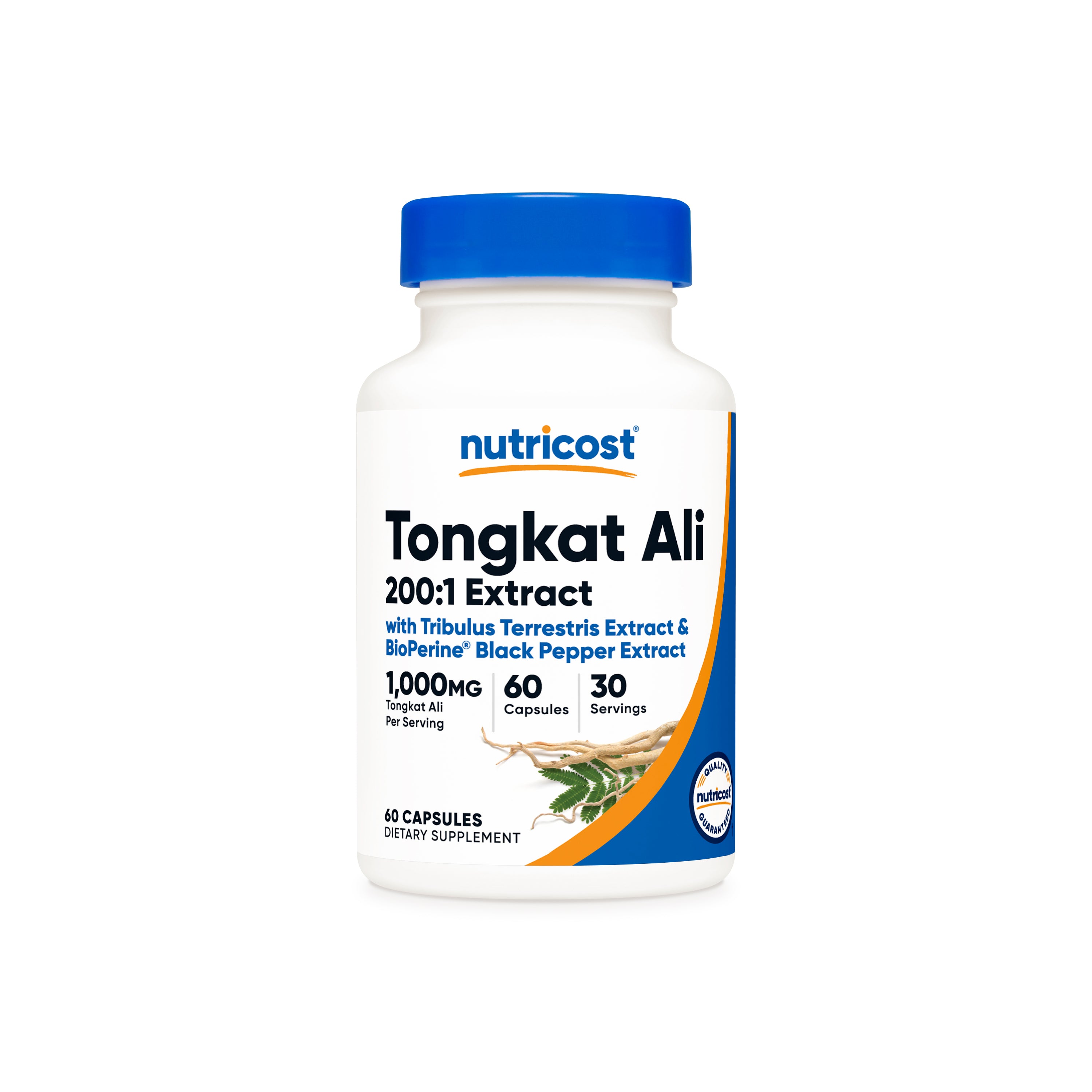
Nutricost Tongkat Ali looks like a straightforward, concentrated botanical supplement. The current bottle photo makes its pitch unusually clear: a 200:1 extract, a daily amount of 1,000 mg, and a supporting combination of tribulus and black pepper extract. That gives a shopper much more to inspect than a product that hides everything inside one unnamed proprietary blend. The useful question is whether those numbers describe the same material that produced results in human research. A large.
Published-label and research assessment. We checked current catalog information, available Supplement Facts images and linked scientific sources. No personal use, independent laboratory testing or head-to-head trial is claimed. Two promotional recommendations concern products or services sold by the owner of this publication.
Is Nutricost Tongkat Ali 200:1 Extract the right fit for your goal?
Nutricost Tongkat Ali 200:1 Extract is worth evaluating for its actual formula and current label, rather than its reputation alone. This review looks at daily value and realistic goals: what is documented, where the evidence is limited, and which practical questions matter before a purchase. The aim is a useful decision, not a score assembled from promotional claims.
We also identify Max T as a category-matched option from our own range in two clearly marked recommendation sections. That commercial relationship does not change the evidence standard applied to Nutricost Tongkat Ali 200:1 Extract. Genuine strengths are acknowledged, unresolved details stay unresolved, and no hands-on testing or clinical superiority is invented.
The detail that matters before the big milligram number
Nutricost Tongkat Ali looks like a straightforward, concentrated botanical supplement. The current bottle photo makes its pitch unusually clear: a 200:1 extract, a daily amount of 1,000 mg, and a supporting combination of tribulus and black pepper extract. That gives a shopper much more to inspect than a product that hides everything inside one unnamed proprietary blend. The useful question is whether those numbers describe the same material that produced results in human research. A large extraction ratio cannot answer that question on its own.
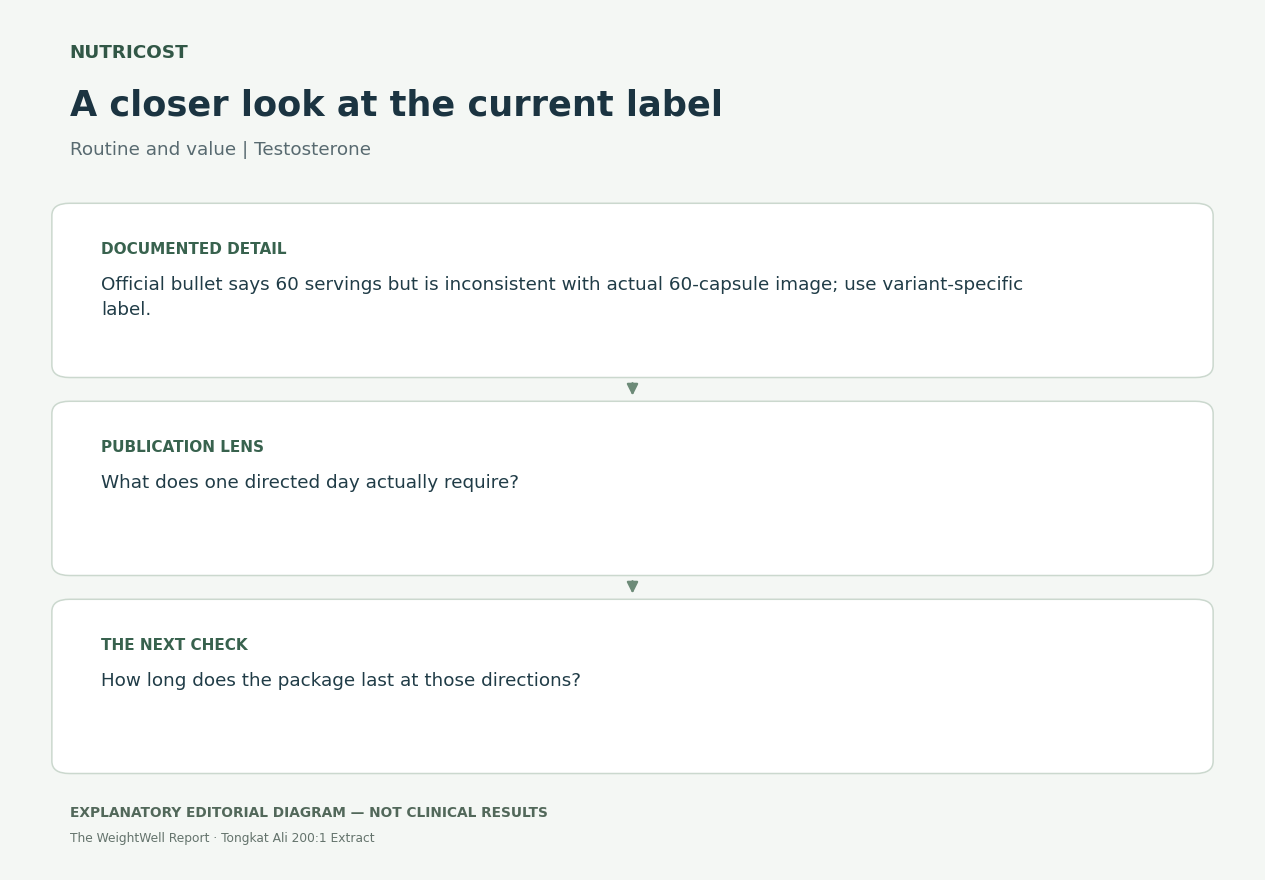
The photographed 60-capsule product lists 30 servings and is the specific variant considered here. The official page also offers a 120-capsule option, and one marketing bullet describes 60 servings without clearly tying that statement to the larger size. That difference is easy to miss. The serving panel and the variant in the cart should agree before anyone calculates a daily cost or assumes a bottle covers two months.
What the current formula actually contains
Two capsules supply 1,000 mg of tongkat ali root extract, 20 mg of tribulus extract, and 5 mg of BioPerine black pepper extract. The tongkat botanical is Eurycoma longifolia, and its stated extraction ratio is 200:1. The tribulus ingredient is standardized to 45% saponins. BioPerine is identified as black pepper extract with at least 95% piperine. Those are meaningful label details because they separate the ingredients and make the serving auditable.
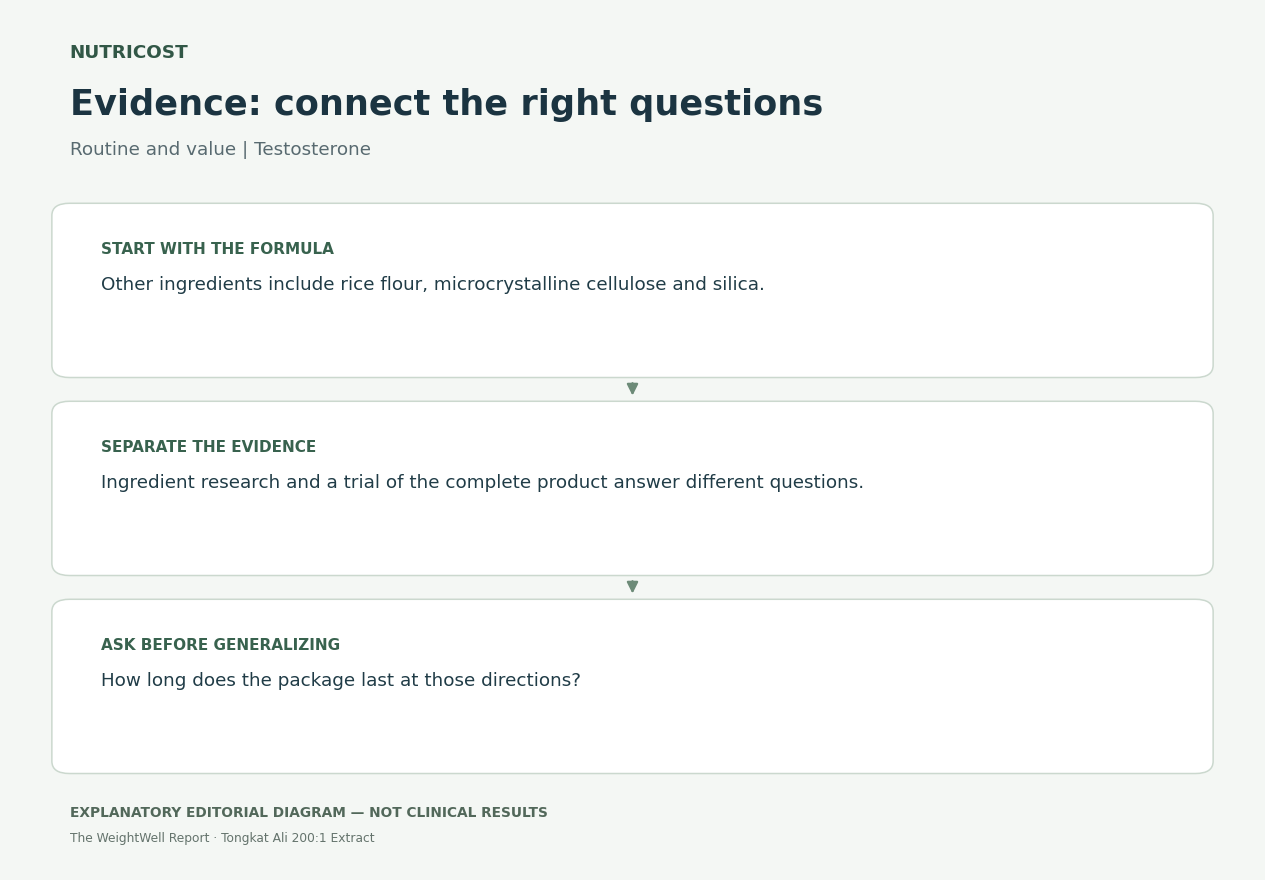
The supporting ingredients are smaller additions rather than equal partners in the milligram total. It would be misleading to describe this as three independently proven testosterone treatments, or to imply that tribulus becomes effective simply because it accompanies tongkat ali. The capsule is made from hypromellose, with rice flour, microcrystalline cellulose, and silica also listed. These inactive ingredients explain the dosage form; they are not evidence that the product is unusually potent or unusually weak.
Why 200:1 is not a clinical result
An extraction ratio describes a manufacturing relationship between starting material and resulting extract. It does not directly report how much eurycomanone or every other constituent is present. Two extracts can share a ratio while differing in plant sourcing, extraction solvent, chemical profile, and quality control. The photographed Nutricost label does not disclose an eurycomanone percentage, so it cannot be compared to a marker-standardized competitor by treating the headline ratio as the missing assay result.
That does not establish that Nutricost contains ineffective material. It establishes a narrower information gap: the consumer cannot connect this exact preparation to a particular clinical extract using the panel alone. A useful review keeps that distinction intact. The right follow-up would be a current batch report and enough extract identification to compare it with the research. The wrong shortcut would be multiplying 1,000 by 200 and presenting the resulting root-equivalent number as a demonstrated clinical advantage.
What the testosterone studies can and cannot support
A systematic review and meta-analysis has reported a possible role for Eurycoma longifolia supplementation in raising total testosterone in some male populations. That is more substantive than a purely laboratory theory, but the studies used different preparations, doses, durations, and participant groups. A man with low baseline testosterone, an older participant, and a healthy young exerciser are not interchangeable research subjects. An average study result is not a promise about how a different finished bottle will affect an individual.
The evidence also needs an outcome check. A change in a testosterone measurement does not automatically establish improvements in desire, erections, energy, muscle size, fertility, or long-term health. This research did not identify a controlled trial of the finished Nutricost tongkat, tribulus, and BioPerine formula. Ingredient research therefore provides context for a review, while the exact product’s effectiveness remains unproven. Both a confident endorsement and a blanket dismissal would go further than those facts allow.
Keep body-composition goals separate from the sales pitch
A product can be relevant to men’s wellness without being a demonstrated weight-loss treatment. That distinction matters when advertising connects vitality, circulation or hormone support with a leaner appearance. For Nutricost Tongkat Ali 200:1 Extract, the useful question is what its actual formulation and product-specific evidence support. Do not add an assumption about fat loss simply because the product is marketed to active men or appears next to exercise advice. Evidence for one goal cannot be borrowed to establish another.
Changes in energy, appetite, training and body weight also have multiple possible explanations. A review can help you understand a label, but it cannot diagnose the reason for a personal change. If you are taking prescribed weight-management treatment or managing a metabolic condition, include supplements in your medication discussion. A product sold without a prescription can still add ingredients, allergens or interactions that matter in the context of an existing treatment plan.
What a testosterone-support comparison should establish
A useful testosterone-support review distinguishes normal nutritional support from treatment of a hormonal disorder. A formula may combine minerals, vitamins and botanicals with different kinds of evidence. Some research concerns people with low baseline levels or a particular deficiency; other studies examine selected extracts in small groups. Neither situation justifies promising the same result to everyone. Ingredient research is relevant context, but the complete product, preparation, dose and study population still matter.
More ingredients also mean more comparison work. Check what is individually disclosed, what sits inside a blend and what overlaps with other products. Extract ratios and herb-equivalent numbers need careful reading. A plant name shared between two formulas does not establish matching exposure, and a larger headline quantity does not settle efficacy. If two sources disagree about the current formula, the disagreement should remain visible until the manufacturer resolves it.
For a reader deciding whether to buy, the reasonable conclusion is specific rather than universal. Evaluate the product’s documented strengths, unresolved questions and fit with a realistic routine. If symptoms suggest a possible hormonal issue, discuss appropriate evaluation instead of treating a supplement as a substitute for diagnosis. Our category-matched recommendation offers another label and purchase option to assess; it does not establish that an owned formula raises testosterone more effectively or treats clinically low testosterone.
The practical appeal is transparency and format
The strongest case for considering Nutricost is a practical one. It discloses three active amounts, offers a familiar capsule format, and identifies vegetarian suitability. A user who wants to avoid a very long multi-herb blend can see which ingredients would be entering an existing routine. That transparency makes it easier to notice duplication with a separate tribulus, tongkat, or black pepper product instead of accidentally stacking overlapping formulas.
The manufacturer also describes non-GMO and gluten-free attributes and says the product is made in a facility with specified manufacturing credentials. Those are separate from proof of benefit. FDA registration of a facility is not FDA approval of a supplement, and a facility certification does not itself show that the finished formula has been clinically tested. Useful manufacturing information can coexist with a need for product-specific, preferably lot-specific quality documentation. Dietary preferences, capsule count, and verified batch information are more concrete shopping criteria than a dramatic vitality slogan.
Safety belongs in the comparison
Tongkat ali is an active botanical, and its safety record is not fully settled for every preparation or long duration of use. The NIH LiverTox overview and the EFSA assessment illustrate why preparation details matter: safety observations from one extract cannot simply be copied onto every other extract. The EFSA opinion concerned a specified novel-food material; it is not evidence that this Nutricost bottle has been tested and found to cause the same effects. It is equally inappropriate to claim the entire category has no meaningful safety questions.
BioPerine adds another reason to review medications rather than assuming all supplement combinations are harmless. Piperine is used partly because it can influence absorption and metabolism, so the presence of a small dose should not be waved away when someone takes prescription drugs. Someone managing a medical condition should take the actual panel to a clinician or pharmacist. That practical step avoids turning an ingredient list into either an alarmist diagnosis or a universal safety clearance.
How to compare value without being distracted
For the photographed variant, value starts with 30 daily servings, not the 60 capsules printed on the bottle. Compare the final purchase cost with that serving count, then consider the actual composition and the information available about the extract. A cheaper cost per gram is not necessarily better value when grams refer to chemically different preparations. Likewise, paying more for a marker percentage is not automatically justified unless the additional information fits the buyer’s priorities and is supported by credible testing.
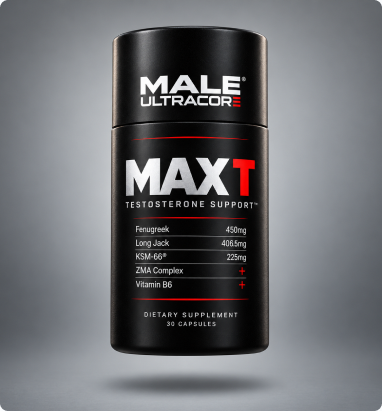
People exploring this category may also compare a standalone botanical with a broader testosterone-support product such as Max T. That is a category comparison rather than evidence that one product outperforms the other. The useful questions remain the same for either: which ingredients and doses are disclosed, what research actually applies, what the daily routine requires, and what purchase terms apply. Switching brands does not remove the need to investigate persistent symptoms or make the result medically predictable.
Who this product may suit—and the unresolved question
Nutricost may appeal to an adult shopper who specifically wants tongkat ali, prefers vegetarian capsules, and values separate amounts over a concealed multi-ingredient blend. It is less compelling for someone who requires a fully characterized clinical extract, wants a product with its own randomized trial, or expects an over-the-counter alternative to testosterone therapy. Those are different buying goals, and one supplement cannot be assumed to satisfy all of them because its serving amount is large.
The balanced verdict is that the label gives a useful amount of practical information, while its clinical translation remains uncertain. The serving-count discrepancy deserves attention, and the lack of an eurycomanone specification leaves a meaningful comparison gap. Low libido, fatigue, or erectile changes are not a diagnosis of testosterone deficiency. The Endocrine Society recommends symptom assessment alongside consistently low, properly measured testosterone values when diagnosing hypogonadism. That clinical distinction provides a much firmer starting point than choosing whichever capsule advertises the highest concentration.
Judge value over the routine you will actually follow
The cost of a bottle is only part of the budget. Work out the number of labeled daily servings, compare purchase options on the same time basis, and check whether the attractive price depends on buying several bottles or starting a subscription. There is little practical value in ordering a long supply before understanding the formula or deciding whether the serving format suits you. Refund terms also deserve a careful read; a guarantee is a commercial policy, not a clinical outcome.
For a wellness product, a realistic plan should leave room for ordinary priorities such as food quality, activity, sleep and prescribed care. That does not mean a supplement has no place. It means the purchase should have a defined role rather than absorb money intended for more important parts of the routine. Use the category-matched recommendation here as another option to compare, with the same scrutiny you would apply to the competitor’s label and terms.
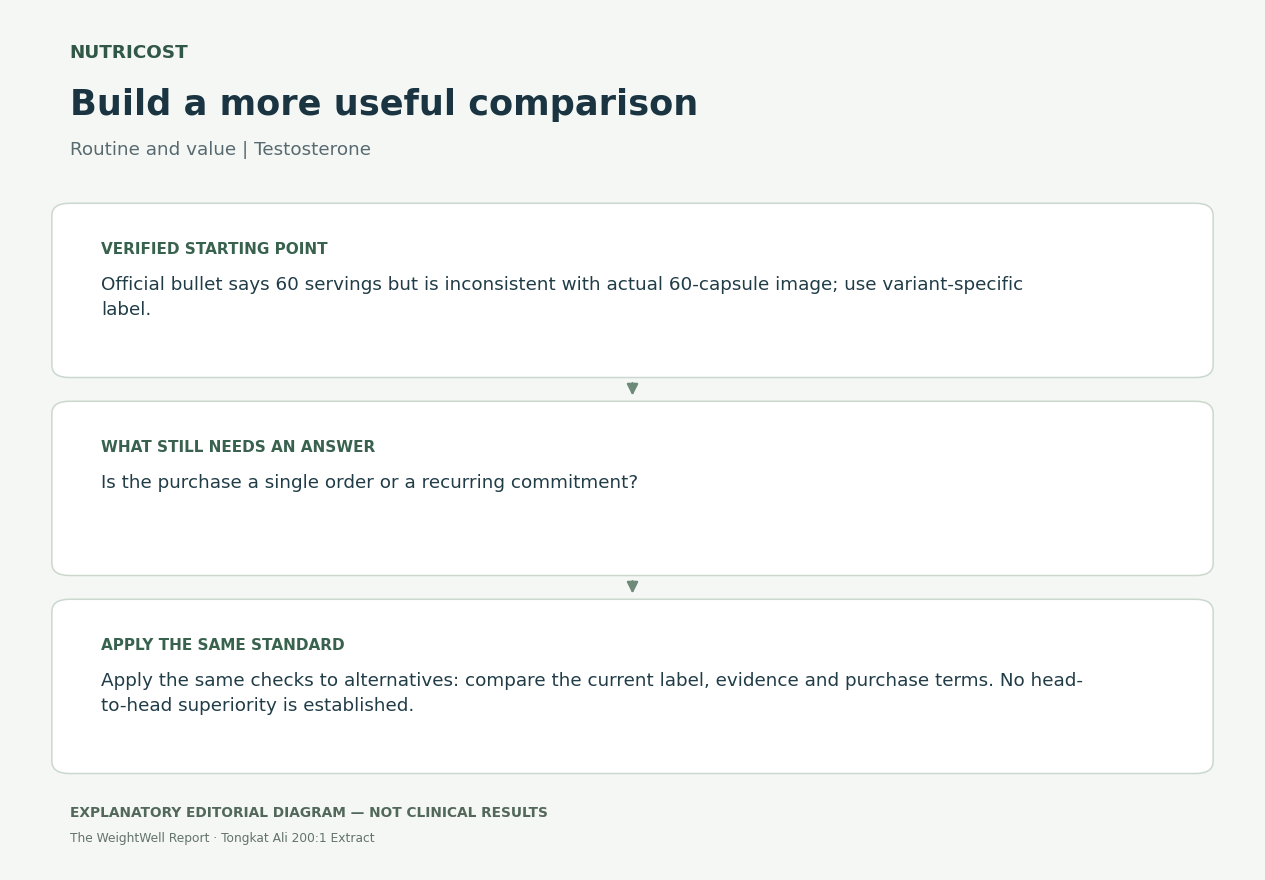
How to compare Nutricost Tongkat Ali 200:1 Extract with Max T
Start with the actual goal rather than a presumed winner. Nutricost Tongkat Ali 200:1 Extract and Max T deserve a comparison of their present product or service details, the kind of evidence available and the practical routine involved. Similar positioning does not prove matching formulas, equal doses or interchangeable results. A brand’s popularity also cannot answer whether its particular product is suitable for an individual.
Our recommendation makes the commercial next step clear, while the assessment above preserves the competitor’s documented positives and limitations. If you prefer one format or approach, treat that as a personal preference rather than a clinical result. Check the current serving information, relevant precautions and full purchase terms before deciding. Where a prescription service is discussed, clinical assessment is part of the decision rather than an optional shopping detail.
The verdict: choose for fit, evidence and a realistic routine
The strongest reason to consider Nutricost Tongkat Ali 200:1 Extract is the combination of documented features described in this review and a goal that actually matches its category. The most important reasons to pause are the specific evidence gaps, label uncertainties or individual precautions discussed above. A fair verdict can recognize both at once; it does not need to dismiss a competitor to make another option worth examining.
For a category-matched next step, the recommendation below highlights Max T from our range. Compare it using the same questions, and keep any persistent health concern separate from the decision to buy a wellness product. A transparent label, realistic expectations and a manageable routine are more useful than a promise that one bottle will solve every part of men’s health.
Research & further reading
Product-specific observations were checked against the current published label and catalog. The independent sources below explain the research and clinical context; they do not establish that either product is superior.
Continue reading
Our Max T review · More on testosterone · All product reviews