Psyllium for Weight Loss: What the Trials Actually Tested
A measured guide to psyllium, appetite, body weight, dosing context, side effects, and the limits of small randomized trials.
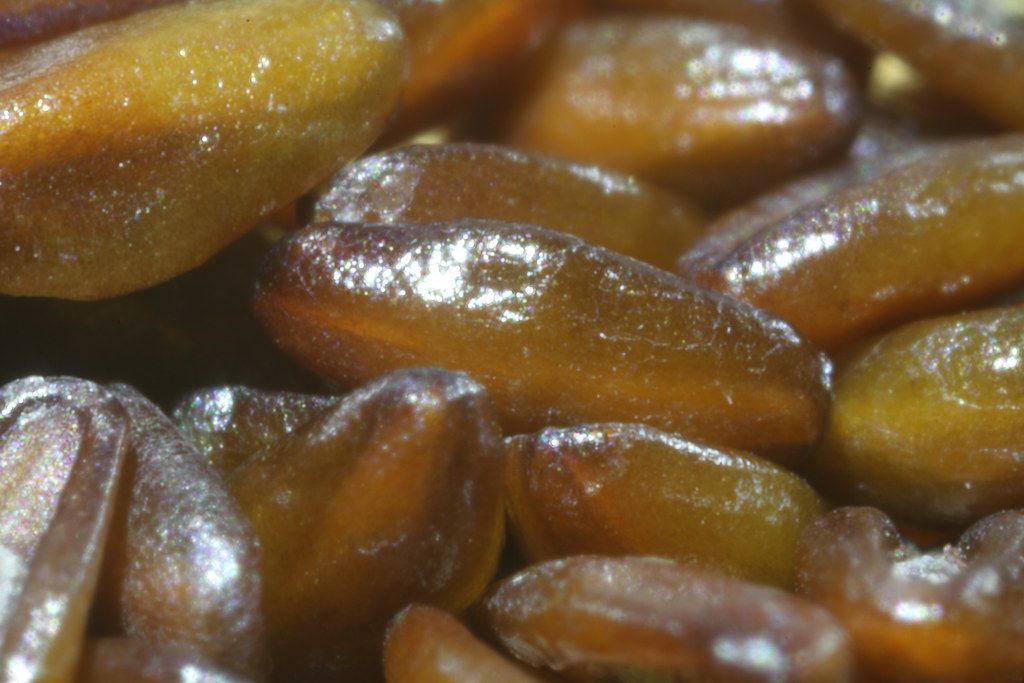
Psyllium may support fullness and modest weight changes in some settings, but trials vary and it is not a stand-alone weight-loss treatment.
Why psyllium enters the weight-loss conversation
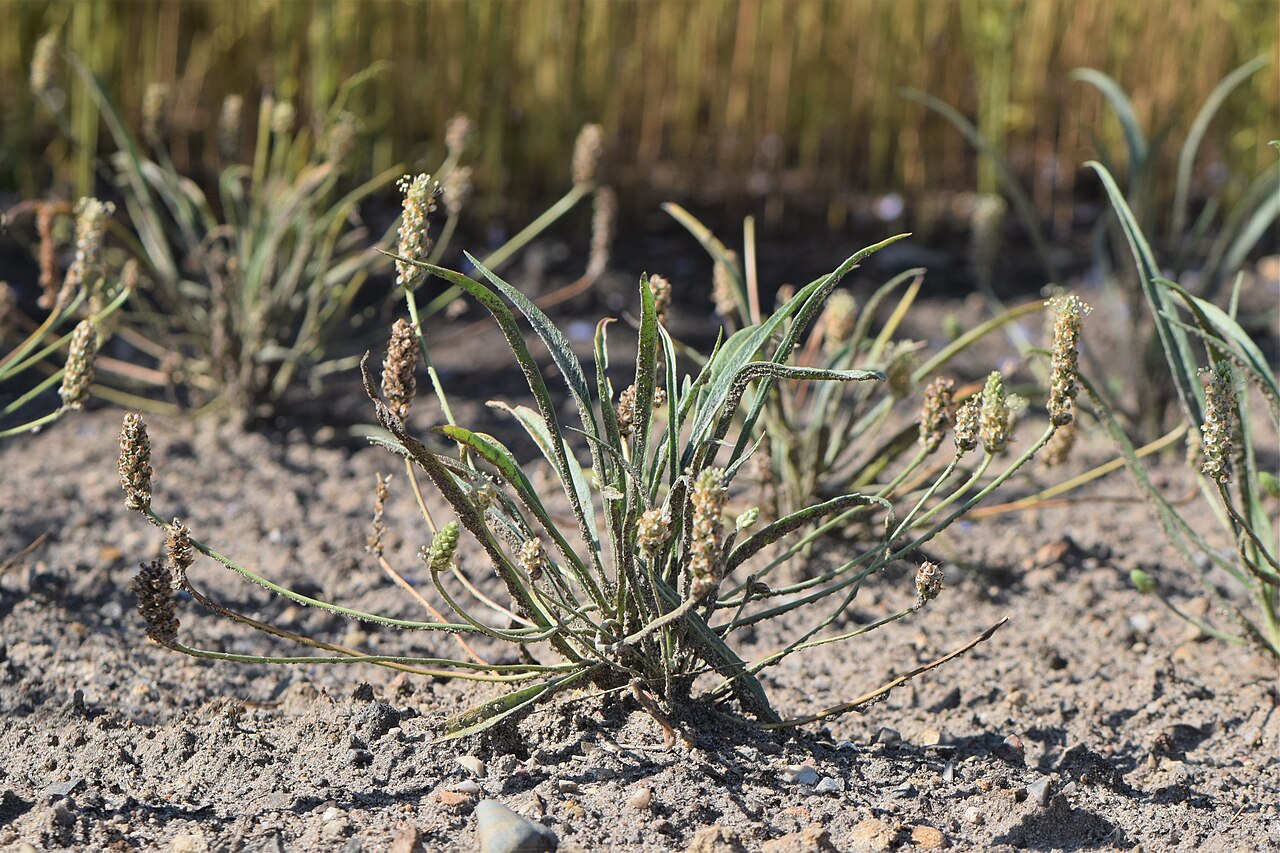
Psyllium is a soluble, gel-forming fiber made from Plantago ovata seed husks. Mixed with liquid, it thickens and can slow gastric emptying, change stool consistency, and increase the volume of material moving through the gut. Those properties make fullness a plausible mechanism, but a plausible mechanism is not the same as a proven, clinically meaningful weight-loss effect. Product labels also differ in grams per serving, flavoring, sweeteners, and instructions, so the word psyllium alone does not describe an intervention.
People often add psyllium without changing anything else, yet trials may provide structured timing, water intake, dietary advice, or repeated follow-up. That context matters. If a fiber drink displaces a snack or makes an energy-reduced eating plan easier to follow, the result cannot automatically be attributed to a special fat-burning action. The practical question is whether a specific amount, taken consistently and safely, improves an outcome that matters.
What randomized trials found
A 52-week randomized study of 159 adults compared a proprietary polysaccharide complex, a proprietary psyllium product, and rice-flour control. Participants were instructed to take 5 grams before meals with substantial water. The psyllium group showed lower weight than control at some interim points, while the pattern at 12 months was less straightforward. The study is useful because it was long, but proprietary formulations and attrition limit how confidently its numbers can be transferred to every store-brand husk powder.
A separate 12-week randomized trial in people with type 2 diabetes and chronic constipation reported a roughly 2-kilogram between-group difference in weight change along with improvements in constipation and several metabolic measures. That population had two specific health conditions, so the result should not be generalized to every adult seeking weight loss. Small studies can also produce larger-looking estimates than later, broader research. Replication in diverse populations matters.
Dose, timing, and hydration are part of the intervention
Trials do not test a vague instruction to take more fiber. They test defined products, amounts, schedules, and comparators. Psyllium can swell rapidly, so it should be taken with the amount of fluid stated on the label. Starting with a lower amount and increasing gradually may reduce gas, cramping, and abrupt stool changes. A dose that is tolerated for months is more useful than an aggressive dose abandoned after three days.
Because fiber can affect the absorption or timing of some medicines, people taking prescriptions should ask a pharmacist how far apart to separate them. Anyone with swallowing difficulty, intestinal narrowing, severe abdominal pain, or an unexplained change in bowel habits should seek medical advice before experimenting. Psyllium is also not a substitute for evaluation of persistent constipation, bleeding, or unintended weight loss.
How to judge a psyllium claim
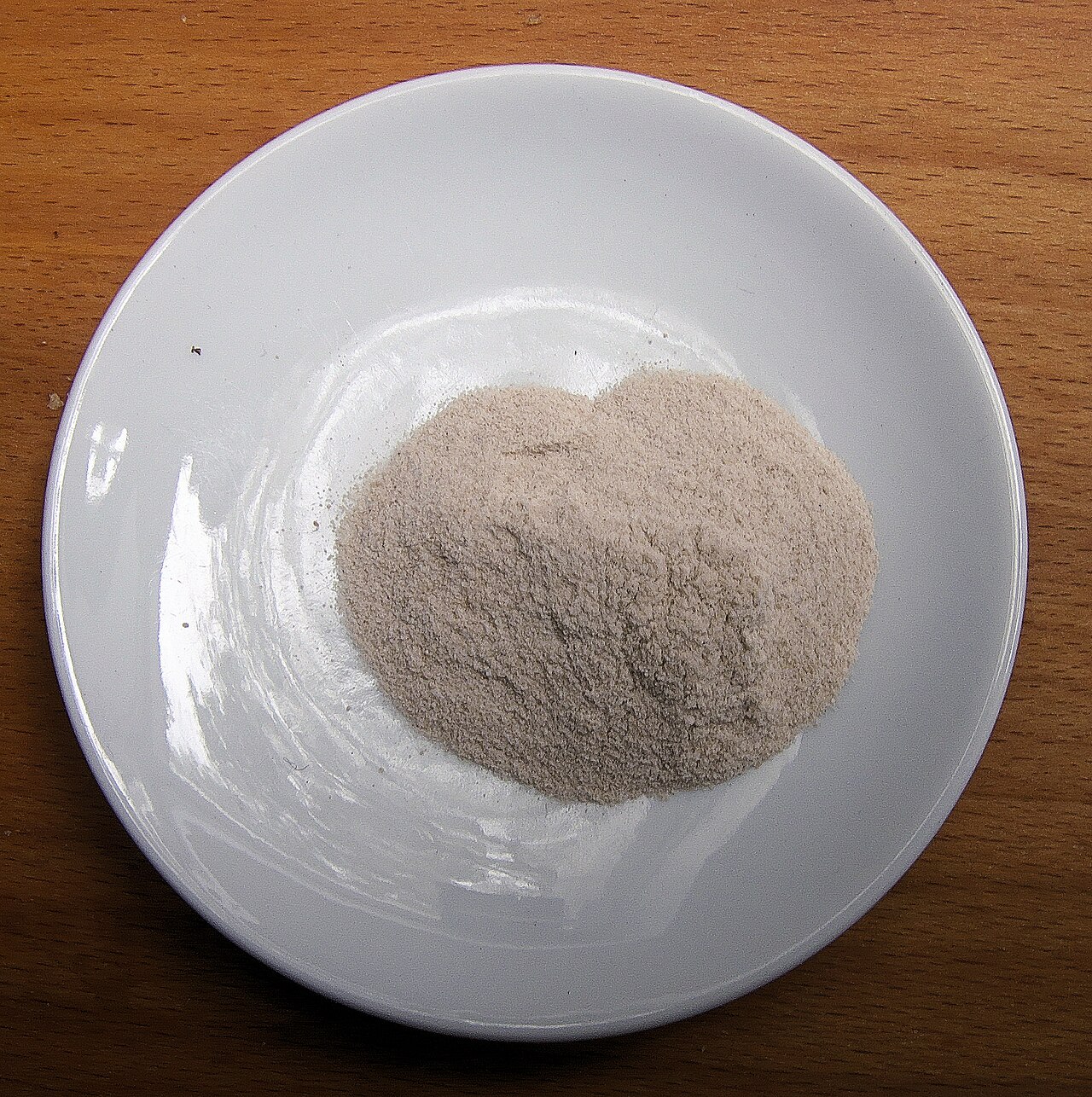
Look for the actual grams of psyllium husk per serving rather than the total scoop weight. Check whether a study used the same form and a comparable daily amount. Then inspect the outcome: body weight, waist circumference, hunger ratings, and bowel regularity answer different questions. A statistically significant change may still be too small to notice or to justify cost and inconvenience.
Also ask what happened in the control group and whether both groups received nutrition counseling. If both groups lost weight, the relevant effect is the difference between groups, not the before-and-after number shown in an advertisement. Trials funded by a product manufacturer are not automatically invalid, but funding, proprietary ingredients, dropout rates, and preregistered outcomes deserve attention.
A practical bottom line
Psyllium can be a reasonable way to increase soluble fiber for someone who tolerates it, especially when bowel regularity is also a goal. It may help some people feel fuller, and limited trials suggest modest weight effects in certain settings. The evidence does not support presenting it as a predictable stand-alone weight-loss treatment or as an alternative to approved obesity care.
Treat any benefit as one small part of a plan built around a sustainable eating pattern, adequate protein and produce, movement, sleep, and follow-up. Track tolerance and a meaningful outcome for several weeks. If there is no benefit, increasing the dose indefinitely is not evidence-based. For substantial or medically complicated weight concerns, discuss proven behavioral and medical options with a qualified clinician.
Sources & further reading
- Effect on body weight and composition in overweight/obese Australian adults over 12 months consumption of two different types of fibre supplementation in a randomized trial ↗
- Effects of psyllium vs. placebo on constipation, weight, glycemia, and lipids: A randomized trial ↗
- Effects of isolated soluble fiber supplementation: systematic review and meta-analysis ↗
This article provides educational information. Ask a qualified clinician or pharmacist about your symptoms, medical conditions, medicines and supplement interactions.