Ultra-Processed Foods and Weight Gain: What the NIH Feeding Trial Shows
A practical guide to the NIH ultra-processed-food trial, why people ate more, what the study cannot prove, and realistic ways to use the findings.
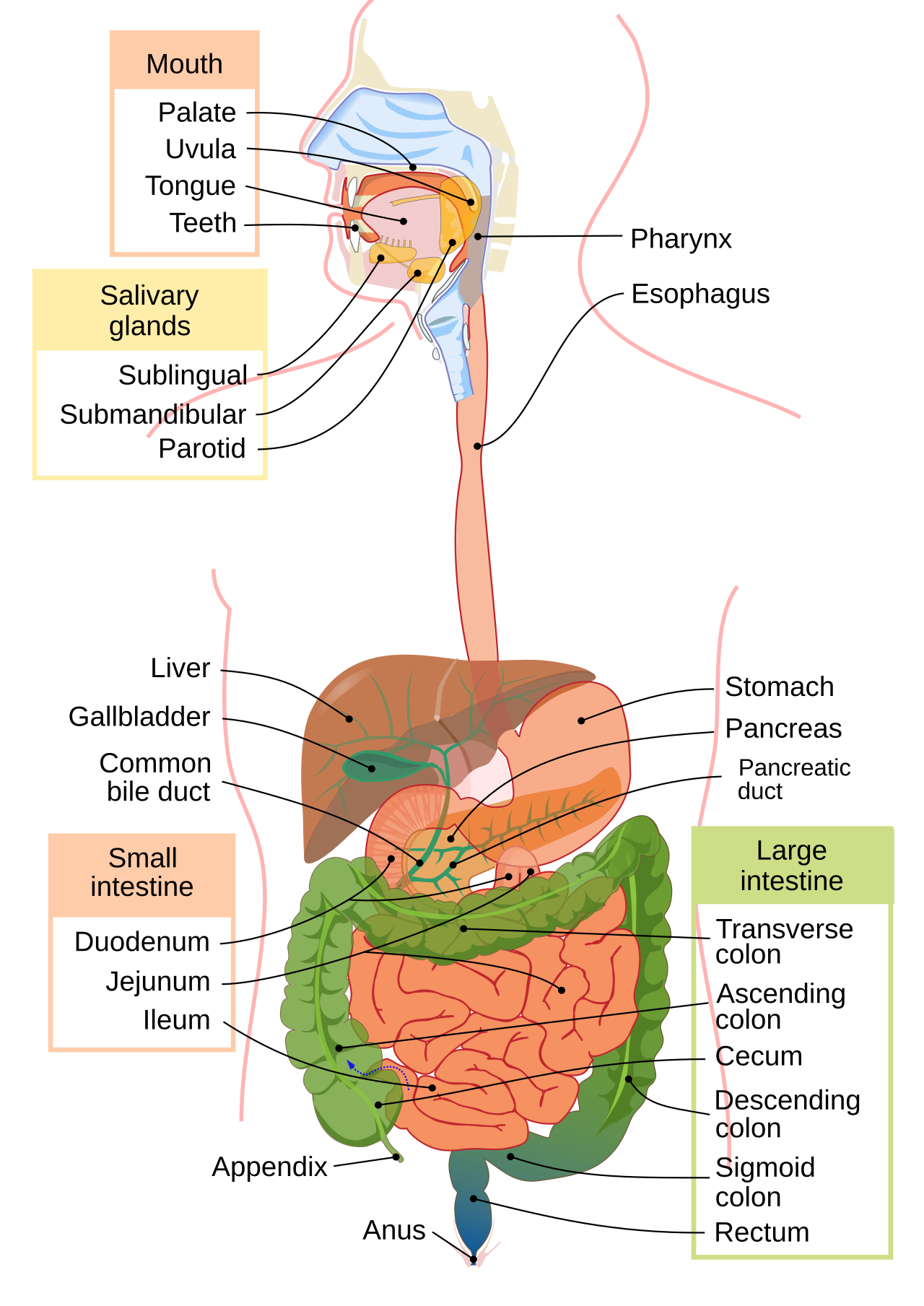
A tightly controlled NIH trial found that people ate more and gained weight on an ultra-processed menu, but the useful response is better meal structure—not panic over every packaged food.
A striking result from a rare kind of study
Food labels can make weight management feel like a chemistry exam. The clearest evidence in this area comes from a simpler question: when people can eat as much as they want, does the degree of processing change how much they consume? An NIH inpatient trial was designed to test exactly that.
Twenty adults lived at the NIH Clinical Center and received an ultra-processed diet for two weeks and an unprocessed diet for two weeks in random order. The menus were matched for calories presented, macronutrients, sugar, sodium and fiber. Participants could eat freely. On the ultra-processed diet they consumed about 500 more calories per day on average and gained about 0.9 kilograms; on the unprocessed diet they lost a similar amount. The controlled setting makes this a powerful short-term experiment, not a forecast for every household.
Why the ultra-processed menu was easier to overeat
The study did not identify one guilty additive. Participants ate the ultra-processed meals faster, and eating rate can let more energy arrive before fullness signals catch up. Texture, energy density and the ease of chewing may all contribute. Protein intake stayed similar while carbohydrate and fat intake rose, which fits the idea that people often regulate protein more tightly than total calories.
Processing is also a broad category. It includes foods with very different nutrition profiles, from sweet drinks and packaged desserts to fortified breads and convenient entrées. The trial compared whole menu patterns, not isolated products. It therefore supports paying attention to the overall share and structure of ultra-processed foods, but it cannot prove that every food in the category causes weight gain.
A second feeding study adds an important twist
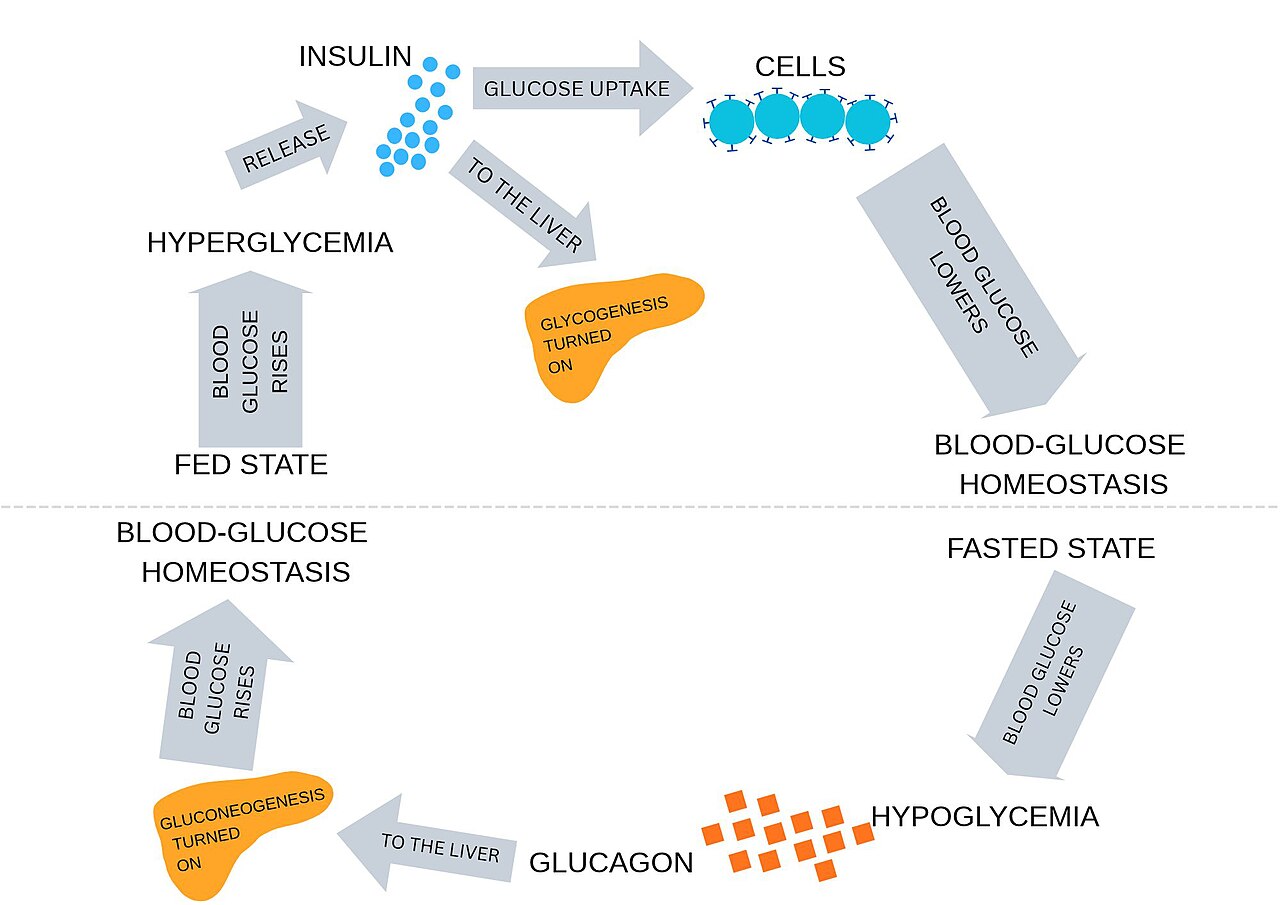
Another NIH inpatient crossover trial compared a minimally processed plant-based low-fat diet with a minimally processed animal-based ketogenic diet. Participants ate fewer calories on the low-fat plant-based phase, yet both approaches produced weight loss over two weeks. The result challenges the idea that carbohydrate or insulin alone determines spontaneous calorie intake.
Together, the trials suggest that food form, menu composition and eating behavior interact. They do not crown one universal diet. A person may find a lower-carbohydrate approach satisfying, while another may prefer higher-fiber plant foods. The practical target is a pattern that makes an appropriate energy intake easier without leaving nutrition or enjoyment behind.
Use the finding without rebuilding your kitchen overnight
Start with the foods that deliver calories quickly and do little for fullness. Sweetened drinks, large portions of snack foods and frequent desserts are often easier targets than every packaged item. Add structure before relying on willpower: include a recognizable protein source, a high-fiber plant food and a portion you can see rather than eating from a large container.
Convenience still matters. Frozen vegetables, canned beans, plain yogurt and whole-grain bread are processed, yet they can support a nutritious plan. The goal is not a purity score. It is to make slower, more filling choices the default often enough that the daily pattern changes. If a convenient entrée helps prevent an unplanned takeout meal, its role may be useful.
A better experiment for the next two weeks
Choose one repeatable change and watch what happens to hunger, not just the scale. Replace one liquid-calorie habit, plate a snack instead of grazing from the package, or build one minimally processed meal each day. Keep the rest of the routine steady enough to learn from the change.
Weight can move with water, sodium and bowel contents, so use a weekly trend. If hunger becomes relentless or the plan demands constant food rules, adjust it. The NIH trial’s practical message is hopeful: the environment around eating can change intake even when nobody is ordered to count every calorie. Design that environment to make the satisfying choice easier.
Read labels for the job they can do
An ingredient list can help identify added sweeteners, refined starches and many flavoring or texture agents, but it cannot calculate how filling the food will be for you. Use the Nutrition Facts panel to compare calories, protein, fiber, sodium and serving size within a food category. Compare breakfast cereals with cereals and entrées with entrées rather than applying one cutoff to everything.
A useful shopping cart can include both basic ingredients and strategic convenience. Decide which packaged foods solve a real problem and which are easy to eat past comfort. That distinction turns the evidence into a workable household pattern instead of a moral judgment about processing.