Water Before Meals for Weight Loss: A Small Habit With Limits
Drinking water before meals produced modest short-term effects in small trials. Here is who was studied, how to try it safely, and what not to expect.
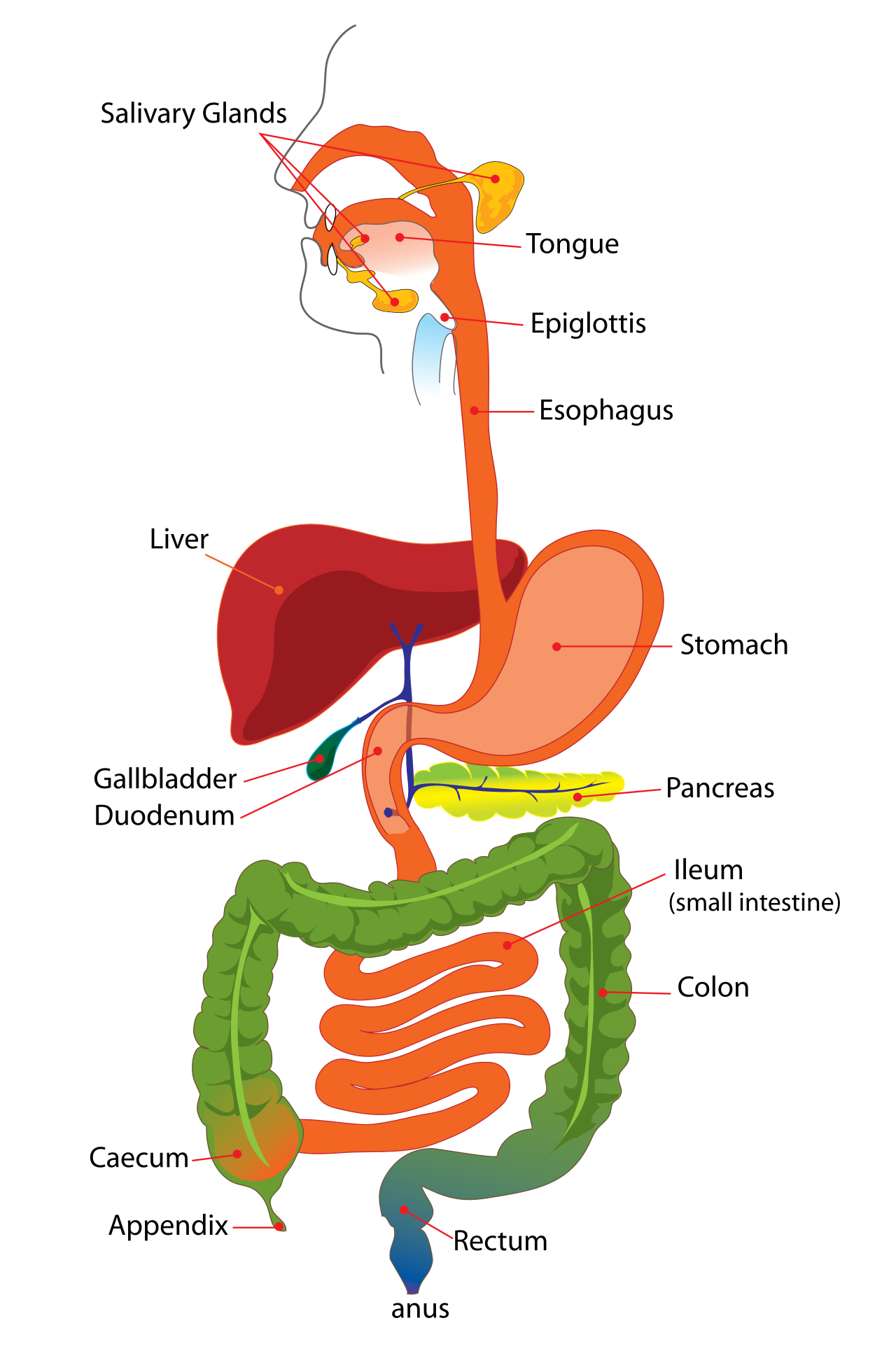
A 500-milliliter water preload may modestly reduce meal intake for some adults, especially older adults, but it is a small behavioral aid rather than a fat-burning treatment.
A simple habit earned a controlled test
Drinking water before eating is inexpensive, familiar and easy to measure. That makes it appealing—but it also attracts exaggerated claims about flushing fat or speeding metabolism. The better question is narrower: can water volume before a meal increase fullness enough to change intake?
In a 12-week randomized trial, adults ages 55 to 75 with overweight or obesity followed a calorie-reduced diet. One group also drank 500 milliliters of water about 30 minutes before each main meal. The water group lost about two kilograms more than the diet-only group. The result was useful, but it came from a small, older sample and included an active diet program.
A primary-care trial found a smaller effect
A later randomized trial recruited 84 adults with obesity from primary-care practices. Participants received basic weight-management support and were assigned either to drink 500 milliliters of water before main meals or to an attention-control instruction. At 12 weeks, the unadjusted difference favored water by 1.3 kilograms.
After adjustment for several baseline factors, the estimate was similar but the confidence interval crossed no difference. That makes the finding preliminary rather than definitive. Adherence was also a real-world challenge. A habit only works when it can be repeated.
Fullness is the plausible mechanism
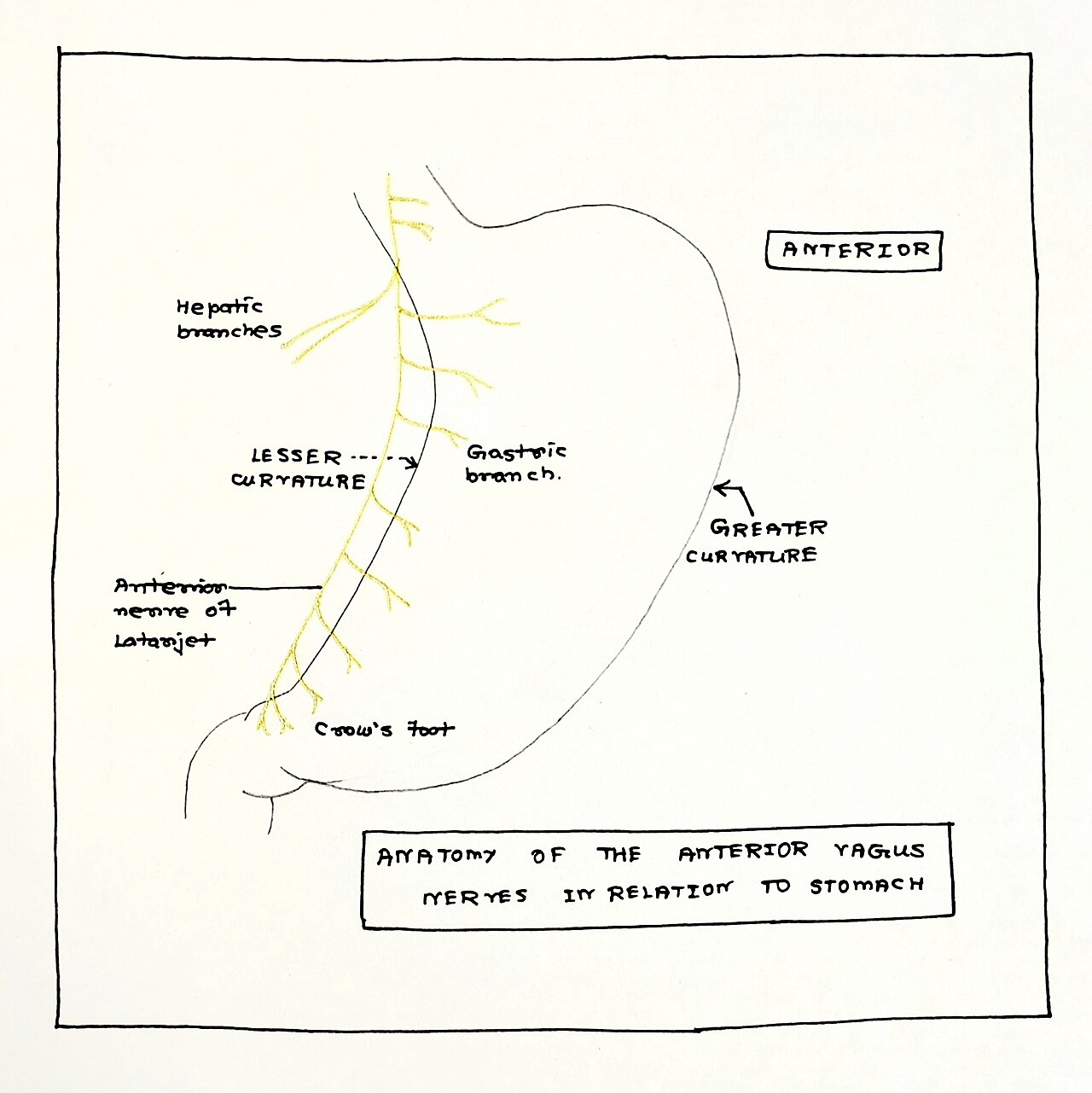
In a short crossover feeding study, older adults with overweight or obesity ate about 13 percent less at a breakfast after drinking 500 milliliters of water than after no preload. Water adds temporary stomach volume and may strengthen fullness signals before food arrives.
The effect is not universal. Younger adults may compensate differently, and water passes through the stomach. It contains no ingredient that dissolves body fat. If a preload helps, it is because it changes the meal or replaces a caloric drink—not because water creates a large lasting increase in energy expenditure.
Try the tested version, then personalize
A practical test is about two cups of plain water 20 to 30 minutes before one or two meals where portions tend to run large. Keep the rest of the meal routine stable for two weeks. Notice comfort, hunger and whether intake changes naturally. There is no prize for forcing water when you are not thirsty.
Sparkling water may cause more bloating for some people. Replacing sweetened drinks can have a larger effect than adding water while keeping the drinks. If frequent nighttime urination is a problem, focus earlier in the day rather than near bedtime.
More water is not always safer
People with heart failure, advanced kidney disease, low blood sodium or clinician-directed fluid limits should not adopt a water-loading routine without medical guidance. Drinking very large amounts quickly can be dangerous. The studied preload was moderate and tied to meals, not a daily gallon challenge.
Use the habit only if it makes eating easier and feels comfortable. Pair it with a meal that contains protein, fiber and satisfying texture. The practical close is modest: fill a glass before the meal you most often rush, and observe the result. Water can support structure; it cannot replace a complete weight-management plan.
Do not confuse thirst with a rigid quota
Fluid needs change with body size, climate, activity, pregnancy, illness and food intake. Soups, milk, fruit and other foods contribute water too. Urine color can offer a rough cue, but vitamins, medicines and health conditions can change it. A universal eight-glass rule is not a clinical prescription.
Keep a bottle available if access is the problem, and sip across the day instead of making up a deficit all at once. When exercise is long or heat is extreme, sodium and other electrolytes may matter. The premeal trials tested one specific habit; they did not validate aggressive hydration plans or products marketed as detoxifiers. If the habit causes nausea, uncomfortable fullness or replaces needed nutrition, stop it and choose another portion-management tool.