Weight Loss and Erectile Function: What Men Should Know
Randomized trials suggest lifestyle weight loss can modestly improve erectile function for some men. Learn the limits, red flags and treatment options.
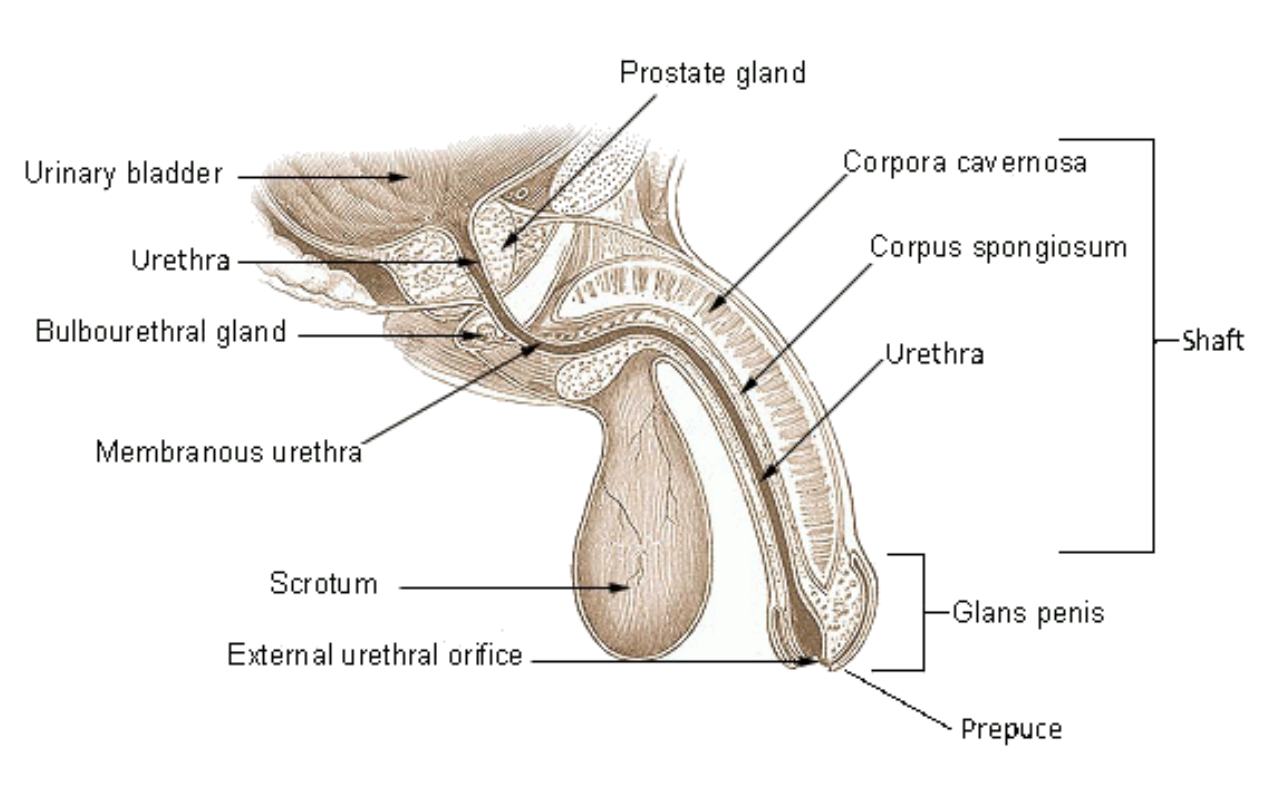
Weight loss and activity may improve erectile function for some men with overweight or obesity, but ED can signal vascular disease and deserves direct assessment.
A private concern can be useful health information
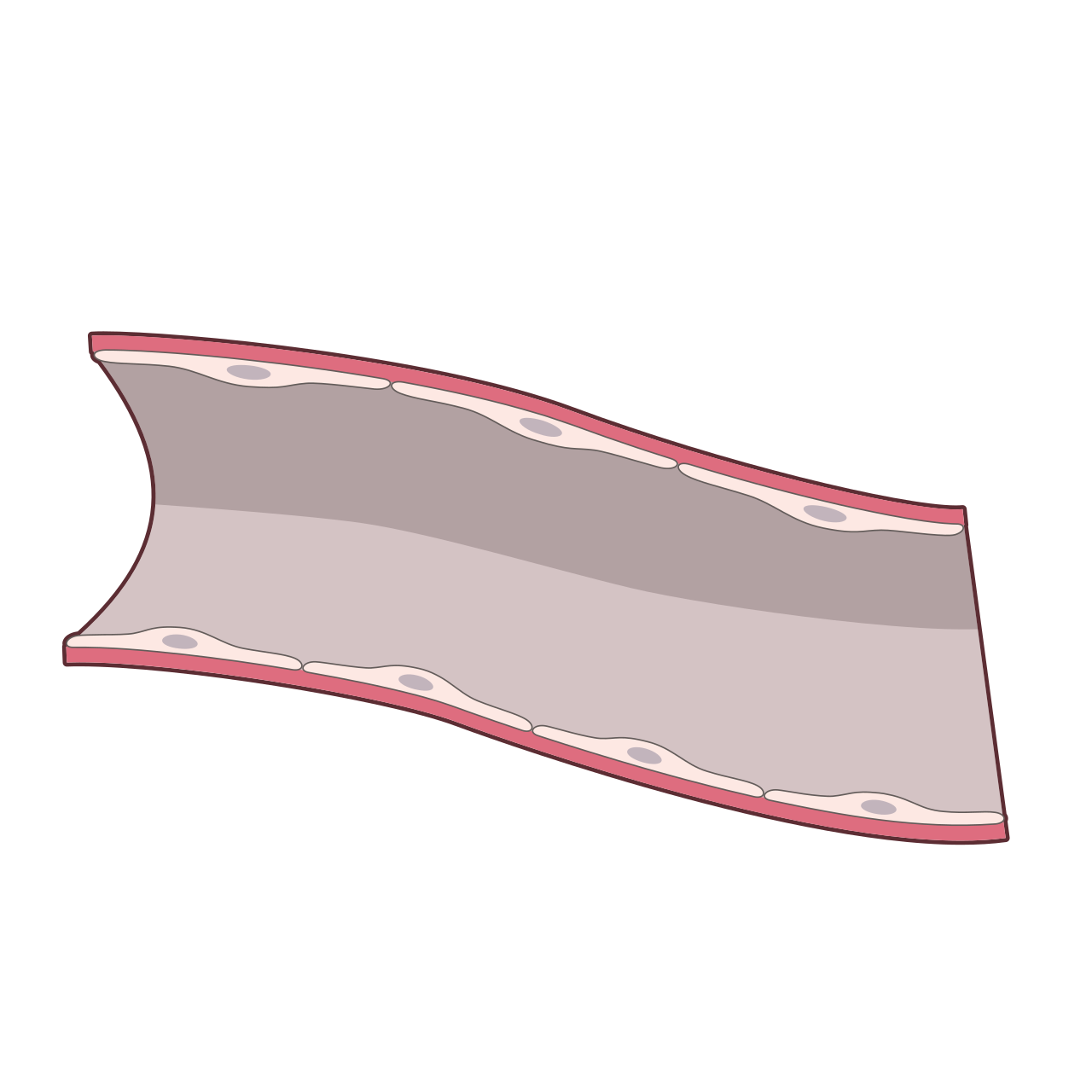
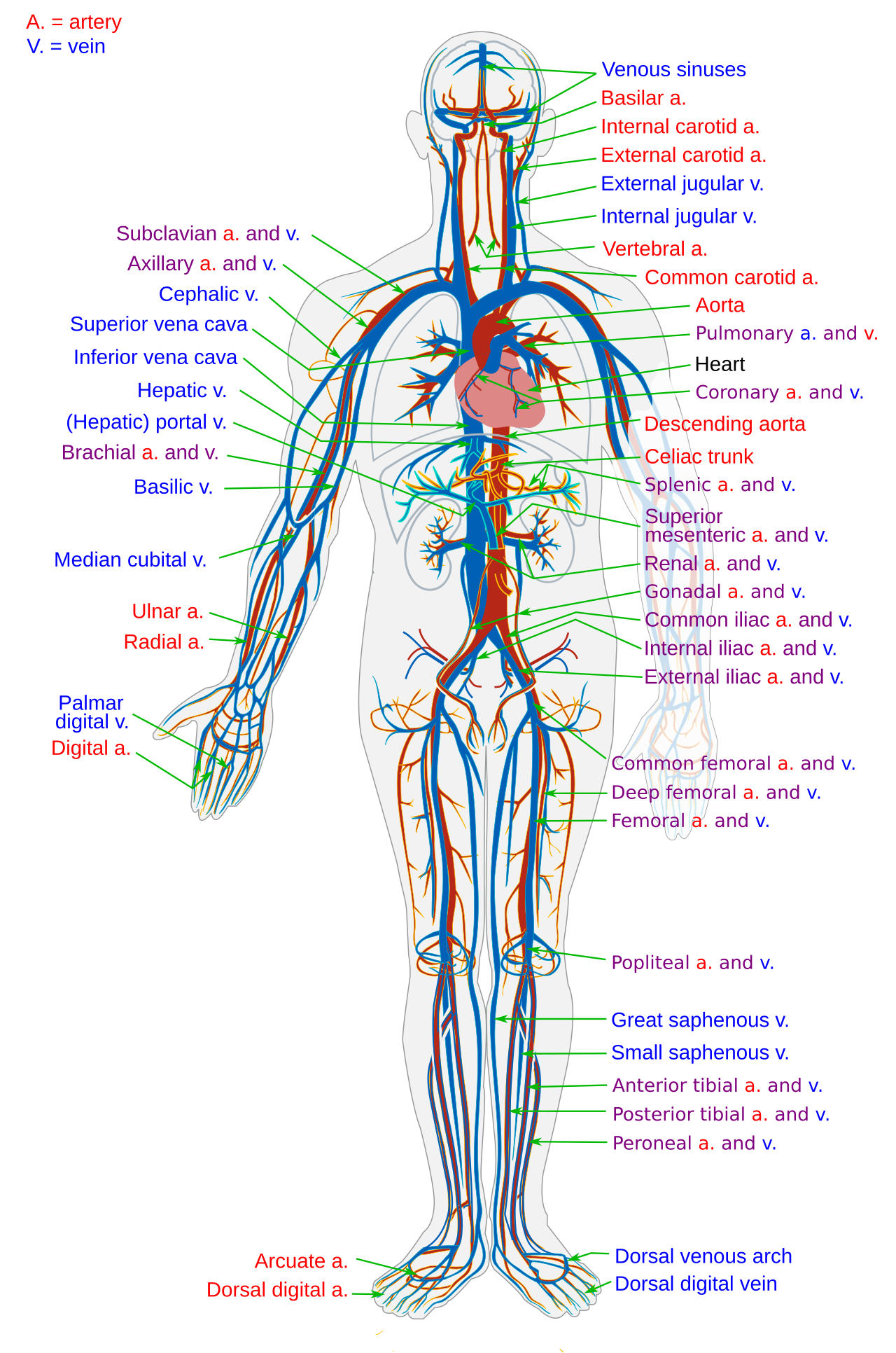
Erectile dysfunction is often treated as an isolated bedroom problem, yet erections depend on blood vessels, nerves, hormones, medicines and emotional context. A change can be an early reason to review cardiovascular and metabolic health. Weight is one part of that picture, not a verdict on masculinity or effort.
Lifestyle improvement can support vascular function, but nobody should be told to lose weight before receiving care. ED may need treatment now while broader health goals move at a safe pace. Sudden onset, pain, penile injury or symptoms such as chest discomfort deserve prompt medical attention.
A two-year randomized trial found meaningful improvement
One influential trial enrolled 110 men with obesity and erectile dysfunction who did not have diabetes, hypertension or high cholesterol. Half received intensive advice designed to produce at least 10 percent weight loss through diet and activity; controls received general information. After two years, the intervention group lost more weight, became more active and improved erectile-function scores.
Seventeen men in the intervention group, compared with three controls, reached a score consistent with restored erectile function. That is encouraging, but it also means most participants did not fully normalize. Lifestyle change was helpful for some, not a universal cure.
A lower-intensity program showed a smaller benefit
The SHED-IT trial randomized 145 sexually active men with overweight or obesity to a male-focused self-help weight-loss program or a wait-list control. At six months, erectile-function scores improved modestly in the intervention group. The effect was statistically significant but small.
Together, the trials support weight management as an adjunct. They do not prove that every kilogram lost produces a fixed change, or that weight is the cause of every case. Smoking, sleep apnea, diabetes, vascular disease, low mood, relationship stress and medicines can all contribute.
Ask for a direct ED evaluation
A useful assessment covers onset, consistency, morning erections, sexual desire, mental health, medication and supplement use, blood pressure and cardiometabolic risks. Laboratory tests or a physical examination may be appropriate. Avoid products that promise instant enlargement or guaranteed erections; FDA has repeatedly found undeclared drug ingredients in some sexual-enhancement supplements.
Lifestyle steps are specific: increase regular activity, improve food quality, stop smoking, moderate alcohol and address sleep. Choose changes that support both cardiovascular health and sustainable weight loss. Do not delay evaluation while waiting for a target weight.
Prescription care is different from a supplement
Total Male Rx is a telehealth service currently listing prescription sildenafil and tadalafil for ED, with clinician review required before treatment. These are approved drug ingredients, not dietary supplements, and eligibility depends on medical history. The service should be judged on the exact dispensed medicine, dose, total cost, renewal terms and pharmacy information—not on a guarantee that a prescription will be issued.
Sildenafil and tadalafil must not be combined with nitrate medicines because blood pressure can fall dangerously. Other heart conditions and medicines also matter. The practical close is to pursue both tracks: arrange an ED evaluation now, then choose one manageable lifestyle change that benefits vascular health. Improvement does not require treating either care or weight management as an all-or-nothing test.
Set two outcomes and follow both
Use one measure for vascular health and one for sexual function. The first might be home blood pressure, walking capacity or a clinician-guided lab result. The second might be the consistency of erections in relevant situations rather than a vague sense that everything should improve at once.
Review the pattern after several weeks, not after one encounter. Anxiety, alcohol, fatigue and relationship context can create normal variation. If erectile function remains impaired, return to the clinician even when weight or fitness is improving. A successful health plan does not require one outcome to wait for the other. Seek urgent care for an erection lasting four hours or more, whether it follows a prescription, supplement or no obvious trigger.