Weight Loss Supplements: How to Read the Evidence Before You Buy
A practical guide to weight loss supplement research, marketing claims, hidden ingredients, and the questions worth asking before buying.

Evidence for weight loss supplements is often limited; assess the exact product, safety, and long-term outcomes before spending money.
What a weight loss claim actually tells you
Weight loss supplements compete for attention with promises about metabolism, appetite, and fat burning. A convincing advertisement, however, does not show whether a product produces a worthwhile change in body weight or helps maintain that change. The useful question is more specific: what happened when people took this exact formulation, compared with an appropriate control, and for how long?
The NIH Office of Dietary Supplements reviews a wide range of ingredients and describes substantial limitations in the evidence. Some studies are small, brief, or difficult to compare. Multi-ingredient products create another problem: research on one component cannot establish the effect of the finished blend. An ingredient appearing in a study is a starting point for investigation, rather than a product endorsement.
Separate a measurable effect from a meaningful result
When reading a study summary, look for the amount of weight lost in both groups. If participants receiving the supplement also received intensive coaching, the comparison group should receive comparable support. Otherwise, the headline may attribute to a capsule what could reflect changes in meals, activity, or contact with the research team.
Also check how many people completed the trial and whether follow-up continued after treatment ended. A short experiment can miss later weight regain and uncommon adverse effects. A change in a laboratory marker or an estimate of energy expenditure is a different outcome from sustained weight loss. Keeping those endpoints separate makes product comparisons more useful.
Why the label deserves close reading
A useful product assessment starts with the complete ingredient list, serving size, and amounts. Write down what is actually in one daily serving before comparing it with a study. Names that sound similar can refer to different extracts, and a long ingredient list can make it harder to identify which component caused an unwanted effect.
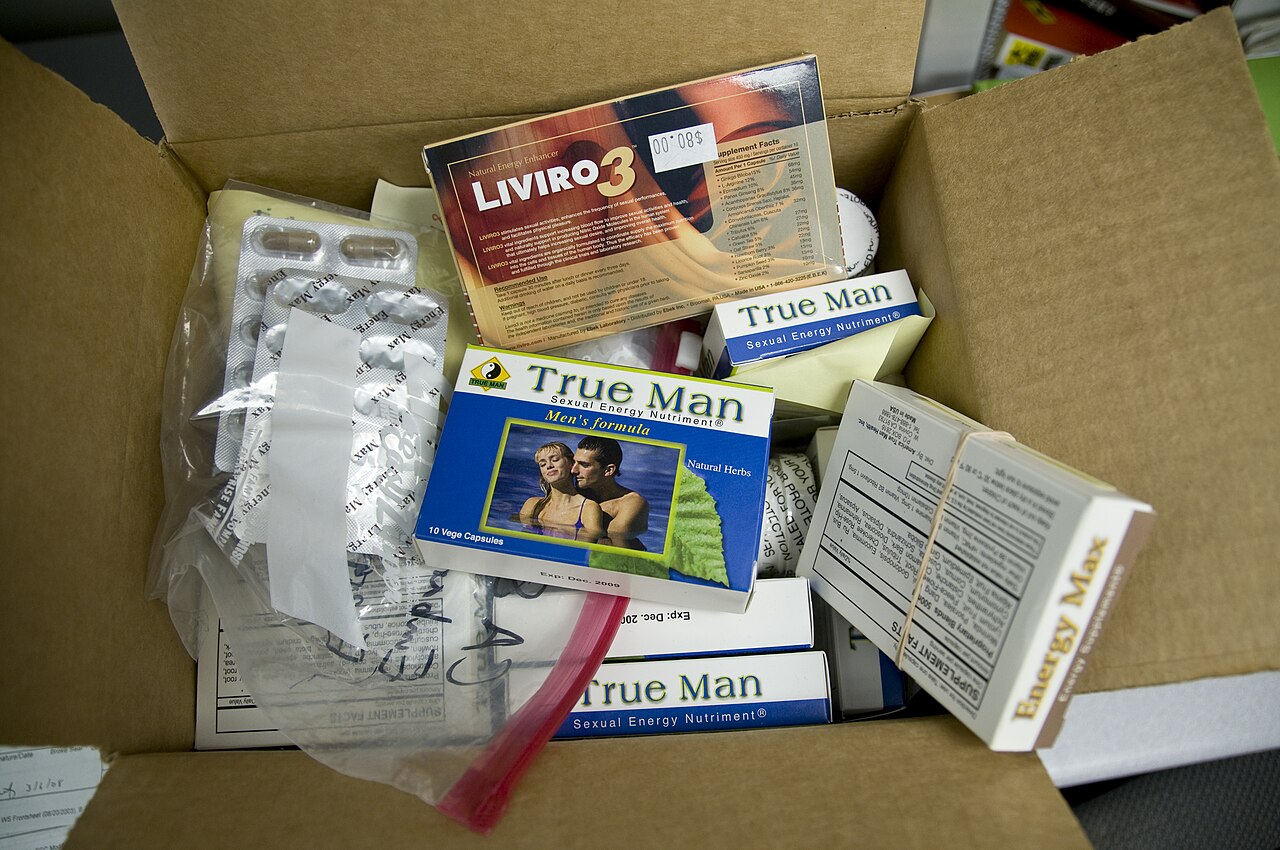
FDA does not review and approve dietary supplements before marketing in the same way it approves drugs. That distinction matters when packaging uses medical imagery or language that sounds official. For weight loss products, FDA maintains public notifications about products found to contain hidden ingredients. Absence from that list does not establish that a product has been tested or is safe.
Treat dramatic promises as questions to investigate
Claims of rapid results without changes in eating or activity should prompt a closer look. Testimonials offer an individual story without revealing what else changed, how representative the result was, or whether the person was paid. Before-and-after photographs also leave unanswered questions about timing and conditions.
Instead of asking which promise sounds strongest, ask the seller for the published study of the marketed product. Read beyond a sales-page excerpt. Identify who participated, what the comparison was, what was measured, and whether the authors reported adverse events. A company that provides only a generic ingredient bibliography has not answered the same question.

Compare the purchase with a broader plan
NIDDK recommends evaluating weight management programs for realistic goals, ongoing support, and a plan for maintaining progress. A supplement purchase can be assessed alongside those features: what practical support will it add, what will it cost over several months, and how will its value be judged?
A discussion with a health professional can also bring existing medicines and medical conditions into the decision. Bring the label or a clear photograph, including the serving instructions. This is particularly useful when several products are being used at once, because the same ingredient may appear under different brand names.
A more useful shopping checklist
Before buying, keep a short record of the claim, the exact product, the evidence offered, the total cost, and any unanswered safety questions. Decide in advance what information would change your mind. This makes it easier to resist a countdown timer or an automatic subscription that creates pressure before the evidence has been examined.
Weight management is a long-term concern, and an article cannot determine which approach fits an individual. The practical takeaway is to match the strength of a claim to the strength of its evidence. Limited studies, uncertain durability, and incomplete safety information deserve visible space in the decision, even when the marketing presents a simple answer.
Sources & further reading
This article provides educational information. Ask a qualified clinician or pharmacist about your symptoms, medical conditions, medicines and supplement interactions.