White Kidney Bean Extract: What “Carb Blocker” Trials Really Show
A guide to Phaseolus vulgaris extract, alpha-amylase inhibition, mixed weight-loss trials, meal context, conflicts, and side effects.
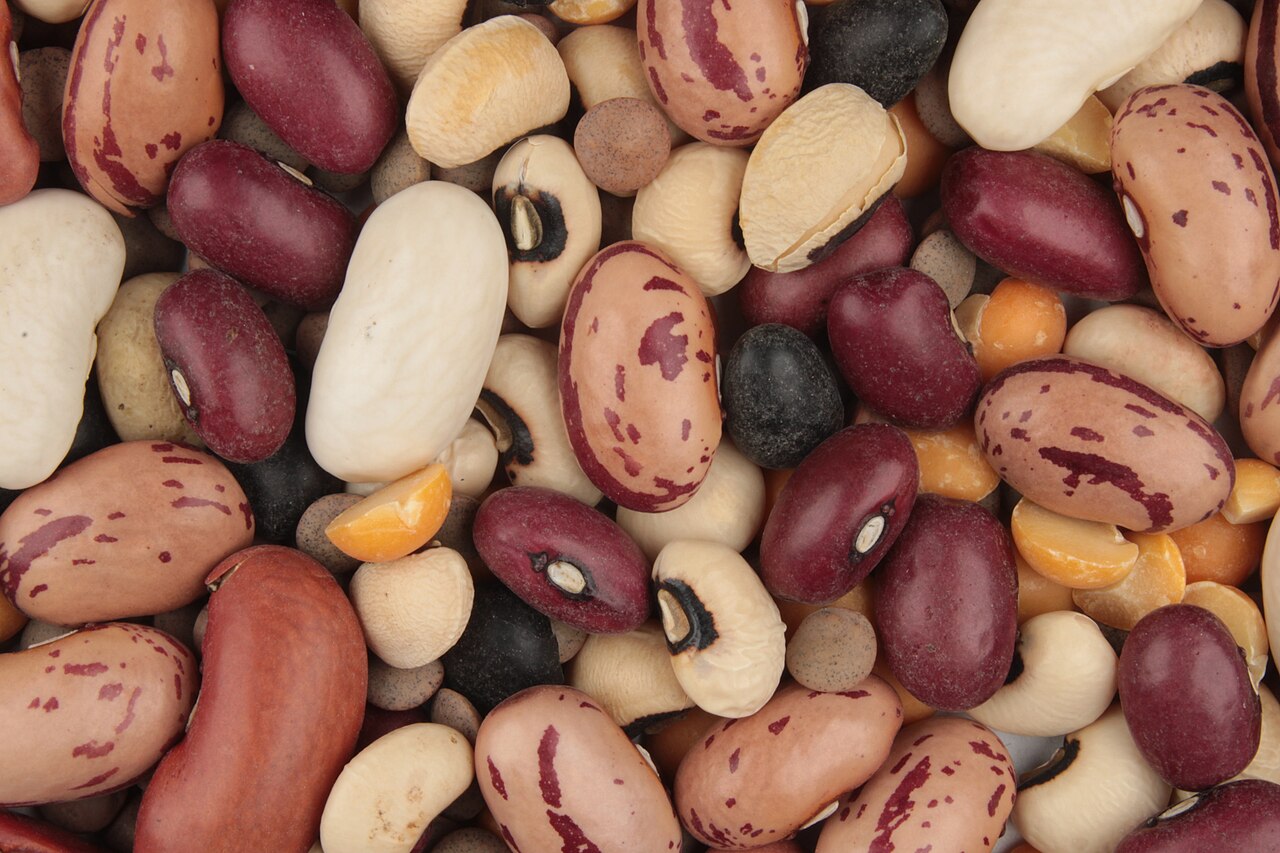
Some proprietary white kidney bean extracts produced modest losses in short trials, but products and study quality vary substantially.
The carb-blocker label simplifies the mechanism
White kidney bean extracts can contain alpha-amylase inhibitors that slow the enzymatic breakdown of starch. Marketing often calls this blocking carbohydrates, but the extract does not erase every carbohydrate or calorie in a meal. Simple sugars do not require alpha-amylase, and the amount of active inhibitor can differ by bean source, extraction, storage, and product standardization.
Meal composition is therefore central. A dose taken before a starch-heavy meal is not the same intervention as the same capsule with a low-carbohydrate meal. Trials also frequently combine the extract with calorie restriction, exercise, or counseling.
Short trials report different outcomes
A 2007 randomized trial gave 60 adults a standardized extract before a carbohydrate-rich meal for 30 days and reported greater reductions in weight and body measurements than placebo. The short duration, prescribed diet, and proprietary product make the result difficult to generalize to unsupervised long-term use.
Another four-week study placed 25 adults in a multi-component weight-loss program. Both groups lost weight, and the overall differences between extract and placebo were not significant. A favorable finding appeared only in an exploratory subgroup with the highest carbohydrate intake. Exploratory subgroups generate hypotheses; they are not as reliable as a prespecified primary result.
A longer proprietary study found a difference
A 12-week randomized trial tested a proprietary Phaseolus vulgaris extract during a mildly hypocaloric diet. The active group lost about 2.9 kilograms versus about 0.9 kilograms with placebo. An open-label maintenance phase followed, but without a concurrent placebo that phase cannot prove that the extract maintained weight.
A newer 12-week trial also reported dose-related changes while every group followed calorie restriction. The investigators disclosed that some authors consulted for the manufacturer. Industry involvement does not invalidate data, but independent replication becomes especially important.
Systematic reviews reveal the uncertainty
An earlier review found serious methodological flaws and no statistically significant pooled weight difference, although fat mass favored the extract. A more recent review reported modest average reductions across eight trials. Changes in the available studies and analytical choices can change pooled estimates, so the date and quality assessment of a review matter.
Even the favorable pooled numbers are modest. They do not justify claims that a capsule neutralizes pasta or permits unrestricted eating. The studied extracts were standardized; an unstandardized powder may not deliver comparable alpha-amylase inhibition.
Practical and safety considerations
Slowing starch digestion can cause gas, bloating, loose stool, or abdominal discomfort. People using glucose-lowering medicines should discuss the product with a clinician because post-meal glucose could change. Bean allergy is another reason for caution. Do not use the supplement to compensate for binge eating or to replace diabetes care.
A reasonable label review looks for a standardized extract, the amount per dose, timing instructions, and independent quality testing. Measure outcomes over weeks, not days. The research supports at most a modest adjunct effect for specific products in structured plans.
Timing claims deserve particular scrutiny. Because alpha-amylase acts during starch digestion, manufacturers often direct use shortly before meals. A trial that supervised premeal dosing cannot validate inconsistent use hours later. Likewise, taking more after a large meal is not evidence-based and may increase gastrointestinal effects. A person who already eats relatively little starch may have less plausible opportunity for the proposed mechanism, while someone with diabetes should not use the supplement to improvise medication adjustments.
Quality testing should verify identity and inhibitor activity, not merely the presence of bean powder. Two bottles listing the same milligrams can differ in biological activity if their extracts are not standardized. Consumers should also notice whether research measured a primary between-group endpoint or highlighted within-group loss. Both groups commonly lose weight in structured programs. Only the difference against placebo estimates the added contribution of the extract, and even that estimate applies most directly to the tested formulation and adherence pattern.
Sources & further reading
This article provides educational information. Ask a qualified clinician or pharmacist about your symptoms, medical conditions, medicines and supplement interactions.