Aged Garlic Extract and Blood Pressure: An Adjunct, Not a Replacement
A Heart Health guide to aged garlic extract trials, dose response, modest blood-pressure effects, bleeding risk, product differences, and care.
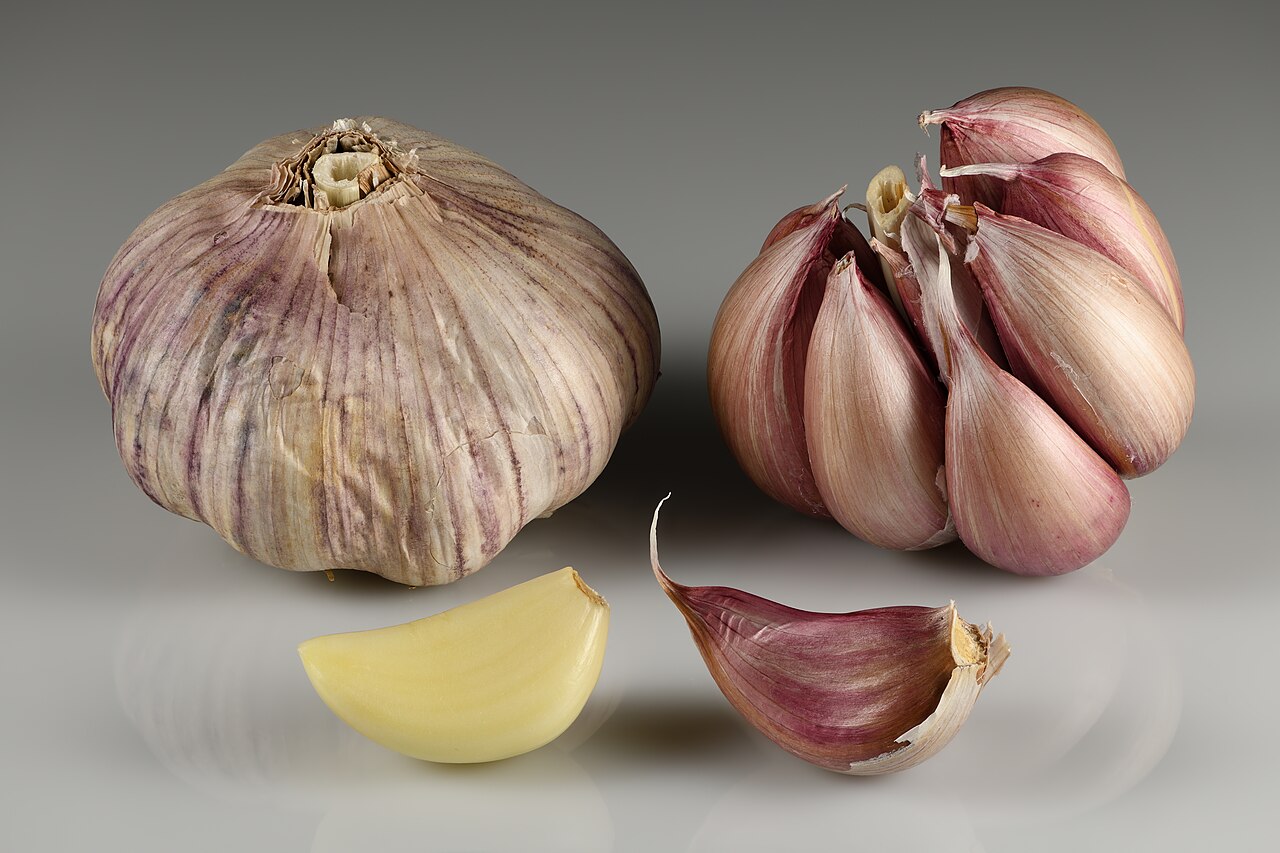
Specific aged garlic extracts lowered systolic pressure in some small trials, but they should complement—not replace—hypertension treatment.
Garlic food studies do not test every supplement
Garlic products include fresh cloves, powders, oils, enteric-coated tablets, and aged extracts. Aging changes sulfur compounds and odor, and trials often standardize S-allylcysteine. Results from one aged extract cannot be transferred automatically to culinary garlic or an unstandardized capsule.
Blood pressure also varies with posture, cuff size, recent activity, caffeine, stress, and time of day. Repeated standardized measurements are needed to separate treatment from normal fluctuation.
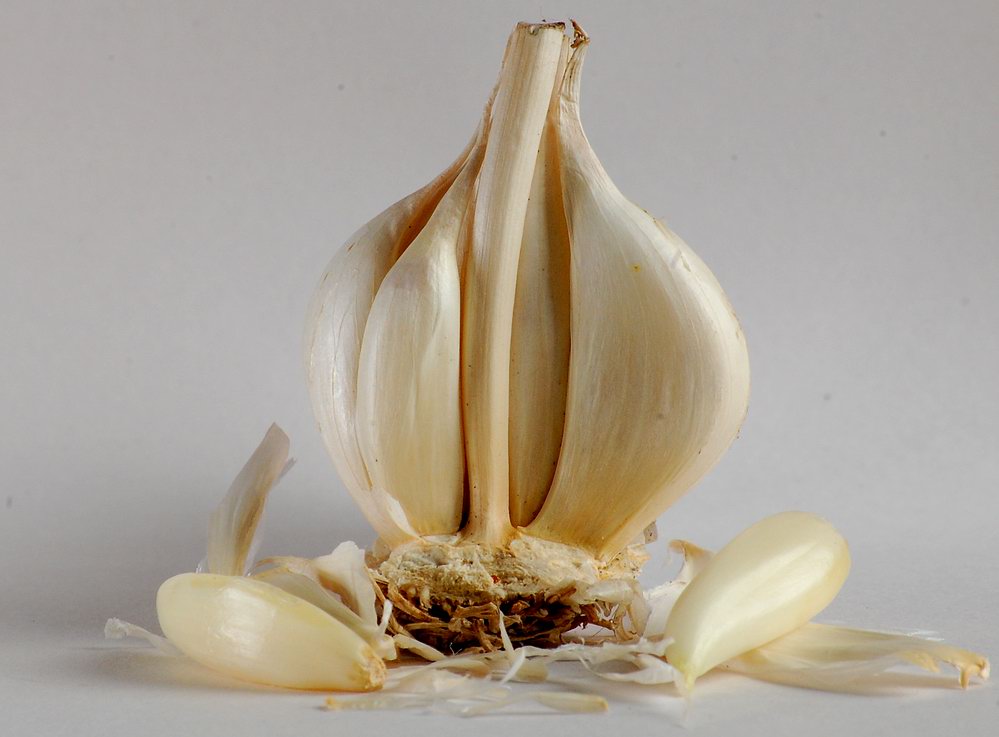
A 12-week adjunct trial found lower systolic pressure
A double-blind randomized trial enrolled 50 patients whose hypertension remained uncontrolled despite medication. Participants received aged garlic extract providing 2.4 milligrams of S-allylcysteine daily or placebo for 12 weeks. Among those with systolic pressure at least 140, the garlic group averaged about 10 millimeters of mercury lower systolic pressure than control over the study.
The extract was added to existing treatment. The trial does not support replacing prescribed medication or using garlic as emergency treatment for very high readings.
Dose response was not simply more is better
A second randomized trial assigned 79 patients with uncontrolled systolic hypertension to one, two, or four capsules of aged garlic extract or placebo. The two-capsule dose produced the clearest systolic reduction over 12 weeks, while the highest dose did not consistently outperform it.
This non-linear pattern argues against escalating capsules on one’s own. Absorption, adherence, chance, and biology can make the middle dose appear better. The tested S-allylcysteine standardization matters more than capsule count alone.

NCCIH calls the evidence limited
NCCIH says limited evidence suggests garlic supplements may reduce blood pressure to a small extent in people with hypertension. The studies are generally small and short, formulations vary, and long-term cardiovascular-event prevention has not been established.
Lowering a cuff reading is useful when reproducible, but it is not proof that a supplement prevents heart attack or stroke. Outcome claims must stay within the evidence.
Bleeding and medication review come first
Garlic supplements can cause odor, abdominal pain, gas, nausea, and allergic reactions. They may increase bleeding risk, particularly with anticoagulants, antiplatelet medicines, aspirin, or surgery. Blood-pressure medicines can also combine with a supplement effect and cause dizziness or low readings.
Anyone considering aged garlic should bring the exact product and home-pressure log to a clinician. Continue prescribed therapy unless the prescriber changes it. A standardized extract may be a monitored adjunct for selected patients, not a substitute for diagnosis, medication, diet, activity, or follow-up.
Home monitoring should use a validated upper-arm cuff, correct cuff size, five minutes of seated rest, feet on the floor, and repeated readings at similar times. Single readings after a stressful moment are poor evidence. A supplement trial can appear effective if baseline measurements were unusually high and later readings simply regress toward a person’s average.
The participants in the positive trials already had treated but uncontrolled hypertension. Results do not necessarily apply to people with normal pressure, untreated severe hypertension, pregnancy-related hypertension, or kidney disease. Very high readings or symptoms such as chest pain, weakness, confusion, or severe headache require urgent care rather than a garlic experiment.
Standardization to S-allylcysteine helps compare aged extracts, but retail products may use different aging processes or marker amounts. Odorlessness does not confirm potency. Independent testing can verify content and contaminants; it cannot prove that the product reduces cardiovascular events.
Blood pressure is only one part of cardiovascular risk. LDL cholesterol, smoking, diabetes, sleep apnea, activity, kidney health, and medication adherence may have larger effects on long-term outcomes. A monitored adjunct is reasonable to discuss, but substituting garlic for proven treatment can turn a modest possible benefit into preventable risk.
The decision should include a medication and supplement reconciliation, because several products can affect bleeding or pressure at once. Recheck readings after any change and report dizziness, fainting, unusual bruising, or bleeding promptly. Never adjust antihypertensive doses without the prescriber.
Sources & further reading
This article provides educational information. Ask a qualified clinician or pharmacist about your symptoms, medical conditions, medicines and supplement interactions.