VitaVein Review for Heart Health: Beetroot Capsules, Nitrate Research, and Routine Value
Review VitaVein’s heart-health positioning, beetroot nitrate research, daily capsule convenience, current bundles, and its place within a broader wellness plan.
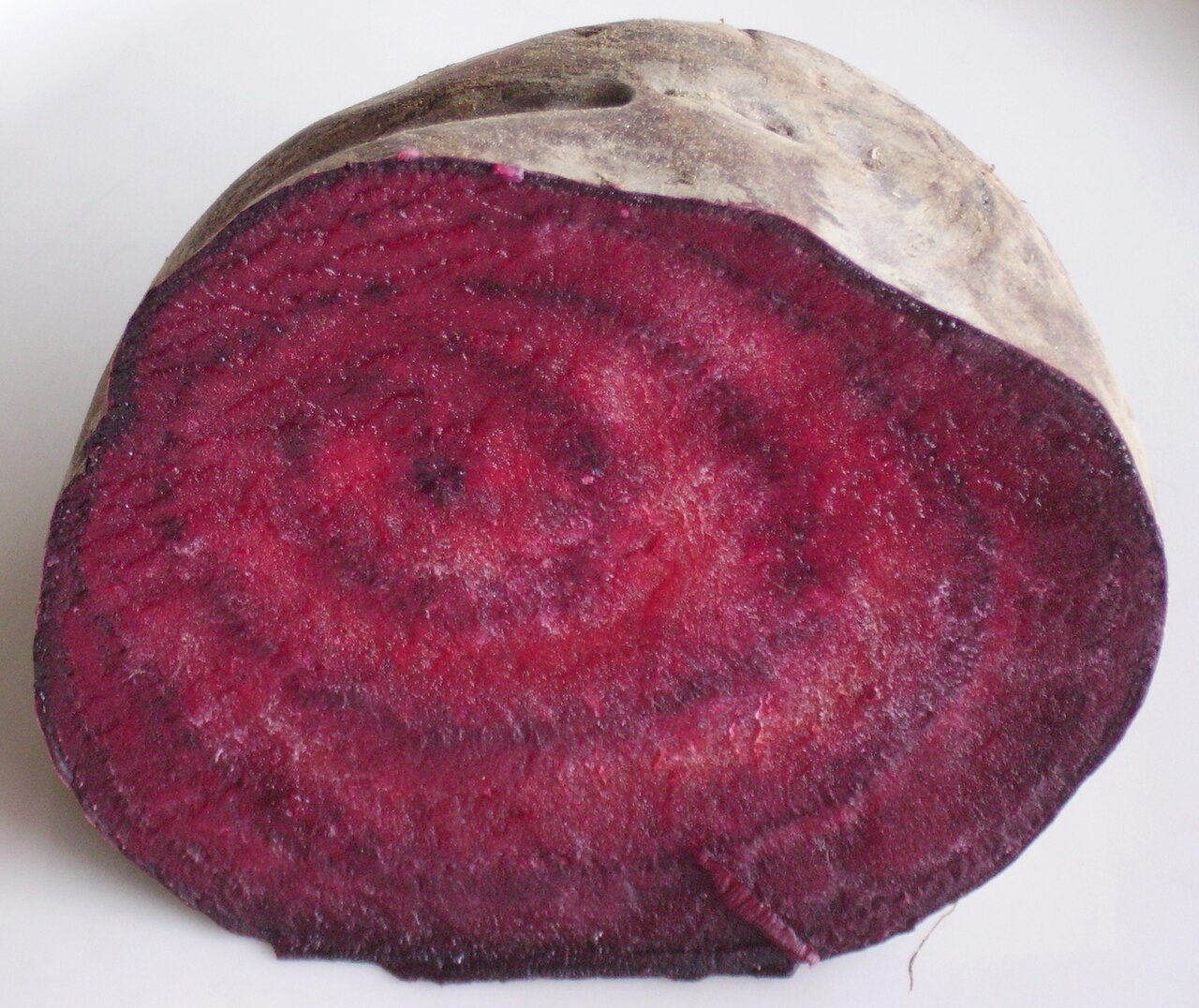
VitaVein’s primary fit is heart-health nutrition through a convenient beetroot format. Nitrate trials inform its cardiovascular rationale, but they do not establish blood-pressure or weight-loss results from this capsule.
A convenient beetroot option for a heart-focused routine
A product is easier to assess when its main purpose is clear, and VitaVein belongs first in the heart-health conversation. Beetroot has been investigated in human studies of dietary nitrate, blood pressure, and vascular function. VitaVein makes that ingredient category accessible in a once-daily capsule, which may appeal to someone who prefers not to prepare juice or mix another powder. Its practical proposition is a convenient beetroot addition to a cardiovascular wellness routine, with a bottle that is easy to store and one-time packages that are straightforward to compare.
The WeightWell Report’s review keeps that cardiovascular purpose primary. The product declares 1,300 milligrams of beetroot per serving without a quantified nitrate amount, and its powder-versus-extract wording remains unresolved in the reviewed material. Those details limit comparison with measured nitrate-rich juice studies. This assessment therefore starts with the heart-health research and actual label, then considers food, activity, and purchasing choices. It does not claim a finished-product blood-pressure result or assign the capsule a weight-loss role merely because cardiovascular wellness and body-composition goals can coexist.

Blood-pressure and blood-vessel studies set the research context
Kapil and colleagues compared nitrate-rich beetroot juice with nitrate-depleted juice in adults with hypertension over four weeks and reported improvements in blood-pressure measures. Velmurugan and colleagues studied vascular function and platelet-related endpoints using beetroot juice in people with elevated cholesterol. These are meaningful examples of cardiovascular nutrition research because they identify what was consumed and which physiological outcomes were measured.
They are not trials of VitaVein. The capsule’s plant-ingredient weight cannot be converted into the nitrate amounts supplied in those interventions, and a vascular endpoint does not establish weight loss or disease prevention. The practical appeal remains a simple daily beetroot format. A buyer can appreciate that convenience while asking for the nitrate and complete-label information needed to make a more precise comparison with the research.
Dietary nitrate explains the cardiovascular interest in beetroot
Dietary nitrate can participate in a pathway through nitrite to nitric oxide, with oral bacteria involved in an important conversion step. Nitric oxide's roles in vascular physiology help explain interest in beetroot research. This gives the ingredient category a genuine scientific story beyond a general association between vegetables and health. It also explains why the amount and form used in a study matter. Researchers are often investigating a preparation with measured nitrate, not simply any product that lists the word beetroot on its front label.
VitaVein's displayed 1,300 milligrams refers to beetroot material, not a quantified nitrate dose. No reliable conversion from that ingredient weight to a trial's nitrate amount is available from the reviewed product information. A useful seller question is whether a current batch assay provides that missing detail. Until it does, human nitrate studies are context for the ingredient category, not proof of this capsule's effect. This distinction allows the research to remain interesting without treating an attractive mechanism as evidence of weight loss or guaranteed circulation improvement in every buyer.
The basic supply is easy to understand
The page presents thirty capsules per bottle and a direction to take one daily with water, suggesting a consistent time such as morning or a meal. That makes the intended bottle duration straightforward. The official description lists 1,300 milligrams of beetroot per serving, a figure repeated in public product data. A buyer can compare the serving concept without having to estimate how much beetroot belongs in a homemade preparation. The supplied bottle should remain the reference for actual instructions, especially if the formula or packaging changes after the review date.
The ingredient wording does need one clarification: description text says powder, while the promotional Supplement Facts graphic says extract. The reviewed material did not establish a complete other-ingredient list or a nitrate standardization. Ask for the current label if capsule materials, dietary preferences or the precise preparation matter. There is no need to invent a calorie count, allergen status or extra ingredient claim from an abbreviated graphic. A focused ingredient story is appealing, and a complete label is the information that allows the shopper to judge its fit with confidence.

Caffeine-free positioning offers a different shopping choice
The company markets the product as supporting energy without caffeine. That may be attractive to a reader who wants to avoid adding a stimulant-style supplement or another caffeinated drink. It is a positioning feature worth comparing with the actual current label. The reviewed material does not justify promising an immediate sensation of energy or assuming everyone will feel a specific effect. The point is that the product is presented as a beetroot-focused daily option, rather than a product whose appeal depends on a caffeine dose or a strong acute kick.
For someone managing several wellness habits, that can make the decision simpler. The shopper can compare format, formula information and cost without assuming that a stimulating feeling is proof of progress. Hunger, tiredness and motivation can have different causes, so none should automatically be recast as a need for beetroot. The product's role can remain modest and practical. A clear reason for adding it is more useful than using a vague energy promise to connect it with every aspect of a weight-management plan.
Exercise evidence is a secondary part of the picture
One controlled study by Bailey and colleagues used a defined beetroot-juice preparation and measured exercise responses in a small group of men. Its findings about oxygen cost and high-intensity exercise tolerance helped build interest in dietary nitrate. That is relevant background for readers who enjoy physical activity, but it was not a VitaVein study and did not establish a fat-loss effect. Exercise physiology has many endpoints; a result from a laboratory test should not be silently translated into a claim that a supplement burns a certain number of additional calories.
Research also varies with participants and protocols. A trained cyclist, a casual walker and a person beginning an exercise plan are not interchangeable study populations. The practical lesson is to ask what was actually measured, with which preparation and in whom. VitaVein's convenience can still appeal independently of a performance claim. A capsule may fit an existing routine even when the evidence does not support predicting a workout result. Activity goals should be built around the person's actual capacity and appropriate advice, rather than the assumption that a supplement supplies a shortcut to energy expenditure.
Keep weight-management outcomes distinct from cardiovascular nutrition
Beetroot's circulation-related research rationale does not establish that this capsule reduces body fat. Changes in blood-vessel function, exercise physiology and body weight are different outcomes, even when they appear together in wellness advertising. No finished-product randomized trial demonstrating VitaVein weight loss was identified in the reviewed material. That is a boundary on the claim, not a reason the daily format cannot have a place. A person can choose a supplement for its ingredient concept without expecting it to act as an obesity medication or transform a dietary pattern by itself.
A more useful question is what the reader wants to add and why. Someone who dislikes preparing beetroot juice may value the capsule's portability. Someone seeking treatment for a weight-related medical concern needs an assessment suited to that concern. Those are different purchasing decisions. Keeping them distinct can prevent disappointment and make budgeting more rational. The product's positive features are easiest to appreciate when they are compared with realistic alternatives in the beetroot category, rather than judged against a promise of appetite control or a predictable change in body composition that has not been established.

Food remains the broader nutrition framework
A capsule does not reproduce the complete experience or nutrient combination of whole vegetables. Beets and other foods contribute texture, flavor, meal variety and components that are not established by a featured-ingredient supplement label. This matters when comparing product convenience with everyday eating. VitaVein can be considered as an addition without needing to replace a vegetable portion or carry the nutritional role of a meal. A single daily instruction is attractive precisely because it is a small task, not because it turns broader food choices into an unnecessary detail.
The same distinction helps with comparisons to juice. Juice involves its own volume, ingredients and preparation, while a capsule is easier to carry. Neither format should inherit the other's exact nutrition information without a verified label. A buyer can legitimately prefer the portability of a capsule while continuing to enjoy food-based variety. The decision is not a contest in which one option must do everything better. It is about choosing the role the supplement would play and recognizing what remains part of the wider eating pattern.
Use the routine without turning it into a deadline
A predictable daily direction can fit naturally with an existing habit, such as a meal. The practical value is reducing guesswork about when the product belongs in the day. It should not be interpreted as a reason to take more than the supplied instructions or imitate a research dose from a different preparation. Larger ingredient amounts do not automatically create research equivalence, especially when nitrate content is not quantified. The bottle direction and individualized advice are more relevant to actual use than an improvised conversion from juice volumes.
The page also presents stages of expected benefits, but those timelines were not verified as clinical findings for the finished product. A named week does not establish when weight, energy, cholesterol or a symptom will change. Someone with a medical concern should not delay appropriate assessment while waiting for a supplement schedule to unfold. A useful purchase expectation is simpler: the customer is selecting a convenient daily beetroot format. Any clinical goal should be addressed on its own terms, with evidence and monitoring appropriate to that goal rather than a marketing countdown.
Bundle math makes the displayed offers comparable
At review, the official page and public product data showed three offers: $49.95 for buy one plus get one, $58.95 for buy two plus get two and $71.95 for buy three plus get three. The offer names imply two, four and six bottles, which should be confirmed in the final order summary. At thirty daily servings per bottle, those represent approximately two, four or six months of labeled supply. The total order commitment and the average bottle cost are both useful numbers, since a lower average does not mean a lower upfront spend.
Calculated from those displayed counts, average bottle costs are approximately $24.98, $14.74 and $11.99 before applicable shipping or tax. The larger bundles therefore have a clear arithmetic advantage for someone already comfortable with the product concept. A smaller purchase may fit a reader who prefers less supply or less initial commitment. This is legitimate value analysis without assigning an unproven health outcome to each dollar. The right choice follows the buyer's intended routine and confirmed terms, rather than the assumption that the largest offer must be best for everyone.

Check delivered cost and the one-time arrangement
The page labels ordering as a one-time purchase and states there is no subscription. That can appeal to buyers who want to decide when, or whether, to order again. Confirm the selected variant, total bottle quantity and purchase arrangement in the order summary, then retain the confirmation. A one-time format is a concrete transaction feature; it does not require a promise of clinical results to be useful. It may make the product easier to fit within a budget that already includes food, activity and other health-related expenses.
The free-shipping banner uses a threshold above fifty dollars, so the $49.95 option should not automatically be treated as delivered free. The store describes processing usually within one business day and typical U.S. delivery in three to five business days. Those are seller estimates, not a shipment test performed for this review. Checking the delivered total can prevent a small arithmetic surprise and make the bundle comparison more accurate. The final amount paid is a better basis for value than a promotional number viewed without its shipping conditions.
Understand the ninety-day support promise
A ninety-day money-back statement appears prominently, offering an appealing support route to investigate. The page also uses different eligibility phrases, referring to unused bottles in one place and unopened bottles in another. Those differences matter when comparing supply sizes and deciding whether an opened bottle would affect a return. Obtain a written answer that applies to the selected offer before relying on the promise. A broad support headline is not enough to infer every return condition, expense or handling requirement.
During the dossier check, several public policy routes for refunds, shipping and terms returned unavailable pages, while the privacy policy was accessible. That makes a direct, retained clarification particularly helpful. The aim is to understand an attractive transaction feature, not to assume a refund window proves product effectiveness. Ninety days is a purchase-policy period, not an established interval for fat loss or another biological result. Keeping those meanings separate allows the shopper to evaluate both the product and its terms with a clearer sense of what is actually being offered.
Fit a heart-health supplement to the person and the plan
Readers taking blood-pressure medicines or managing cardiovascular or kidney conditions should discuss the actual bottle label with their clinician before adding a circulation supplement. Dietary inorganic nitrate is not interchangeable with prescription organic-nitrate medicines, so an interaction should not be invented from the shared word nitrate alone. The useful point is individualized review of the person's situation and the real formula. New or persistent symptoms such as exercise intolerance or numbness should also be assessed rather than self-diagnosed as a simple need for beetroot.
VitaVein’s strongest role is a convenient beetroot option for readers interested in heart-health nutrition. Its capsule format and one-time bundles provide tangible purchasing features, while the human nitrate literature explains the cardiovascular interest in the ingredient. Confirm the complete label, ingredient form, nitrate information if available, delivered total, and return eligibility. Those details support a deliberate choice without assigning the finished capsule an unverified blood-pressure, cholesterol, or weight-loss effect. Food, activity, and any individual cardiovascular care remain part of the broader plan within which the supplement is being considered.
Sources & further reading
- VitaVein official product and offer page ↗
- VitaVein public product variants and prices ↗
- VitaVein official Supplement Facts marketing graphic ↗
- FDA: Dietary Supplements ↗
- NIH ODS: Dietary Supplements for Exercise and Athletic Performance ↗
- Bailey et al.: Dietary nitrate, oxygen cost and exercise tolerance ↗
- Kapil et al.: Dietary nitrate blood pressure trial ↗
- Velmurugan et al.: Dietary nitrate and vascular function trial ↗
This article provides educational information. Ask a qualified clinician or pharmacist about your symptoms, medical conditions, medicines and supplement interactions.