Beetroot Juice for Performance: Nitrate Dose, Timing, and the Event Matter
A Sports Nutrition guide to beetroot juice and nitrate, recent randomized trials, mixed performance outcomes, timing, mouthwash, and safety.
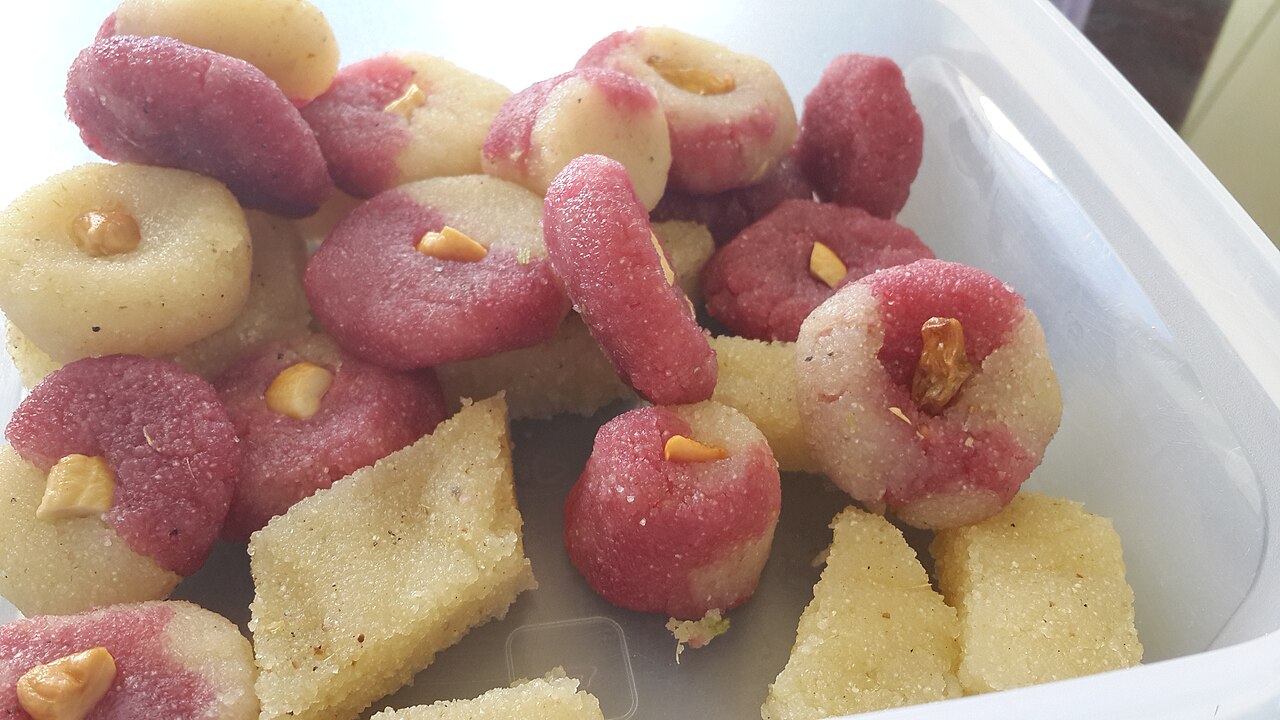
Beetroot juice can alter exercise physiology, but performance benefits vary by dose, event, training status, and study size.
The pathway depends on nitrate conversion
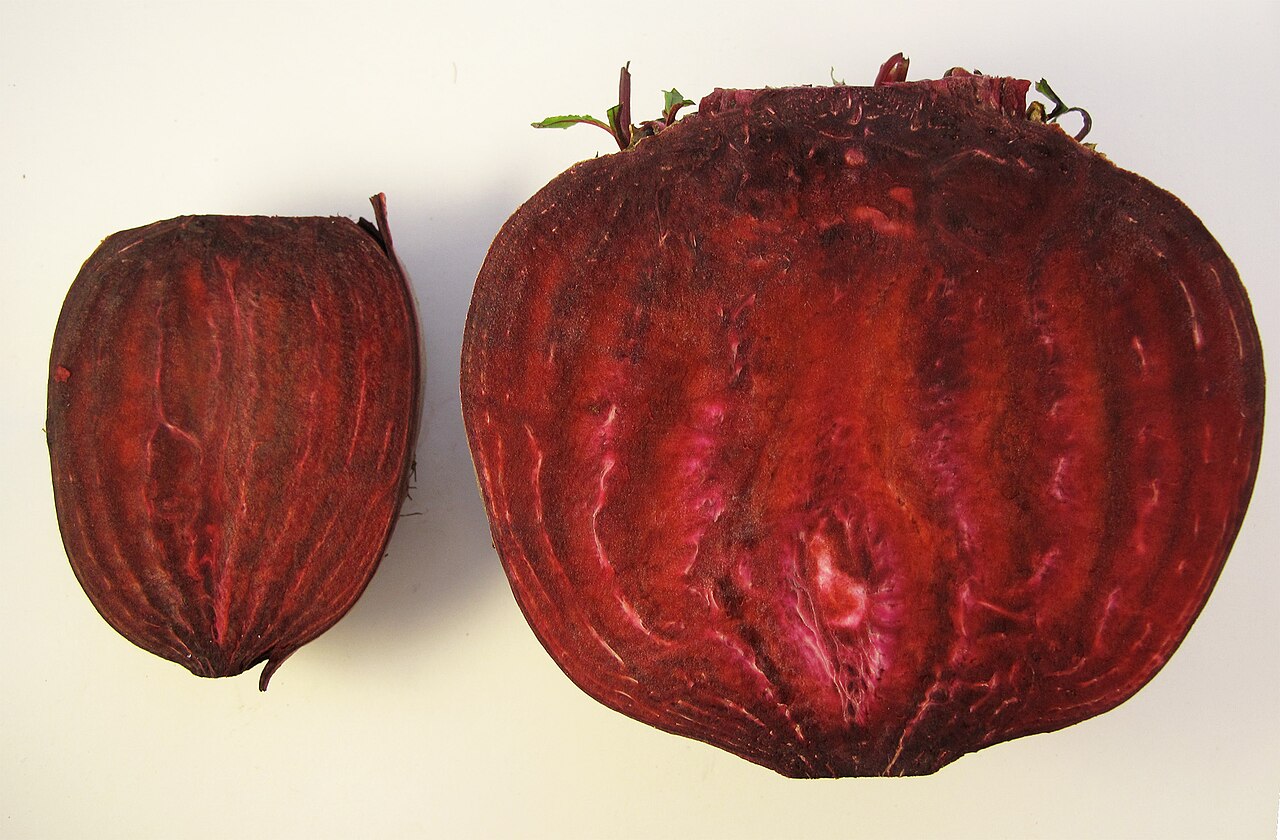
Beetroot juice supplies nitrate, which oral bacteria help convert to nitrite and the body can further convert to nitric oxide. This pathway can influence blood flow, muscle contractile function, and the oxygen cost of exercise. The nitrate amount—not simply juice color or bottle volume—is the key study variable.
Antibacterial mouthwash can reduce oral nitrate conversion, and timing matters because blood nitrite peaks after ingestion. A trial that doses two to three hours before exercise cannot validate a casual sip during the workout.
A 2026 older-women trial found one positive test
A randomized double-blind crossover study published in July 2026 tested nitrate-rich beetroot juice in nine healthy women aged 70 to 80. Dominant-hand grip strength improved versus nitrate-depleted placebo, but walking, timed-up-and-go, sit-to-stand power, cardiovascular responses, and several other tests did not.
With nine participants and many outcomes, the grip result is preliminary. The study does not support saying beetroot improves all functional performance in older adults.
High-intensity interval responses are dose-specific
A randomized crossover trial in 13 recreationally active young women compared placebo, about 6.45 millimoles of nitrate, and twice that dose before cycling intervals. Heart rate and perceived-exertion responses changed, while the full set of physiological and performance outcomes was mixed.
A lower heart rate during a standardized protocol can indicate altered physiology, but it is not identical to faster race time or greater completed work. The performance endpoint must be specified before calling the supplement effective.
Training status and event duration change response
Research generally suggests larger nitrate effects in recreational athletes than in highly trained endurance athletes, whose nitric-oxide systems and efficiency may already be optimized. Short sprints, repeated intervals, time trials, strength tasks, and long endurance events impose different demands.
Individual oral microbiomes also vary. A nonresponse does not necessarily mean the juice lacked nitrate, while a perceived pump does not prove performance improvement. Repeated standardized testing is more useful than one memorable session.
Practical use and safety
Beetroot can turn urine or stool red, a harmless effect that can surprise users. Juice may cause gastrointestinal discomfort and contains carbohydrate. Nitrate can lower blood pressure, so people with low pressure, kidney concerns, or blood-pressure medicines should seek individualized advice.
Choose products that disclose nitrate in millimoles or milligrams and use a nitrate-depleted placebo when judging research. Competitive athletes should favor sport-certified products. Beetroot is best considered an event-specific tool with variable response, not a universal endurance guarantee.
Reporting nitrate accurately requires unit conversion. One millimole of nitrate is about 62 milligrams, so a 6.4-millimole shot provides roughly 400 milligrams. Front labels that list only beetroot grams do not reveal nitrate exposure because agricultural conditions and processing change concentration. A standardized shot and beet powder scoop may look similar while delivering very different doses.
Placebo design is also challenging. Nitrate-depleted beetroot juice matches color and taste better than water, helping maintain blinding. Studies without an appropriate placebo may capture expectation or sensory effects. Mouthwash, gum, oral hygiene, recent food, and time since dosing should be standardized because the oral bacteria pathway is part of the intervention.
Athletes should test a product in training before competition. The juice can cause GI urgency, and red urine or stool may be distracting even when harmless. A lower blood-pressure response combined with heat, dehydration, or other vasodilators can produce lightheadedness. More nitrate is not automatically better, as high doses may offer no additional performance benefit.
A good personal experiment repeats the same interval session or time trial several times under similar conditions and compares normal variation. One personal record after beetroot does not establish cause. The evidence is strongest when the event demands match the protocol and the product discloses a verified nitrate amount.
It should be evaluated like equipment: matched to the event, tested repeatedly, and rejected when it adds complexity without performance.
Sources & further reading
This article provides educational information. Ask a qualified clinician or pharmacist about your symptoms, medical conditions, medicines and supplement interactions.