Creatine, Scale Weight, and Lean Mass: How to Read the Change
A Sports Nutrition guide to creatine-related water weight, resistance-training trials, lean mass, fat mass, dosing, and expectations.
Creatine can increase scale weight through water and lean-tissue changes while supporting high-intensity training; it is not a fat-gain supplement.
Scale weight does not identify the tissue
Creatine helps regenerate phosphocreatine used during brief, intense efforts such as lifting and sprinting. Supplementation raises muscle creatine stores in many users and often increases intracellular water. The scale may rise early even when fat mass does not. Calling every increase fat gain—or every increase new muscle—would be incorrect.
Body composition changes over longer periods depend on training, protein and energy intake, sleep, and baseline status. Creatine can support the quality or volume of training, but it does not replace progressive resistance exercise. It also has limited value for steady-state endurance performance compared with repeated high-intensity work.
An older-men trial paired creatine with training
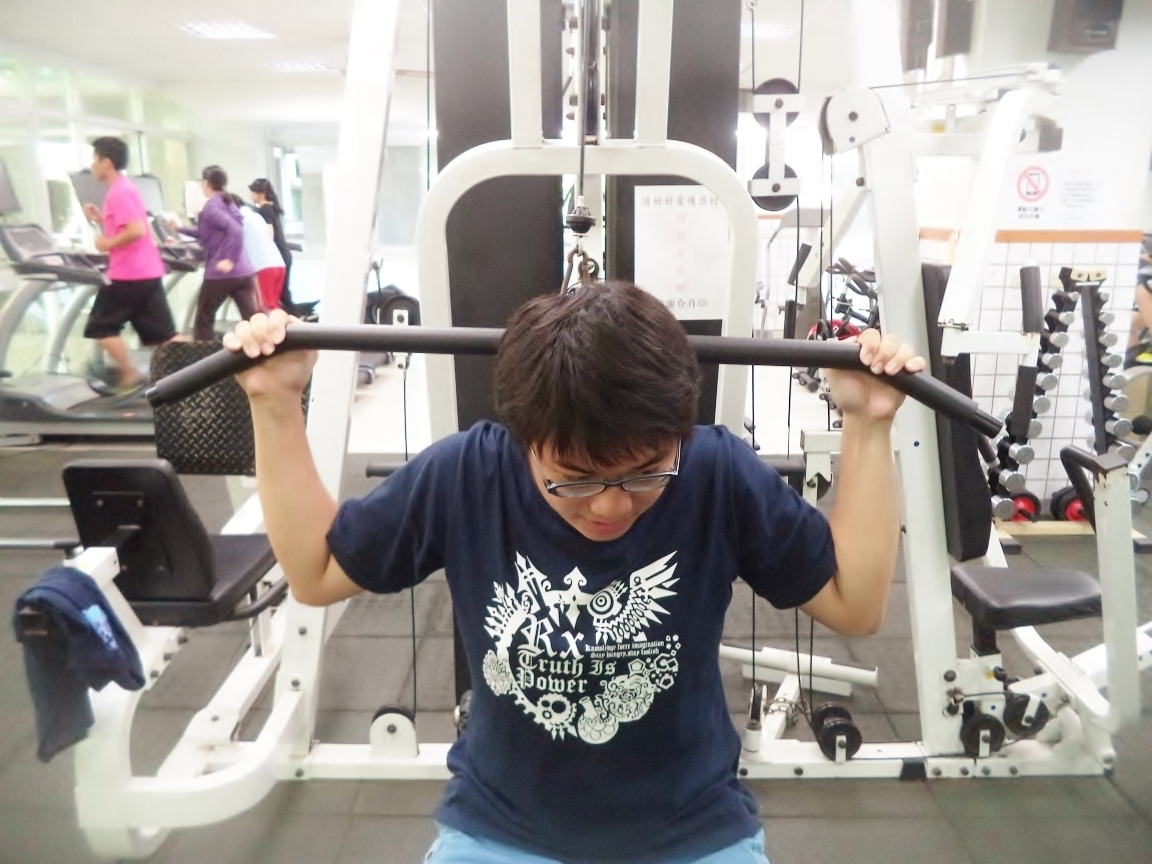
A double-blind trial randomized 30 older men to creatine or placebo while both groups completed 36 resistance-training sessions. The creatine group gained more lean tissue and improved several leg-strength, endurance, and power measures more than placebo. Fat-mass changes were similar between groups.
Because everyone trained, the study supports creatine as an adjunct to a defined program. It does not show that creatine alone builds the same amount of tissue. The loading phase and maintenance dose were based on body weight, which also differs from the simple daily dosing many consumers use.
A second trial included older women and men
In another 14-week randomized, double-blind study, 28 adults over age 65 performed whole-body resistance training three days per week. Participants receiving 5 grams of creatine monohydrate daily gained more fat-free and total mass than placebo and improved some isometric strength outcomes. Both groups improved across many strength and functional tests because the training itself was effective.
This distinction matters for marketing. The correct comparison is creatine plus training versus placebo plus the same training, not the total improvement from baseline. The trial also studied older adults under supervision, so its exact numbers should not be promised to a younger, unsupervised user.

Water, muscle, and fat should be tracked separately
Early increases can reflect water stored with creatine and glycogen. Over months, improved training may contribute to more lean tissue. Neither mechanism is the same as added body fat. Waist measurement, gym performance, training log, photos under consistent conditions, and validated body-composition methods can provide context that a single scale reading lacks.
People intentionally losing weight may be alarmed when the scale stalls after starting creatine. If waist, performance, and adherence are improving, the scale alone can give an incomplete picture. Conversely, creatine should not be used to explain away every weight increase; total energy intake still governs fat gain over time.
Form, dosing, and safety basics
Creatine monohydrate is the most studied form. A loading phase can saturate stores faster but is not required; a consistent smaller daily dose can reach a similar endpoint more gradually. Large single doses may cause gastrointestinal discomfort, and the initial scale change varies among individuals. Specialty forms often cost more without equivalent outcome evidence.
Research and NIH guidance generally support safety in healthy adults at studied doses, but people with kidney disease, pregnancy, or complex medical conditions should seek individualized advice. Choose a product with independent quality testing when possible. The most accurate expectation is improved capacity for repeated high-intensity effort and possibly greater training-related lean mass—not instant muscle or fat loss.
Someone tracking a weight-loss phase can set expectations before starting: weigh under consistent morning conditions, measure the waist weekly rather than daily, and record key lifts. An early increase followed by stable waist and better performance fits a different pattern from steadily rising weight and waist. Hydration should follow ordinary needs rather than forced extremes. If gastrointestinal symptoms occur, splitting the dose or skipping loading may help, but there is no need to tolerate persistent discomfort for a supplement whose main role is to support training quality. Competitive athletes should also use products certified by a reputable sport-testing program to reduce contamination risk.
Sources & further reading
This article provides educational information. Ask a qualified clinician or pharmacist about your symptoms, medical conditions, medicines and supplement interactions.