Protein Powder During Weight Management: Ask What the Shake Replaces
Assess protein shakes by their role in meals, total nutrition, exercise context, and product composition rather than a fat-burning promise.
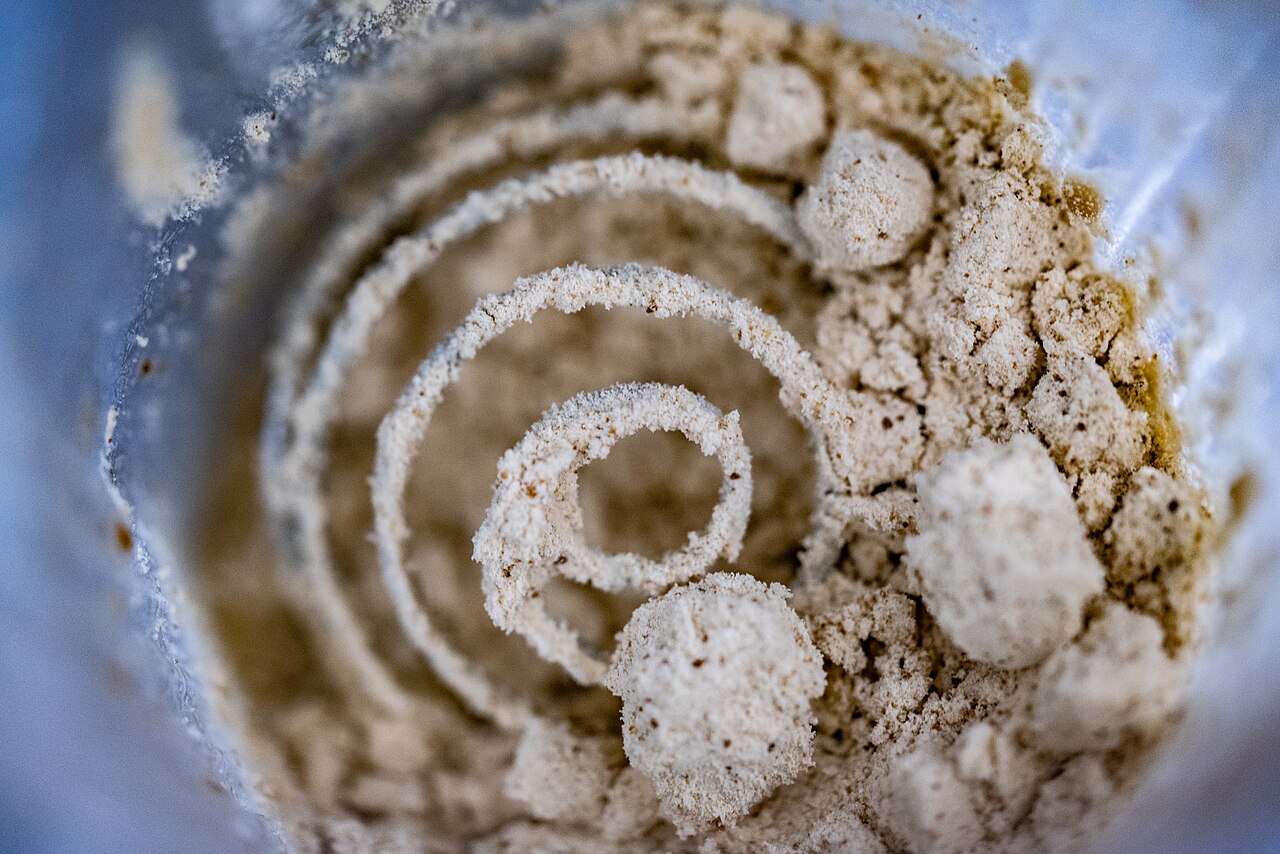
A protein shake is a source of nutrients and energy; its role depends on the eating pattern and activity context, not a universal fat-loss effect.
A shake can serve several different purposes
A protein shake may be a convenient food, an addition after exercise, or part of an organized meal plan. Those uses should not be treated as identical. A person adding a shake to usual meals is making a different change from someone replacing an existing snack, and neither change is fully described by the word protein.
Start with the role the product is intended to play. Is convenience the goal, is dietary protein intake uncertain, or is the product being sold as a weight loss treatment? Clear questions prevent an ordinary nutrition product from being judged by an unsupported promise to burn fat or reshape the body on its own.

What exercise research can and cannot answer
NIH ODS reviews protein as part of exercise and athletic performance, emphasizing the importance of adequate overall nutrition. Findings about training adaptations address a context that includes exercise, food intake, and participant characteristics. They do not establish that any protein powder will cause weight loss independently of the rest of the routine.
When a product cites an athletic study, identify who participated and what they did. A resistance-training result in one population may not answer a different person's question about meal planning. Improved strength, changes in lean mass, and total body weight are distinct endpoints. Report them separately rather than merging them into a general promise about slimming.
Read the complete serving, not just the protein number
The protein amount is only one line on a nutrition panel. A serving can also provide carbohydrate, fat, added ingredients, and a meaningful amount of energy. Preparation changes the total: mixing a powder with water produces a different drink from blending it with milk, nut butter, fruit, and other foods.
Record the actual serving and the ingredients used in the finished drink. Compare that drink with what it replaces, if anything. This simple accounting does not reduce nutrition to a single number; it makes the proposed change visible. A front-label claim about high protein cannot tell the whole story about a daily eating pattern.
Convenience does not establish nutritional completeness
A product marketed as a protein powder may differ from a meal replacement intended to supply a wider range of nutrients. Read the label rather than assuming the categories are interchangeable. Replacing meals repeatedly with a narrowly formulated product raises different nutritional questions from occasionally using a convenient snack.
NIDDK recommends realistic, sustainable eating changes and ongoing support in weight management programs. A dietitian can help evaluate how a shake fits within food preferences, budget, appetite, and nutritional needs. The practical aim is an eating pattern someone can maintain, rather than a rule that every person should add or remove a shake at the same time of day.

Allergies and added ingredients still matter
Protein sources can include milk, soy, peas, or other foods, with different allergy and tolerance considerations. Some sports blends also include caffeine, botanicals, or other performance ingredients. Reviewing only the protein source can miss relevant exposures elsewhere in the formula.
Someone with kidney disease, another medical condition, or a specialized dietary plan should seek individual guidance instead of applying athletic marketing to their circumstances. Bring the label and describe how often the product is used. Product testing may help address identity or contaminants, but such testing does not prove that a powder achieves the weight outcome advertised or that it is necessary for an individual.
Judge the role rather than the marketing category
A useful comparison considers taste, cost, convenience, nutrition, and the evidence for any specific performance claim. Compare products per actual serving, and include the foods added during preparation. If the purpose is convenience, assess convenience directly instead of relying on an unrelated claim about metabolism.
Protein products can be part of a practical routine, but they are not automatically a weight management solution. The better question is what the finished shake contributes and what it displaces. That framing supports a concrete conversation about diet and activity while avoiding the assumption that a higher protein number guarantees a better or more appropriate result for every buyer.
Sources & further reading
This article provides educational information. Ask a qualified clinician or pharmacist about your symptoms, medical conditions, medicines and supplement interactions.