Ashwagandha for Stress: Extract-Specific Benefits and Safety Boundaries
A Sleep & Stress guide to ashwagandha trials, cortisol and questionnaire outcomes, proprietary extracts, short-term safety, and interactions.
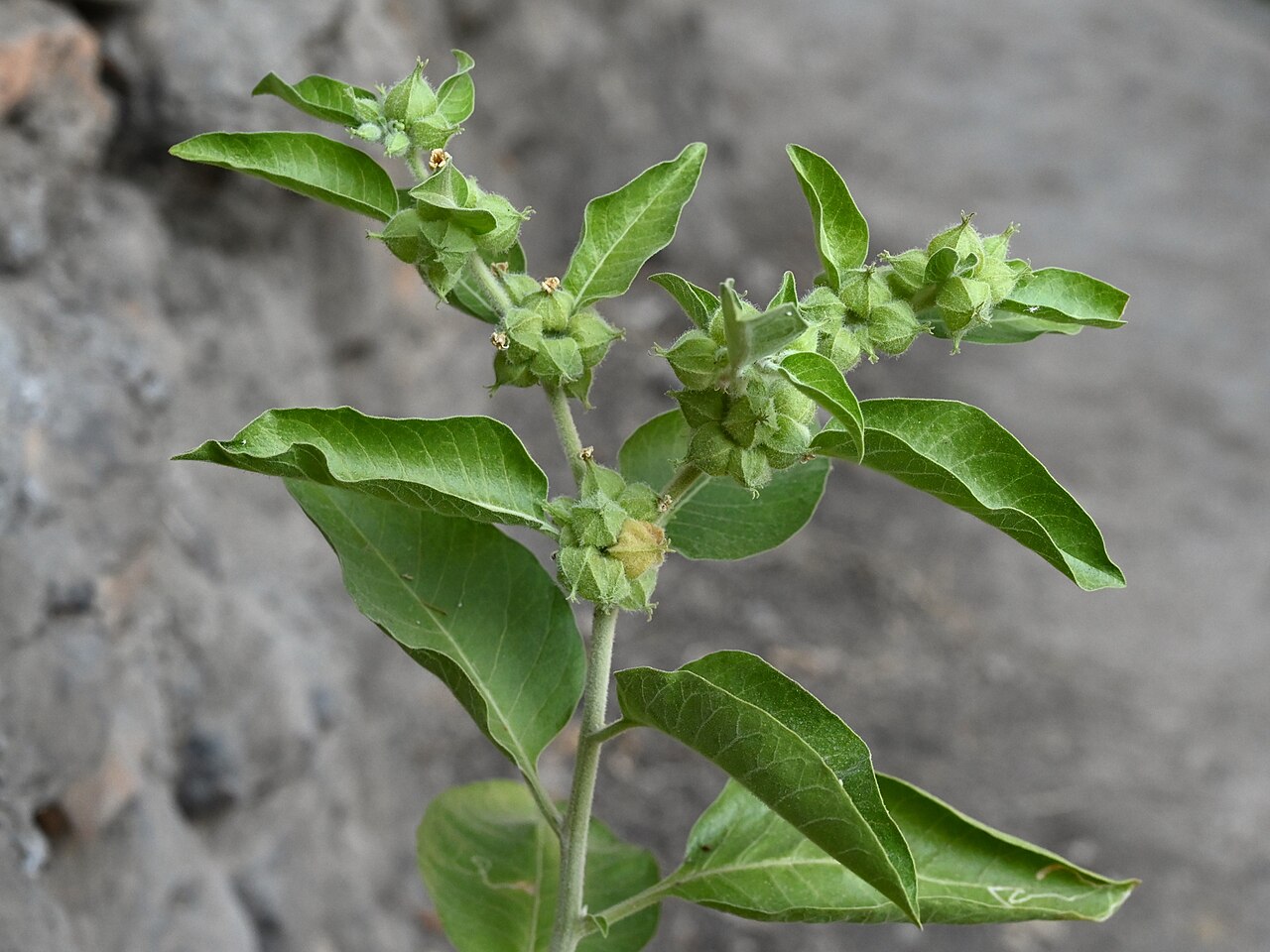
Several short trials report lower perceived stress with specific extracts, but formulations differ and long-term safety is not established.
Stress scores and cortisol answer different questions
Ashwagandha, Withania somnifera, is an Ayurvedic herb marketed as an adaptogen. Trials often measure perceived-stress questionnaires, anxiety scales, sleep ratings, and cortisol. A questionnaire captures lived symptoms; cortisol is a hormone that varies by time, sleep, illness, and sampling. Neither alone proves treatment of an anxiety disorder.
Root-only, root-and-leaf, aqueous, and standardized extracts can deliver different withanolide profiles. The name ashwagandha does not identify one reproducible intervention.
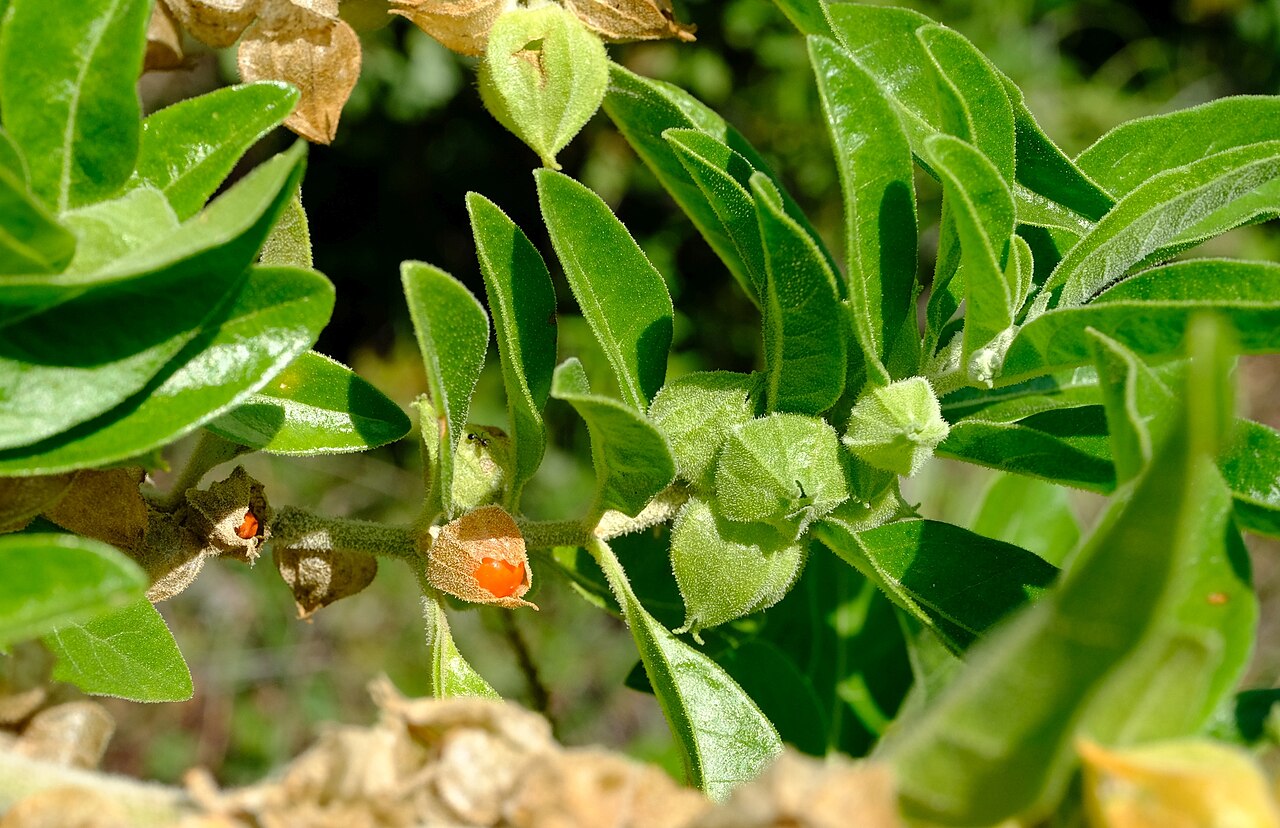
A 60-day trial reported a modest stress signal
A randomized double-blind study assigned 60 stressed adults to 240 milligrams of a standardized extract or placebo for 60 days. The extract group improved more on the Hamilton Anxiety Rating Scale and showed larger reductions in morning cortisol. The DASS-21 difference was near, but did not reach, conventional statistical significance.
All participants completed the study, which is useful, but the sample was small and the product proprietary. A positive result for one extract cannot establish equal efficacy for another preparation with a different dose.
Dose-ranging research also found improvements
Another eight-week trial randomized 60 adults with elevated perceived stress to 250 milligrams, 600 milligrams, or placebo daily. Both active doses improved perceived-stress scores and reduced cortisol, with stronger statistical signals at the higher dose. Sleep quality was also assessed.
Dose-ranging can suggest a gradient, but it does not define the best long-term dose or prove that more is always better. Higher exposure may also increase drowsiness, gastrointestinal effects, thyroid effects, or interaction risk.
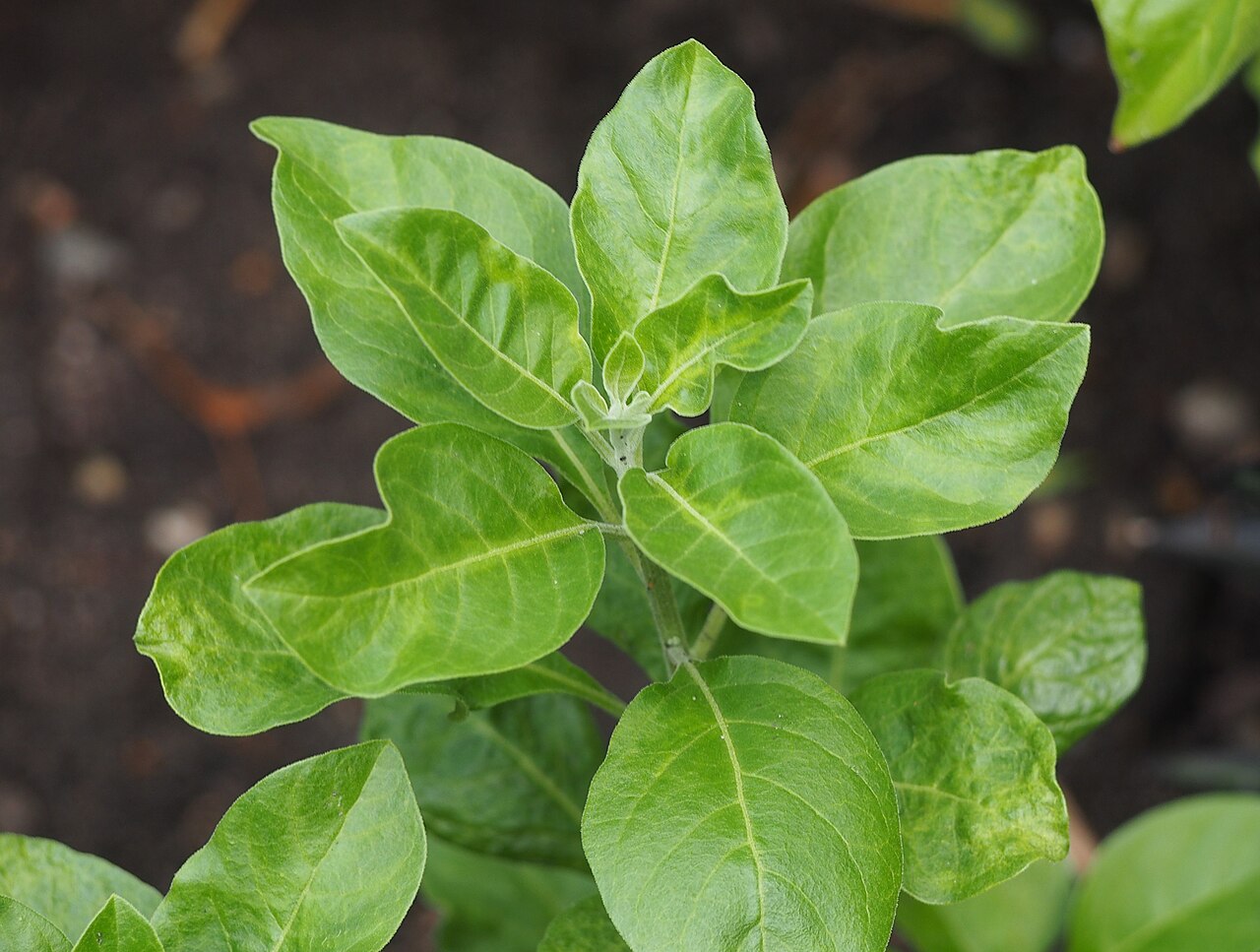
Newer evidence is still preliminary
A 2026 randomized trial tested a low-dose proprietary extract for 28 days in 60 stressed adults. The full analysis showed a small improvement in self-reported stress and attenuated cortisol reactivity during a laboratory stress test, while several secondary physiological outcomes did not differ. The per-protocol stress analysis was directionally similar but not significant.
Short duration and multiple outcomes mean the result should be viewed as preliminary. It adds to a signal for stress, not proof of durable benefit or treatment of clinical anxiety.
NCCIH safety boundaries matter
NCCIH says some preparations may help stress or insomnia, while anxiety evidence remains unclear. Short-term use up to about three months may be safe for many adults, but long-term safety is unknown. Drowsiness, stomach upset, diarrhea, vomiting, and rare liver injury have been reported.
Ashwagandha should be avoided in pregnancy and breastfeeding and is not recommended around surgery or for some thyroid and autoimmune conditions. It may interact with sedatives, anticonvulsants, thyroid hormone, diabetes drugs, blood-pressure medicines, and immunosuppressants. Product-specific evidence and medical context should guide the decision.
Questionnaire improvements should be interpreted against placebo because stress commonly changes with time, attention, sleep, and expectations. A lower score may be valuable without meeting criteria for remission of an anxiety disorder. Trials generally enrolled otherwise healthy adults with self-reported stress, not people with severe depression, panic disorder, trauma-related illness, or suicidal thinking. Those conditions require qualified mental-health care and should not be managed by escalating an herbal product.
If a clinician agrees to a short trial, record the exact extract, withanolide standardization, dose, start date, sleep, and symptoms. Stop and seek advice for jaundice, dark urine, persistent nausea, marked sedation, palpitations, or signs of thyroid overactivity. Do not combine it casually with alcohol, cannabis, sleep medicines, or several calming supplements because additive sedation becomes harder to predict. The evidence is most compatible with a time-limited, product-specific experiment—not indefinite adaptogen use.
Stress management can also include exercise, consistent sleep timing, reduced late caffeine, psychotherapy, workload changes, and social support. Those approaches address causes and can be combined thoughtfully. A capsule may be easier to market, but convenience does not make it the most appropriate intervention. If stress is worsening function, relationships, or sleep for weeks, assessment is more useful than cycling through extracts. Safety deserves equal weight.
Sources & further reading
This article provides educational information. Ask a qualified clinician or pharmacist about your symptoms, medical conditions, medicines and supplement interactions.