Meal Timing and Weight Loss: Does Eating Earlier Make a Difference?
Controlled studies suggest late eating can increase hunger and change metabolism, but timing is one part of a sustainable weight-loss pattern.
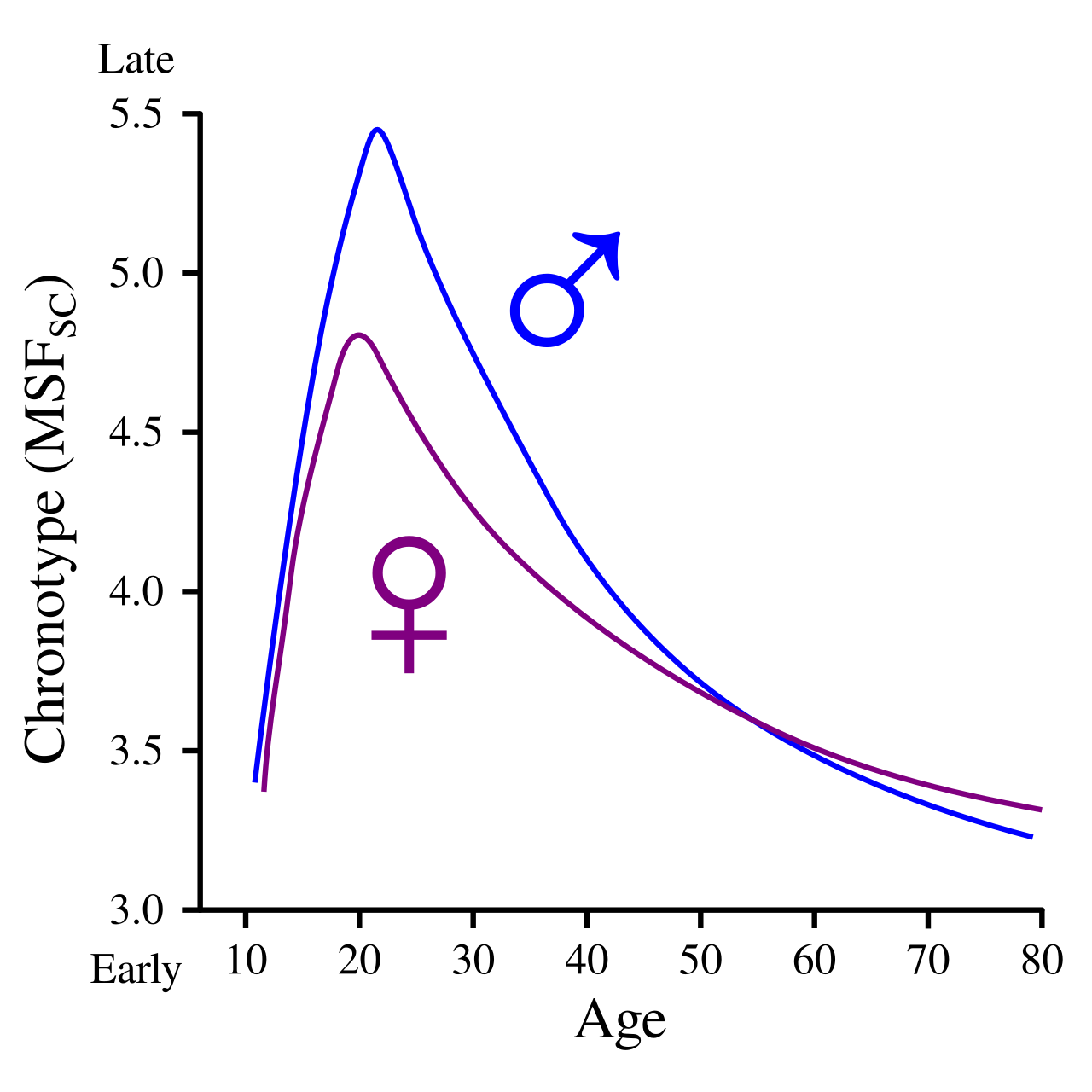
Earlier meals may help some people manage hunger, but total intake, food quality, sleep and schedule still determine whether the routine is useful.
Timing may change how the same meal feels
Two dinners with identical calories can land differently when one is eaten hours later. That idea is more than folklore: the body’s circadian system coordinates sleep, hormones, temperature and metabolism across the day. Researchers are now testing whether moving meals changes hunger and energy use even when food is held constant.
In a randomized controlled crossover trial, 16 adults with overweight or obesity followed early and late eating schedules while calories, food composition, sleep, activity and light exposure were carefully controlled. Late eating increased hunger, shifted appetite-related hormones, reduced daytime energy expenditure and altered gene expression in adipose tissue in directions consistent with greater fat storage.
The laboratory result is a mechanism, not a diet promise
The trial was small and highly controlled. It shows that meal timing can influence short-term physiology, but it does not tell us exactly how much weight a person will lose by moving dinner. Real life includes different food choices, changing sleep and social schedules. A modest metabolic difference can also be overwhelmed by total intake.
The value of the study is that it separates timing from several common confounders. Late eating did not simply mean participants chose richer food or slept less. That makes the biological signal credible while keeping the size and duration of the experiment in perspective.
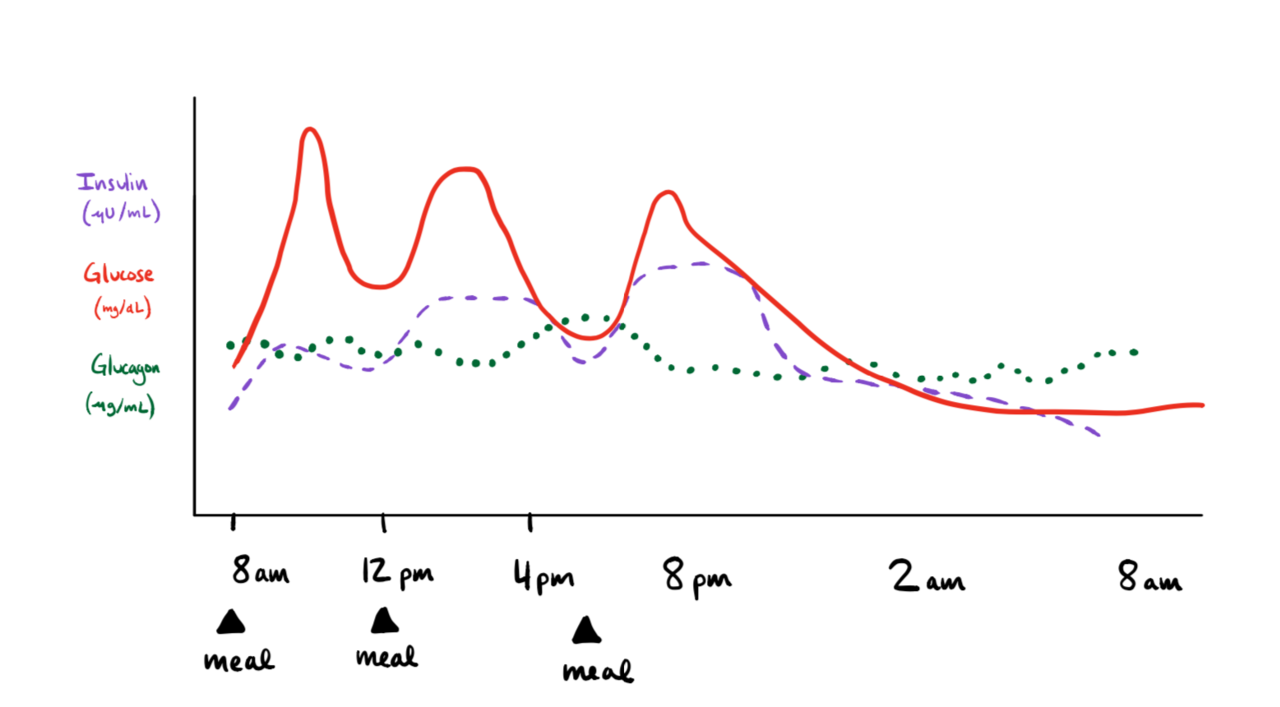
A second crossover trial found lower fat oxidation
Another controlled feeding study delayed all meals by four hours while keeping sleep timing and the length of the eating window constant. Seven adults completed both conditions in a metabolic chamber. Total daily energy expenditure did not differ, but later meals shifted post-meal fuel use toward more carbohydrate and less fat oxidation.
Fuel oxidation over a day is not the same as long-term fat loss. The study was tiny and mechanistic. Still, it supports the idea that when food arrives relative to the body clock can change its immediate handling. That is useful context, not a reason to fear every late dinner.
Try moving calories, not creating a new restriction
If evenings are the time you feel least in control, move one part of intake earlier. A substantial lunch, planned afternoon snack or earlier dinner may prevent arriving at 9 p.m. extremely hungry. Keep the food amount visible so that an earlier meal does not become an extra meal layered onto the same evening routine.
People who train after work may need a different arrangement. A small pre-training snack and a balanced post-training meal can be more sensible than ending all food at 3 p.m. Shift timing around the life you have. The benefit should appear as steadier hunger and an easier plan, not as a rule that creates anxiety.
Keep timing in its proper place
Meal timing is one lever among many. Sleep, food quality, portion size, alcohol, medication and activity can have larger effects. Shift workers may not be able to follow daytime schedules, and people using glucose-lowering medicines should coordinate major changes with a clinician.
For two weeks, choose a consistent dinner range and move one calorie-dense evening habit earlier or remove it. Track hunger at bedtime and the weekly weight trend. If earlier eating helps, keep the structure. If it disrupts training, family life or sleep, adjust it. A useful clock serves the plan; the plan does not serve the clock.
Breakfast is optional, but compensation matters
The evidence does not require everyone to eat breakfast. Some people are comfortable waiting, while others become so hungry that later portions grow. Judge the pattern by the entire day. Skipping a morning meal is not a benefit if it repeatedly leads to uncontrolled evening intake.
A protein- and fiber-containing first meal can be placed when hunger normally begins. Keep it consistent long enough to compare. If moving calories earlier improves concentration and reduces late snacking, that is a useful personal result even without a special metabolic claim. If it simply adds calories, revise the plan.