Time-Restricted Eating for Weight Loss: What the Best Trials Actually Find
Time-restricted eating can simplify some routines, but trials show that eating windows are not magic. Here is how to judge benefits, limits and safety.
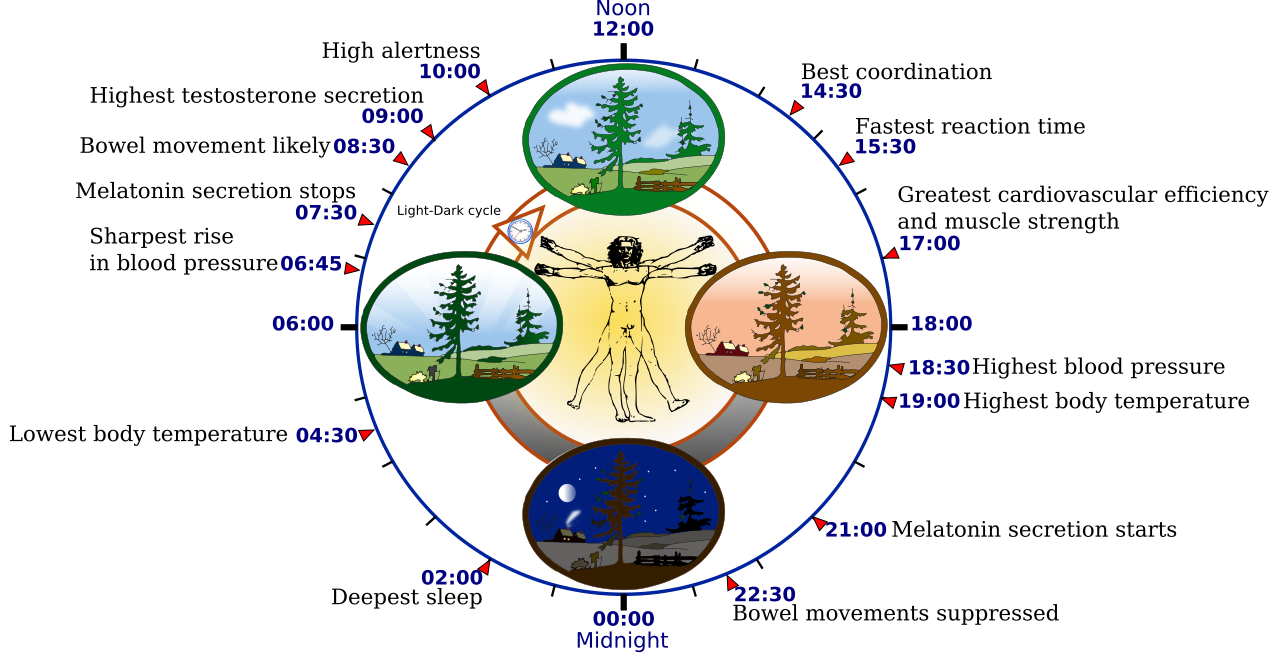
An eating window can be a useful structure for some adults, yet controlled trials show that its weight effect usually depends on helping people eat less rather than on timing alone.
The appeal is less counting, not a special clock trick
Time-restricted eating sounds refreshingly clear: choose a daily window and eat only inside it. For someone tired of logging every bite, that boundary can remove late-night grazing and repeated decisions. The key question is whether the clock itself produces weight loss or whether the window simply changes how much a person eats.
Trials point mostly to the second explanation. In a 12-month study of 90 adults with obesity, an eight-hour window from noon to 8 p.m. and daily calorie restriction both reduced energy intake and body weight compared with control. Weight loss did not differ significantly between the two active groups. The window worked as an alternative structure, not as a superior metabolic shortcut.
Adding a window to calorie restriction did not add much
A larger randomized trial assigned 139 adults with obesity to calorie restriction alone or the same calorie restriction plus eating between 8 a.m. and 4 p.m. After 12 months, adding the eating window did not produce a significantly greater reduction in weight, body fat or metabolic risk factors.
That result matters because both groups received an active weight-loss program. When calorie goals and support are already in place, a time rule may not create extra benefit. It can still help an individual follow the plan, but usefulness and unique biological effect are different claims. A schedule that reduces friction is valuable even when it is not physiologically special.
When calories were held steady, weight stayed similar
A 2024 controlled feeding study gave adults with obesity and prediabetes or diet-controlled diabetes diets with the same calories and nutrients. One group used a ten-hour time-restricted pattern with most calories early; the comparison group ate over a longer window with more food later. After 12 weeks, body-weight change was similar.
This is a strong clue that time restriction does not reliably overcome energy balance. It also explains why free-living studies vary: some people naturally cut snacks or portions, while others fit the same intake into fewer hours. The window is a container. What goes into it still counts.
Choose a window your life can actually hold
If you want to try time-restricted eating, start with a modest 10- to 12-hour window rather than an aggressive schedule. Place it around work, family meals, training and sleep. An earlier finish may reduce evening grazing, but a window that eliminates dinner with family may be hard to sustain. Consistency matters more than creating the narrowest possible interval.
Plan enough protein, fiber, produce and fluids inside the window. A compressed schedule can backfire if it leads to rushed, oversized meals. Hunger, irritability, poor training or sleep disruption are signals to widen or move the window. The aim is a calmer routine, not a contest in going without food.
Know when to involve a clinician
People who use insulin or medicines that can cause low blood sugar should not change meal timing without a prescribing clinician. Pregnancy, breastfeeding, eating-disorder history, frailty and some medical conditions also make unsupervised fasting a poor fit. Children and adolescents need individualized guidance rather than an adult internet schedule.
For other adults, treat the first few weeks as a practical test. Track energy, hunger, sleep and the weekly weight trend. If the boundary makes ordinary eating easier, keep it. If it creates compensation or social strain, another structure may work better. Time-restricted eating is a tool; it is not a requirement for successful weight management.
Separate fasting from sleep loss
A narrow window is not helpful if it pushes meals so late that sleep suffers, or if an early cutoff leaves you awake with hunger. Keep the last substantial meal far enough from bedtime for comfort, but do not sacrifice total sleep to prepare, eat or recover from the schedule. Sleep and meal timing are linked parts of the same routine.
Also expect weekends and travel to test the boundary. Decide in advance whether the window can shift by an hour or whether one social meal simply counts as an exception. Flexible rules that return the next day are often more durable than an all-or-nothing streak.