Resistance Training During Weight Loss: How to Protect Lean Mass
Weight loss can include lean tissue. Learn how resistance training, protein and a sensible calorie deficit can help protect strength and muscle.
Resistance training helps direct a weight-loss plan toward fat reduction while preserving function, but the program must be progressive, recoverable and paired with adequate nutrition.
The scale cannot tell you what was lost
Watching the scale fall can feel rewarding, yet body weight includes fat, muscle, organs, bone, water and stored carbohydrate. During calorie restriction, some lean tissue is often lost along with fat. That matters because muscle supports strength, mobility and the ability to keep doing the activities that help maintain weight.
Resistance training provides a reason for the body to keep muscle. It does not make lean mass perfectly immune to a large deficit, illness or inadequate protein. The realistic goal is to preserve more function and tissue than dieting alone while reducing fat over time.
Randomized evidence supports pairing lifting with diet
In a randomized trial of adults following a structured diet, the group that added resistance training reduced fat while preserving lean mass more effectively than diet alone. The finding fits a broader pattern: muscle responds to repeated mechanical tension, and that signal remains useful even when energy intake is lower.
Another randomized trial in older adults compared resistance training with and without calorie restriction. Both approaches improved physical function, while the calorie-restriction group lost more total weight and fat but also some lean mass. The result is a reminder that training reduces risk; it does not erase every tradeoff of weight loss, especially later in life.
Use a program that is simple enough to progress
Two or three full-body sessions each week are a practical start. Include a knee-dominant movement, a hip hinge, a push, a pull and a loaded carry or trunk exercise if appropriate. Machines, free weights, bands and body-weight movements can all work. The best tool is the one that lets you train target muscles safely through a useful range.
Aim to finish most sets with a few good repetitions still possible. Add a repetition, a small amount of resistance or better control when the current work becomes comfortable. Constant soreness is not proof of progress. A written log makes gradual improvement easier to see than relying on memory.
Protein and deficit size change the odds
Spread protein-rich foods across the day so that several meals contribute, rather than expecting one oversized dinner to do all the work. Needs vary with body size, age, kidney health, food preferences and training. People with kidney disease or other conditions should discuss targets with a clinician or dietitian.
An aggressive calorie deficit can outpace recovery and raise the chance of losing lean tissue. If strength is falling quickly, fatigue is persistent or training quality collapses, the plan may need more energy, more recovery or a slower rate of loss. Faster is not automatically better.
Measure the outcome you actually want
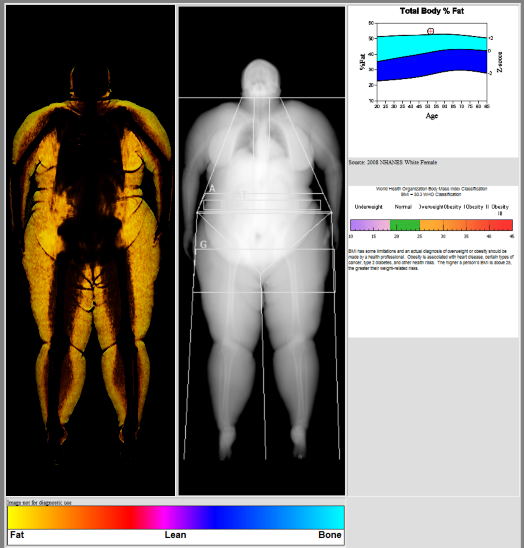
Track a few repeatable strength markers, waist change and the weekly weight trend. Consumer body-fat scales are noisy, and even DXA has measurement limits. The useful question is whether you are becoming lighter while keeping daily function and training performance reasonably stable.
Beginners may gain some muscle while losing fat, so the scale can move slowly despite meaningful change. Let clothing fit, measurements and strength provide context. The practical close is straightforward: schedule two full-body sessions this week, choose manageable movements and record them. Protecting muscle begins with a signal the body can repeat.
Recovery is part of the training dose
Leave at least a day between demanding sessions for the same muscle groups when starting. Walking, easy cycling and mobility work can fit between lifting days without turning every day into a test. Sleep and sufficient food help the muscle adapt to the work already completed.
Sharp pain, chest symptoms, faintness or a sudden loss of function are not ordinary training discomfort. Stop and seek appropriate care. People with significant joint, heart or neurologic conditions may benefit from a physical therapist or qualified exercise professional who can adapt movements. The goal is a program you can still perform months from now. Consistency beats novelty when muscle protection is the goal.