Saffron for Appetite and Weight Loss: Signals Without a Reliable Scale Effect
A guide to saffron and crocin trials, appetite findings, pooled weight results, extract differences, safety, and realistic expectations.
Some saffron trials report appetite changes, but pooled evidence has not shown a dependable reduction in body weight.
Why an expensive spice became a supplement
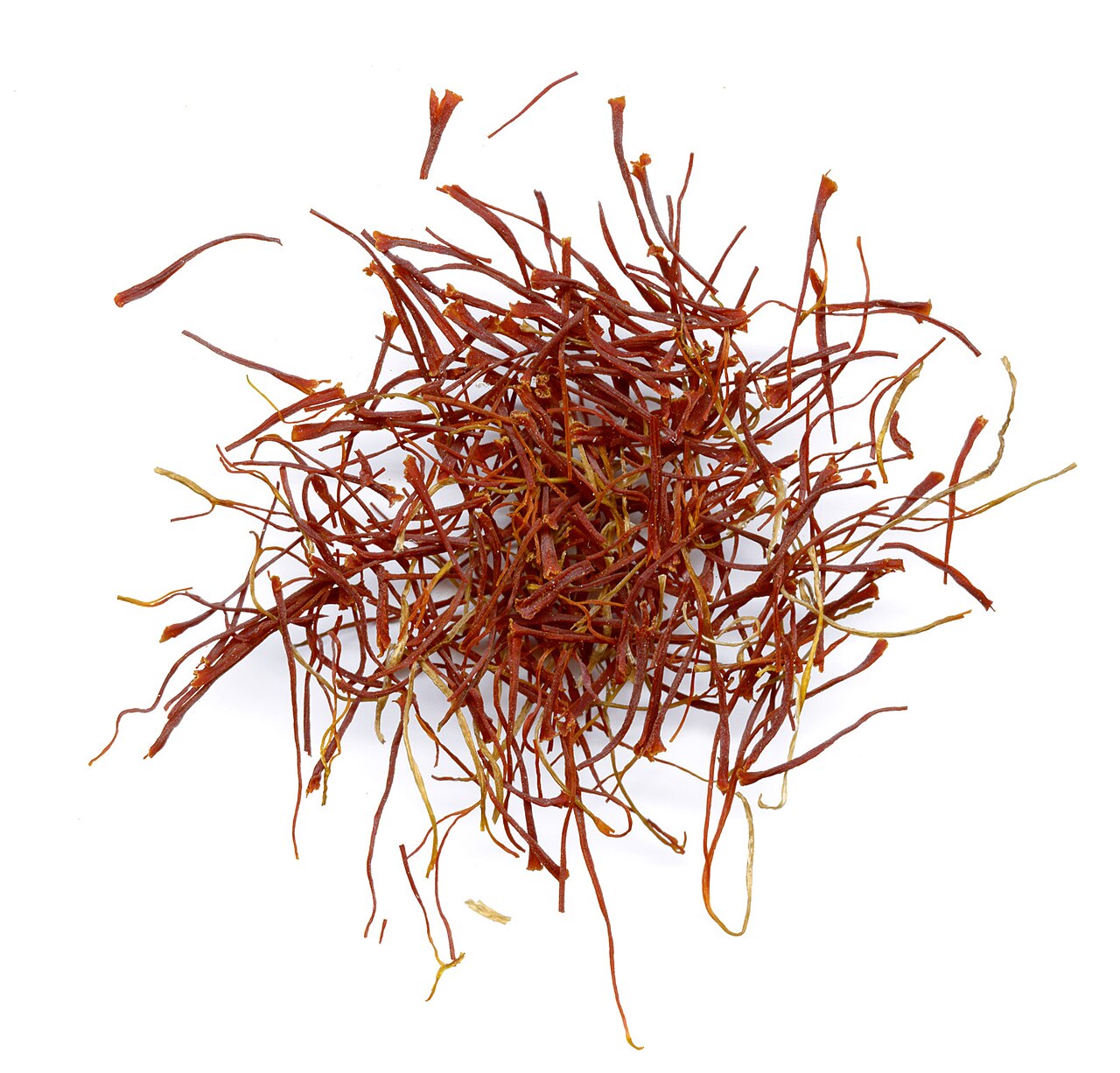
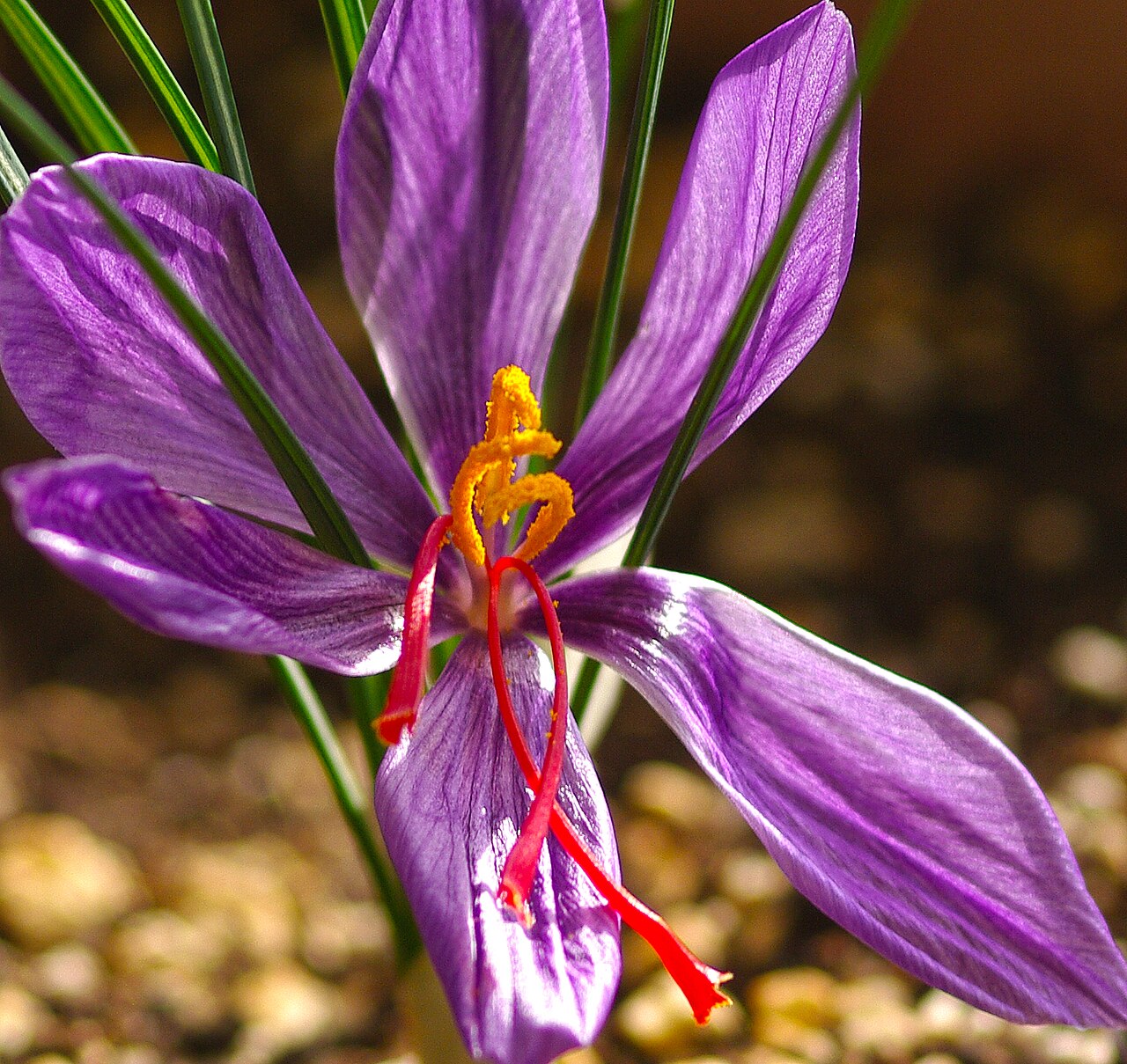
Saffron comes from the stigmas of Crocus sativus flowers and contains compounds including crocin and crocetin. Supplement extracts are promoted for mood, appetite, and weight control, often through a proposed link between emotional eating and serotonin-related pathways. That hypothesis is worth studying, but a change in cravings or snacking does not automatically produce a sustained calorie deficit or clinically meaningful weight loss.
Research products may be aqueous extracts, purified crocin, or proprietary standardized preparations. Their dose and composition can differ greatly from culinary saffron and from one another. Evidence for one extract cannot validate every capsule carrying a saffron picture.
A snacking trial found a behavioral signal
A randomized placebo-controlled study enrolled mildly overweight women and tested a proprietary saffron extract for eight weeks. The extract group reported less snacking and greater satiety and lost more weight than placebo. The result is interesting because behavior was measured directly, but the study was limited to women, used a branded formulation, and lasted only two months.
Self-reported snacking can be influenced by recall and expectations. Even in a blinded study, small samples can produce unstable estimates. The trial supports further research on a defined extract; it does not establish saffron as a general obesity treatment.
A coronary-disease trial studied saffron and crocin
An eight-week trial randomized 84 adults with coronary artery disease to saffron extract, crocin, or placebo. Both active groups showed reductions in appetite and reported energy intake, and the saffron group showed favorable changes in several anthropometric measures. Participants had established cardiovascular disease, so their medications, baseline risk, and clinical monitoring differ from a typical supplement buyer.
The comparison also suggests that whole extract and isolated crocin are not interchangeable. If two preparations produce different outcomes, a label that lists only saffron without standardization leaves an important evidence gap.

Pooled weight outcomes are not convincing
A 2022 meta-analysis combined 25 randomized trials and found no statistically significant reduction in body weight, BMI, waist circumference, or hip circumference. Waist-to-hip ratio improved, but a change in one ratio should not be recast as proven fat loss. Trials varied in population, formulation, dose, and duration.
The pooled finding helps place positive small trials in context. Selective advertising can feature the study with the most favorable number, while a systematic review asks whether the broader pattern is consistent. Here, a reliable scale-weight effect was not demonstrated.
Safety, quality, and a sensible decision
Culinary use is not the same as concentrated supplementation. Saffron may cause nausea, headache, dizziness, or allergic reactions, and high doses may be unsafe. Pregnancy is a reason to avoid medicinal-dose experimentation. People taking anticoagulants, blood-pressure drugs, or psychiatric medicines should seek individualized advice because interaction data are limited.
If saffron is tried, choose a product that discloses extract and dose, avoid stacking several appetite products, and track a concrete outcome over a defined period. The evidence supports cautious interest in appetite effects, not a promise of dependable weight loss.
A useful consumer comparison begins with the outcome. If the goal is less stress-related snacking, a diary of snack episodes and hunger may be more informative than daily scale noise. If the goal is weight loss, use weekly averages under consistent conditions and do not count a temporary water change as fat loss. Keep diet and other supplements stable enough to interpret the result. Starting saffron, caffeine, a new exercise program, and a restrictive diet at once makes both benefit and side effects impossible to assign.
Cost also matters because genuine saffron extracts can be expensive. A small or uncertain appetite effect must compete with practical alternatives such as higher-protein meals, fiber-rich foods, planned snacks, sleep improvement, and behavioral support. Those strategies can be adjusted without relying on a proprietary extract. People with recurrent binge eating or severe food restriction should seek specialized care rather than using an appetite suppressant. The right conclusion is not that saffron can never help, but that the current evidence cannot support a predictable weight-loss promise.
Sources & further reading
- Satiereal saffron extract reduces snacking and increases satiety in a randomized placebo-controlled study ↗
- Saffron and crocin improved appetite and body composition in patients with coronary artery disease ↗
- Effects of saffron on anthropometric and cardiometabolic indices: systematic review and meta-analysis ↗
This article provides educational information. Ask a qualified clinician or pharmacist about your symptoms, medical conditions, medicines and supplement interactions.