Caralluma Fimbriata for Appetite: Mixed Trials and No Reliable Weight-Loss Effect
A guide to Caralluma fimbriata trials, appetite and waist findings, null weight results, extract differences, side effects, and limitations.
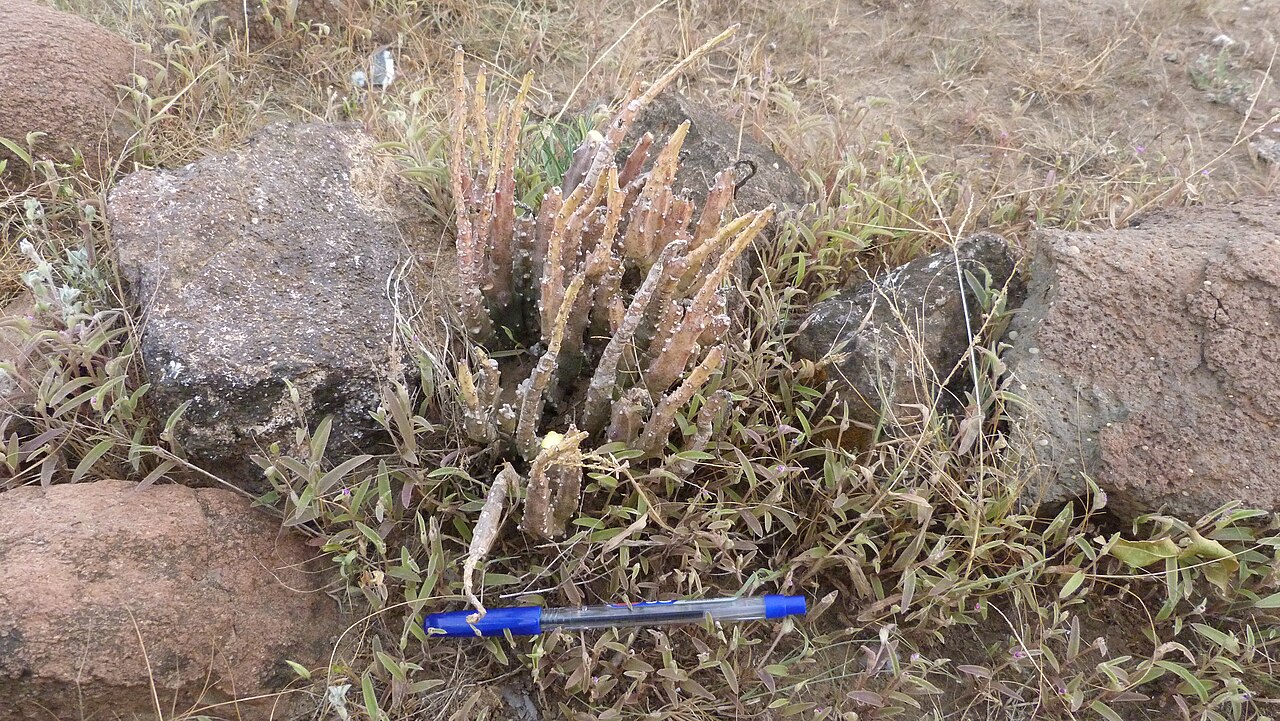
Caralluma trials disagree on appetite and waist outcomes, while pooled evidence does not show significant body-weight loss.
An edible plant with a hunger-control story
Caralluma fimbriata is an edible succulent used in parts of India and marketed as an appetite suppressant. Extracts contain pregnane glycosides and other compounds proposed to influence hunger. Traditional use and laboratory mechanisms can justify testing, but they cannot establish the effective extract, dose, or duration.
Most trials used about 1 gram daily of a standardized or commercial extract. Raw plant, gummies, and blends may not reproduce that composition. Product identity is therefore part of the evidence.

The first adult trial found a waist signal
A randomized placebo-controlled trial assigned 50 adults with overweight to 1 gram of extract or placebo for 60 days while everyone received diet and activity advice. Waist circumference and reported hunger declined more with Caralluma, but body weight, BMI, body fat, hip size, and energy intake did not differ significantly between groups.
A smaller waist outcome can be interesting, yet it should not be converted into proven overall fat loss. Measurement variation and multiple outcomes matter in a 50-person study.
A later 12-week trial was broadly negative
A single-blind randomized trial enrolled 89 adults with overweight or obesity and tested 500 milligrams twice daily for 12 weeks. Weight, BMI, waist, hip, waist-to-hip ratio, and appetite changed only numerically and did not differ significantly from placebo. The extract was generally tolerated, with mild transient adverse events.
This negative result is important because it tested a commercially available product for longer than the original study. Different blinding and extract composition could contribute to the disagreement.
A 16-week study suggested prevention of gain
A double-blind trial completed by 83 adults found lower calorie intake and a smaller waist with Caralluma. The placebo group gained weight and fat, while the extract group remained roughly stable. That pattern is better described as weight-gain prevention in that study than as substantial weight loss.
Participants were predominantly women, and the mechanism remains uncertain. One favorable longer study does not erase the null 12-week trial.
The systematic review is not supportive
A meta-analysis of clinical trials found small reductions in waist circumference and waist-to-hip ratio but no significant effects on body weight, BMI, hip circumference, appetite measures, or metabolic markers. Reported side effects included constipation, diarrhea, nausea, and rash.
The evidence does not support promising dependable appetite suppression or weight loss. Anyone trying a product should match the standardized extract and set a clear stopping point. Persistent GI symptoms or rash outweigh an uncertain, modest waist effect.
Appetite is also multidimensional. Hunger before a meal, desire to snack, fullness after eating, cravings, and restraint are not interchangeable. Trials used different questionnaires and biomarkers, making it difficult to combine them. Leptin and ghrelin concentrations can change without a person eating fewer calories, and self-reported intake can miss foods or portion sizes. A mechanistic marker should not substitute for a meaningful behavioral outcome.
The 16-week study’s contrast between slight loss and placebo gain can sound larger when expressed as prevention. Yet maintenance in one trial does not establish that a person actively trying to lose substantial weight will benefit. Baseline diet, seasonal change, and regression to the mean can influence small shifts. Replication with a prespecified primary weight endpoint is needed.
Consumers should check whether a product provides the same standardized extract and daily amount used in research. Blends with green tea, caffeine, or Garcinia make attribution impossible and may add new risks. If tried despite uncertainty, change only one variable, monitor appetite and waist with consistent methods, and discontinue for rash or persistent GI effects.
Someone experiencing intense hunger during dieting may simply have an unsustainably large calorie deficit. Increasing food volume, protein, fiber, and meal regularity often addresses the cause more directly. Caralluma should not be used to force adherence to a plan that is too restrictive to maintain.
Replication remains necessary.
Sources & further reading
This article provides educational information. Ask a qualified clinician or pharmacist about your symptoms, medical conditions, medicines and supplement interactions.