Guar Gum for Weight Loss: Fullness Does Not Translate Into Reliable Results
A guide to guar gum trials, satiety versus weight outcomes, pooled null results, gastrointestinal effects, hydration, and obstruction risk.
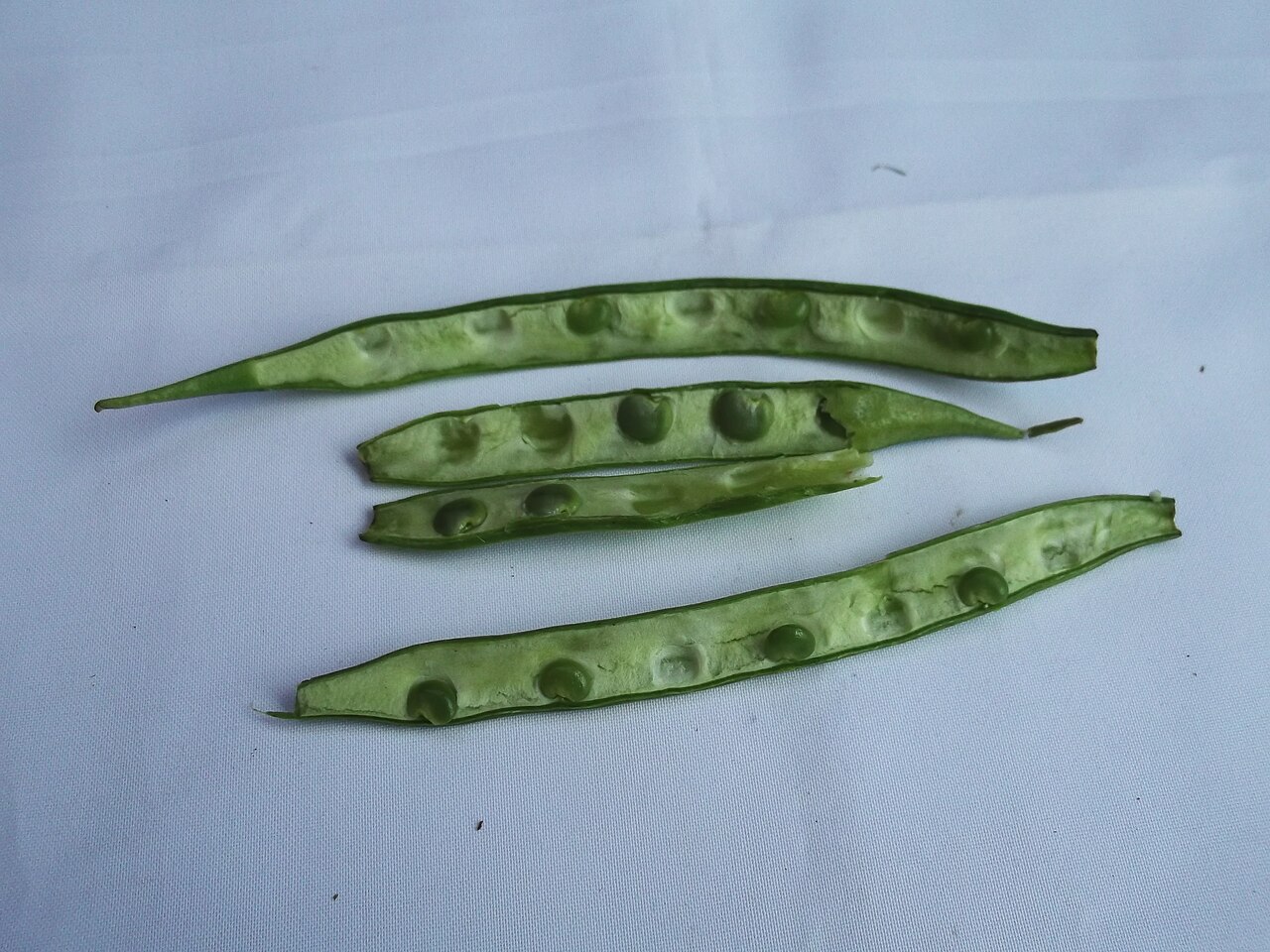
Guar gum can alter fullness and glucose responses, but randomized evidence does not show dependable weight loss and GI effects are common.
A thickening fiber with an appealing theory
Guar gum is a soluble fiber from cluster-bean seeds. It absorbs water and increases viscosity, which can slow gastric emptying and alter post-meal glucose. That makes greater fullness plausible, but appetite ratings, snack frequency, calorie intake, and body weight are separate outcomes. Improving one does not ensure improvement in the others.
Forms also differ. Partially hydrolyzed guar gum is less viscous than intact gum and may be easier to tolerate. Trials using 10 to 30 grams daily cannot validate a much smaller amount hidden in a blend.

Individual trials have not told one story
A 1980 double-blind trial in middle-aged women with high cholesterol reported weight loss with 15 grams of guar gum daily while control groups remained stable. Later studies did not consistently reproduce that pattern. A six-month placebo-controlled trial in menopausal women found no change in body weight or blood pressure.
Another randomized trial added modified guar gum to a low-energy meal and examined appetite and weight loss. Such formulations and meal-replacement settings differ from sprinkling fiber onto a normal diet. Early positive trials need replication in comparable designs.
A diabetes trial changed waist, not weight
A randomized clinical trial gave 44 adults with type 2 diabetes and metabolic syndrome 10 grams of partially hydrolyzed guar gum daily or usual diet alone for six weeks. Waist circumference and several metabolic markers improved within the intervention group, while body weight did not show a supplement-driven reduction.
The participants had established diabetes and metabolic syndrome. Their result cannot be generalized to healthy adults, and a waist change measured over weeks should not be presented as proven total-fat loss.

Meta-analysis gives the clearest weight answer
A meta-analysis identified 20 randomized, double-blind, placebo-controlled trials and pooled 11. The average weight difference was essentially zero. Gastrointestinal adverse events were common, and some participants withdrew because of them. A newer review likewise found no effect on body mass, despite possible glycemic effects in diabetes.
Pooled null results are more persuasive than one older positive experiment because they test whether the pattern repeats. Guar gum may be useful for other dietary purposes, but that does not make it an effective weight-loss supplement.
Hydration and obstruction risk matter
Guar gum can cause gas, cramps, nausea, diarrhea, and frequent stools. Highly swelling fiber taken with insufficient liquid can create choking or obstruction risk, particularly for people with swallowing problems or gastrointestinal narrowing. Product instructions for mixing and fluid are safety requirements, not optional suggestions.
Fiber can also affect medication timing and glucose control. Anyone with diabetes or prescription medicines should ask a pharmacist or clinician about spacing and monitoring. The evidence does not support enduring substantial GI burden for a weight effect that averages near zero.
Satiety research can still be useful without proving weight loss. A person may find a fiber-containing meal more filling, but later intake can compensate and erase the calorie difference. Laboratory appetite scales also do not measure months of adherence. This explains how guar gum can alter meal responses while pooled body weight remains unchanged. The scale outcome integrates many compensations that a short fullness rating misses.
Whole foods offer viscosity and fiber with more nutrition. Oats, legumes, fruit, vegetables, and seeds may provide protein, micronutrients, or texture that an isolated gum does not. A small amount of guar gum used to improve food structure is different from swallowing large therapeutic doses. The latter should not be assumed safe merely because guar appears in ordinary foods.
When fiber is added for bowel or glucose goals, increase gradually and define success in those terms. Do not recast improved stool consistency or a lower post-meal glucose peak as evidence of fat loss. Each outcome deserves its own claim, dose, and monitoring plan.
A fullness claim cannot replace a weight endpoint.
Sources & further reading
This article provides educational information. Ask a qualified clinician or pharmacist about your symptoms, medical conditions, medicines and supplement interactions.