Can More Sleep Help With Weight Loss? A Practical Evidence Guide
A randomized sleep-extension trial found lower calorie intake in short sleepers. Here is what that means—and how to build a realistic sleep plan.
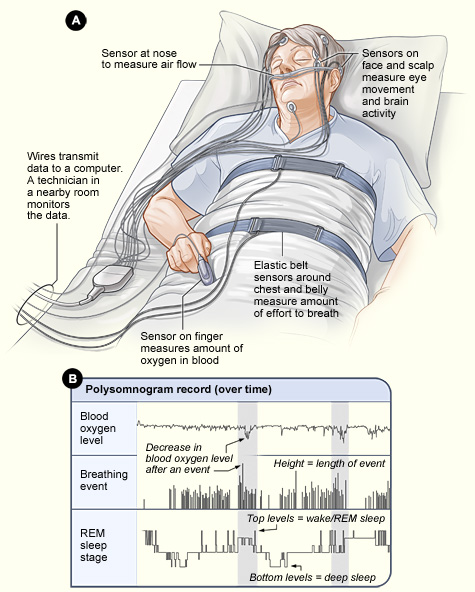
For adults who routinely sleep too little, extending sleep may reduce appetite pressure and support weight management, but it is an adjunct rather than a stand-alone treatment.
Sleep can change the difficulty of the day
A short night does more than create yawns. It can make convenient food more appealing, shrink patience for planning and leave exercise feeling harder. That is why sleep deserves a place beside food and activity in weight care—not as a fat-burning hack, but as a condition that can make other choices easier or harder.
The most informative modern trial enrolled 80 adults with overweight who usually slept less than 6.5 hours. After baseline monitoring, half received an individualized counseling session designed to extend time in bed; the others continued their usual sleep. Participants were told to keep their normal diet and activity rather than follow a weight-loss plan.
The randomized trial measured calories unusually well
The sleep-extension group added about 1.2 hours of sleep per night and consumed roughly 270 fewer calories per day than controls over two weeks. Energy intake was not estimated from food diaries. Researchers used doubly labeled water, daily weights and body-composition measures to calculate it, which reduces common reporting error.
The intervention was small—a personalized sleep-hygiene conversation—but the result was not a guarantee of steady long-term loss. The study was short, involved younger adults with overweight rather than all age and health groups, and did not prescribe a diet. It shows a promising behavioral effect that needs longer confirmation.
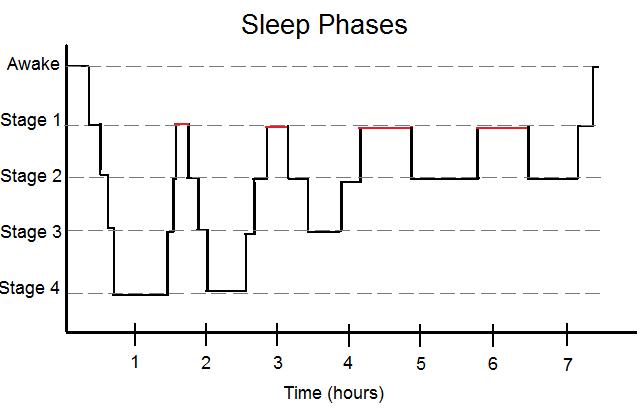
An earlier NIH trial shows why long studies are hard
An earlier randomized prospective NIH study was designed to test sleep extension in adults with obesity over a much longer period. Its published protocol and feasibility work illustrate the challenge: sleep habits are embedded in schedules, caregiving, work and health conditions. Simply advising eight hours does not create eight hours.
That context matters when applying the newer trial. The benefit is most plausible for someone whose sleep opportunity is genuinely short and can be expanded. A person already spending enough time in bed but waking from pain, hot flashes, breathing problems or insomnia needs the cause addressed rather than a generic earlier bedtime.
Build sleep opportunity before chasing perfection
Choose a consistent wake time, then move bedtime earlier by 15 to 30 minutes for a week. Create a short wind-down that replaces one stimulating task: dim lights, finish work, silence nonessential alerts and prepare the room. Caffeine late in the day and alcohol near bedtime can reduce sleep quality even when total time in bed looks adequate.
Track the result with simple questions. Are mornings easier? Is afternoon hunger less intense? Are evening snacks still driven by fatigue? Wearables can estimate patterns, but they do not diagnose sleep disorders and can make some people anxious. Use the least complicated measurement that helps.
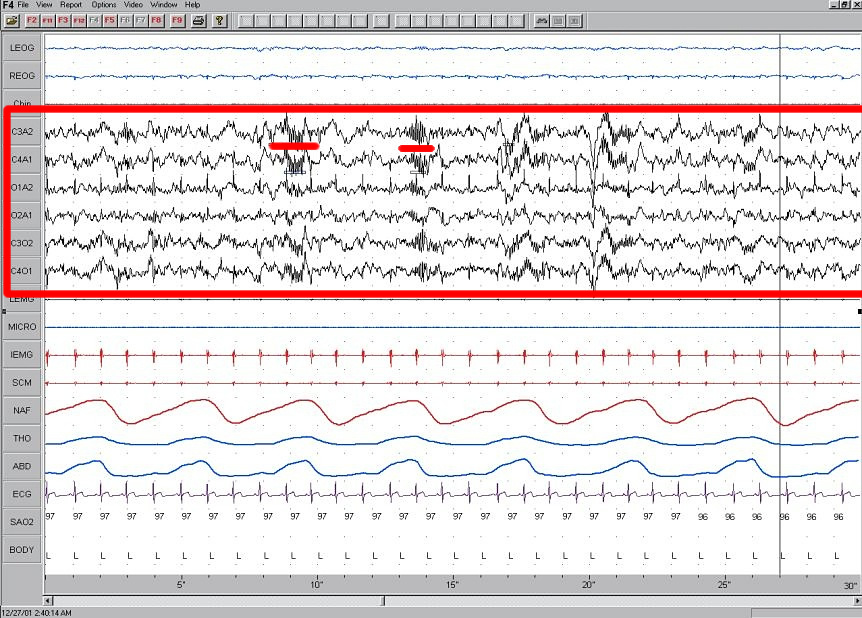
Know when sleep needs medical attention
Loud snoring, gasping, witnessed breathing pauses, morning headaches or severe daytime sleepiness can point to sleep apnea, which is common in people with higher body weight. Insomnia that persists despite enough opportunity also deserves evaluation. Treating a sleep disorder is not the same as extending sleep in a healthy short sleeper.
Keep the practical close modest: protect an extra half-hour, observe hunger and energy for two weeks, and coordinate care if symptoms suggest more than a busy schedule. Better sleep may remove one headwind from weight management. It does not replace nutrition, activity, medication when appropriate or compassionate support.
Make the bedroom support the goal
A dark, quiet and comfortably cool room can protect the extra time you create. Put the phone where it is not the last object touched at night and the first object checked after a brief awakening. If noise or light is unavoidable, simple barriers such as earplugs or an eye mask may help.
Keep expectations realistic when work shifts, caregiving or menopause affects sleep. The answer is not self-blame. Look for the smallest controllable improvement and seek treatment for persistent symptoms. A sleep plan succeeds when it creates more rested days, not when a tracker awards a perfect score.