Weight Change and Women’s Sexual Health: What the Evidence Can—and Can’t—Say
Lifestyle trials found improvements in some sexual-function measures for selected women, but desire and satisfaction are never explained by weight alone.
Lifestyle change may improve some aspects of sexual function in selected women, but sexual health is multifactorial and care should never be conditional on weight loss.
Sexual well-being is broader than a number
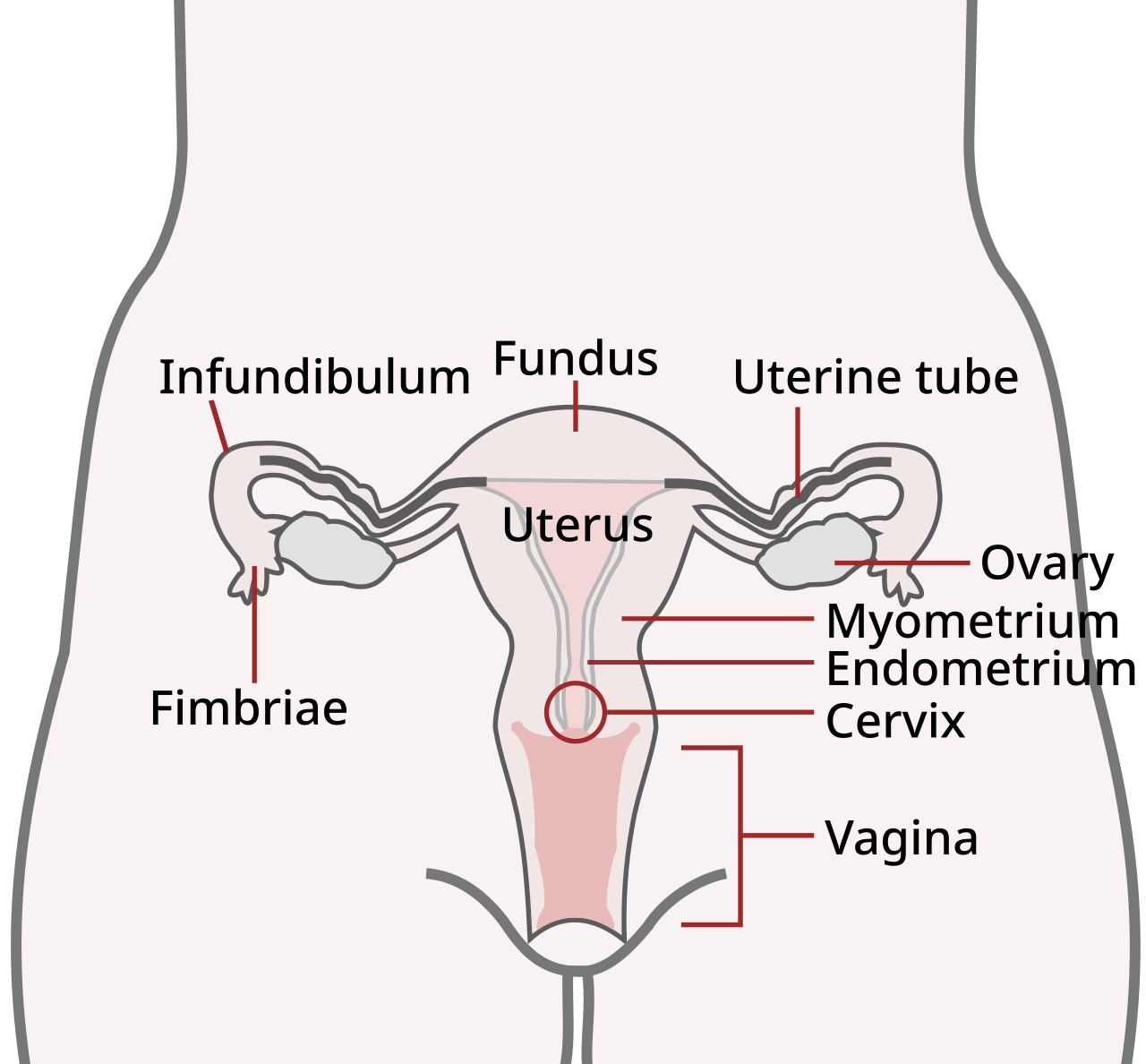
Desire, arousal, lubrication, comfort, orgasm and satisfaction are related but distinct. They can change with hormones, blood flow, pain, sleep, mood, medication, relationship context and life stage. Body image and weight stigma can also affect well-being. No single scale number can diagnose the cause.
Research on lifestyle change is useful when read carefully. It asks whether a program can shift average questionnaire scores in a selected group. It does not prove that weight caused each concern, and it does not make weight loss a prerequisite for respectful evaluation or symptom relief.
The Look AHEAD trial found benefits in a specific group
An ancillary study within the randomized Look AHEAD trial included women with type 2 diabetes and overweight or obesity. After one year, intensive lifestyle participants lost more weight than those receiving diabetes support and education. Among women who had sexual dysfunction at baseline, the intensive group was more likely to remain sexually active, improve questionnaire scores and no longer meet the study’s dysfunction threshold.
Women without dysfunction at baseline did not show the same pattern. The result applies to a group with diabetes in a structured program, not to every woman seeking weight loss or sexual-health care.
A five-year follow-up showed a mixed picture
Another trial randomized 577 women with obesity and infertility to a six-month lifestyle program before fertility treatment or to prompt treatment. At follow-up more than five years later, a subset completed sexual-function measures. The intervention group reported more frequent intercourse, better lubrication and a higher overall score among those reporting intercourse.
Sexual interest, satisfaction and orgasm did not differ significantly. Only part of the effect was statistically linked to change in physical activity. The selective follow-up and special infertility context limit generalization, but the mixed result is valuable: sexual function can improve in some domains without every domain moving together.
Start with the symptom, not an assumption
Pain with sex, bleeding, new dryness, pelvic-floor symptoms, medication changes or a sudden loss of desire deserve direct assessment. Menopause, postpartum changes, diabetes, depression, thyroid disease and several medicines can contribute. A clinician may discuss lubricants, moisturizers, pelvic-floor therapy, medication review or other treatments depending on the cause.
Lifestyle goals can remain positive and specific: movement that feels good, enough sleep, food that supports glucose and vascular health, and a weight plan that avoids shame. Improvement in fitness or mood may matter even if body weight changes slowly.
Keep a libido supplement in its proper category
Flirty Time by Liva is sold as a women’s libido gummy. That makes it relevant to a discussion of consumer options, but the finished product was not tested in the lifestyle trials cited here. Ingredient evidence cannot be converted into a guaranteed product outcome, and a supplement should not delay evaluation of pain, bleeding, mood changes or medication effects.
Review the current label, serving size, ingredient amounts, subscription terms and interactions before purchase, especially during pregnancy, breastfeeding or use of prescription medicines. Then make the practical next step symptom-led: write down what changed, when it began and what would count as meaningful improvement. A clear description opens more useful options than forcing a complex experience into a weight-loss story.
Use language that keeps care specific
At an appointment, describe the domain that changed: desire, arousal, lubrication, pain, orgasm, satisfaction or frequency. Note whether the change is general or situation-specific and whether it began with menopause, childbirth, a new medicine, illness or relationship stress. Specific language helps avoid a vague recommendation to lose weight.
If a clinician dismisses pain or another concern solely because of body size, a second opinion may be appropriate. Weight-inclusive care can address cardiometabolic risk without making respect or symptom treatment conditional. The practical aim is a plan matched to the actual concern, with lifestyle support added where it is genuinely helpful. Track comfort and quality of life alongside any laboratory or weight outcome, because those are legitimate treatment goals in their own right.