Hoodia for Appetite Control: The Human Trial Found Risk Without Weight Loss
A guide to Hoodia gordonii, its only controlled weight trial, blood-pressure and liver-marker concerns, and commercial product identity.
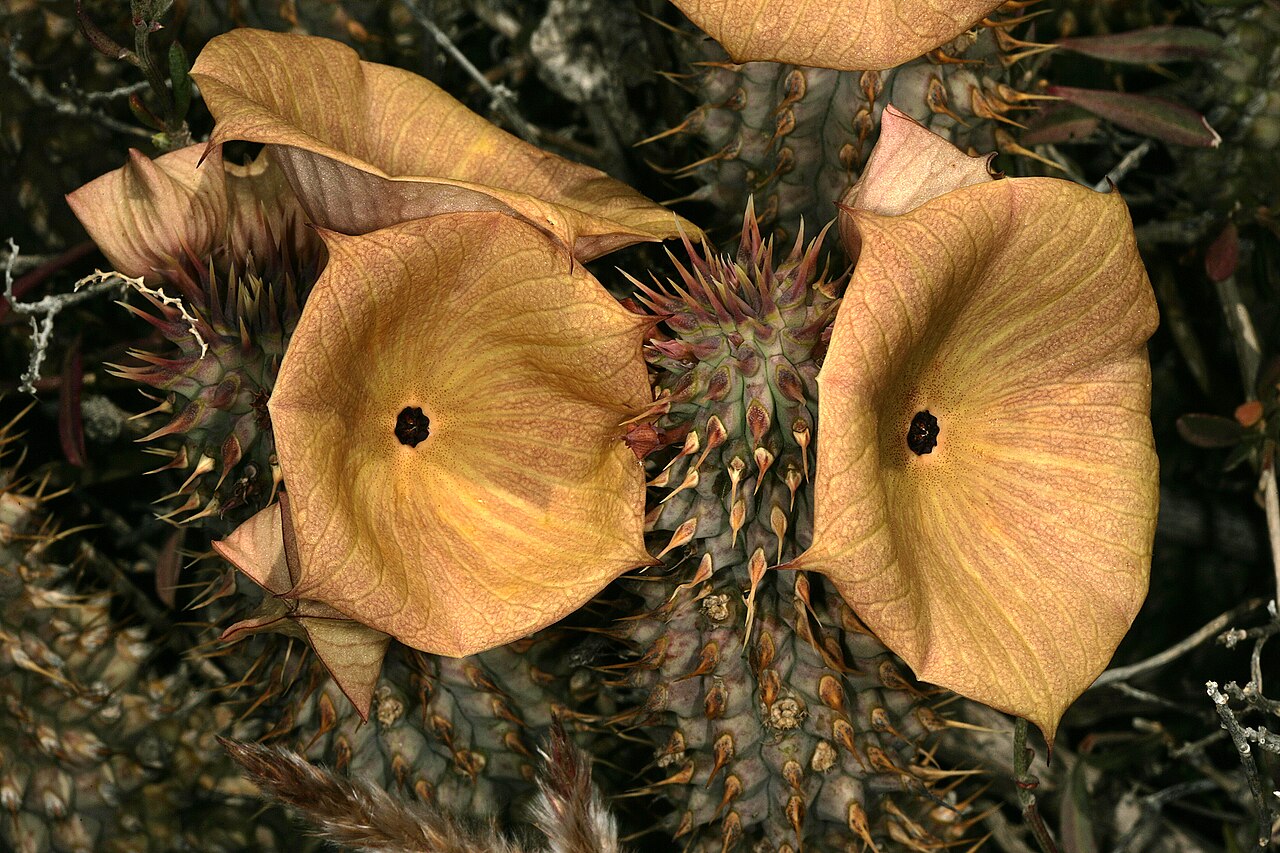
The only controlled human trial found no appetite or weight benefit and raised tolerability and cardiovascular concerns.
Traditional use became a modern claim
Hoodia gordonii is a succulent from southern Africa. Stories that Indigenous San hunters used hoodia to suppress hunger helped turn the plant into a commercial appetite-control ingredient. Traditional use can identify a research question, but it does not establish an effective dose, a standardized extract, or safety for repeated use by people seeking weight loss.
Products have promoted the pregnane glycoside P57 as an active marker, although hoodia chemistry is more complicated than one compound. A bottle labeled hoodia may contain a different species, a weak extract, or a mixture whose composition does not resemble the preparation tested in people.
The controlled trial was short but revealing
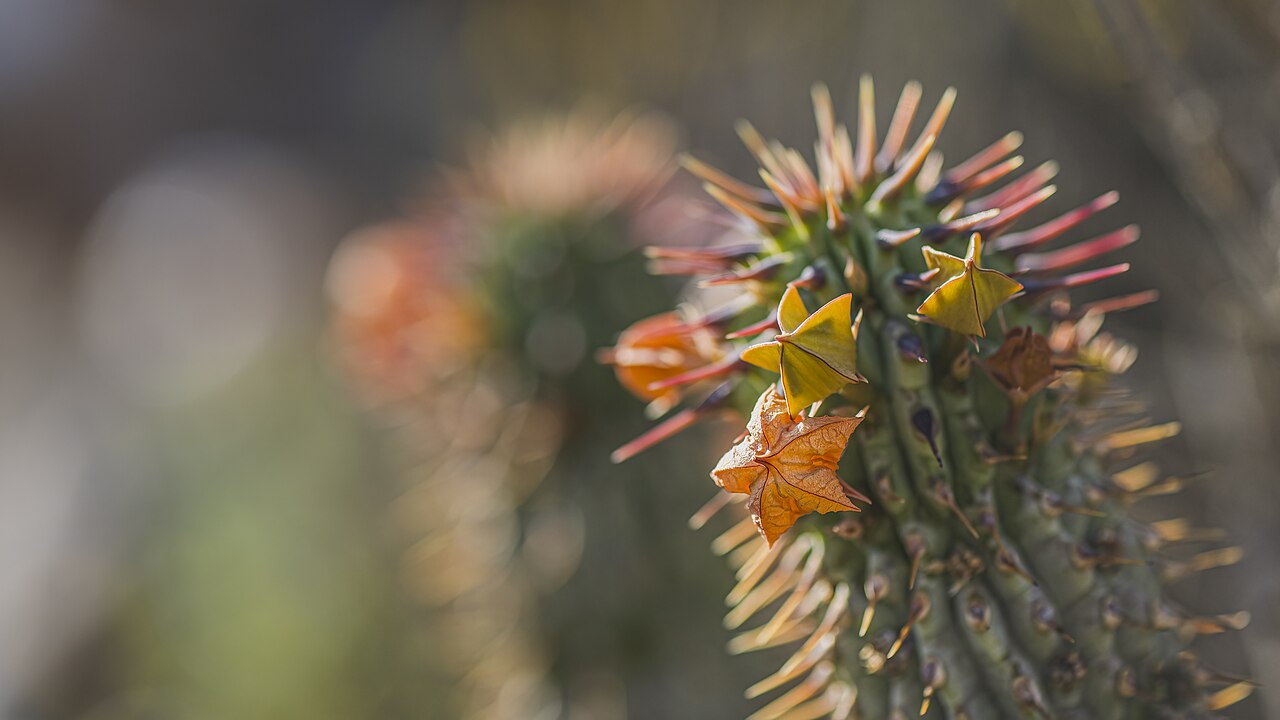
The main randomized controlled human study enrolled 49 healthy women with overweight. Participants lived in a clinic and received either a purified hoodia extract or placebo in yogurt drinks twice daily for 15 days. Standardized menus were available without a prescribed calorie limit, allowing investigators to measure spontaneous food intake under controlled conditions.
Hoodia did not significantly reduce energy intake, body weight, or body-fat percentage compared with placebo. A tightly controlled setting can detect eating differences that are difficult to measure in daily life. Finding no benefit there weakens the case for confident retail appetite claims.
Safety signals were more prominent than efficacy
The hoodia group had more nausea, vomiting, and altered skin sensations. Blood pressure, pulse, heart rate, bilirubin, and alkaline phosphatase increased, and electrocardiogram measures also changed. The trial was not long enough to determine chronic risk, but these changes make it inappropriate to describe hoodia as harmless because it is botanical.
NCCIH concludes that only one small human study is available and that it raised safety concerns. People with cardiovascular disease, high blood pressure, liver disease, pregnancy, or interacting medicines have especially little reason to experiment with an inadequately studied extract.
Commercial identity is another evidence gap
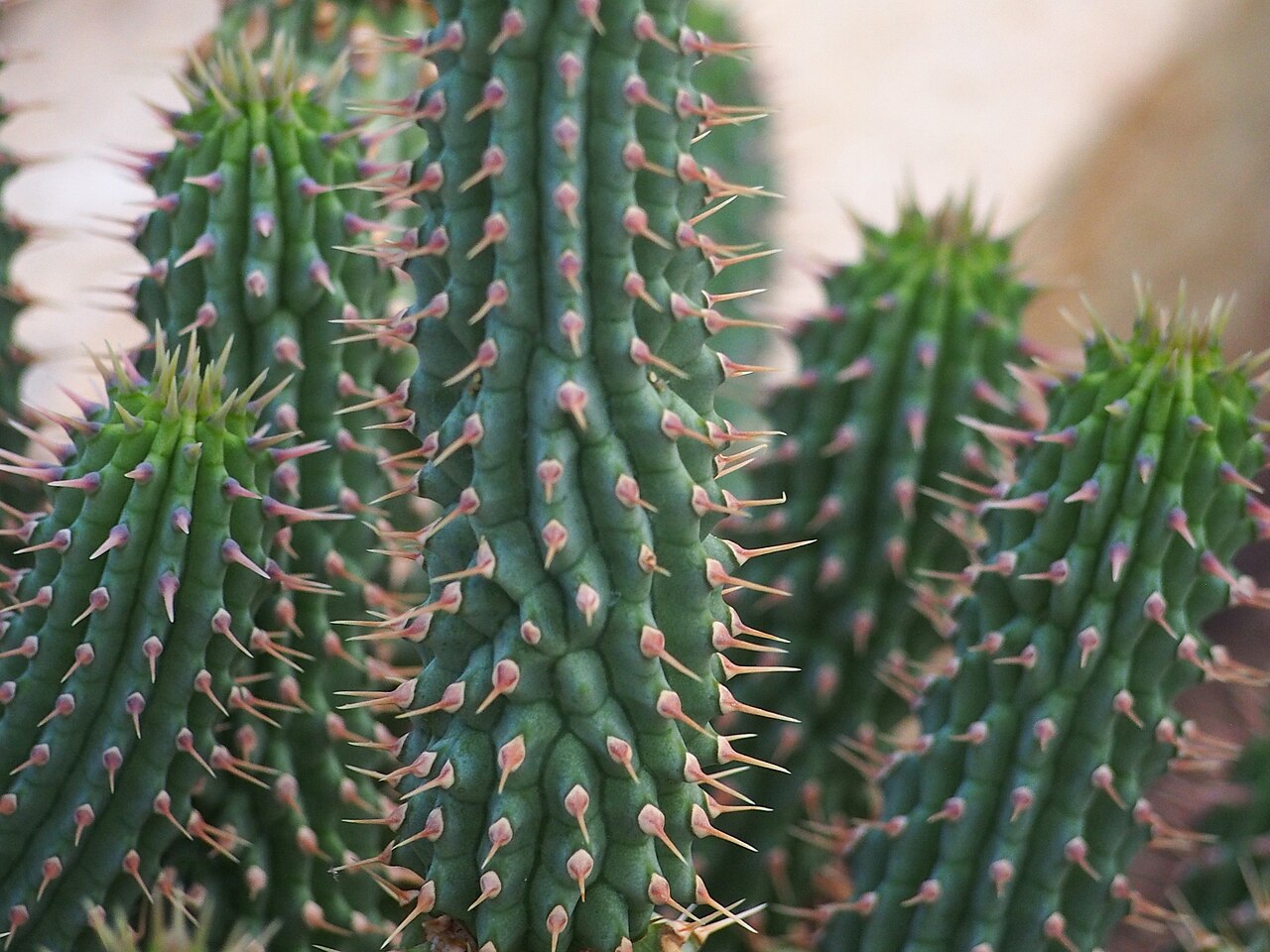
Primary laboratory studies have used nuclear magnetic resonance and chromatographic fingerprints to distinguish hoodia species and inspect marketed supplements. Investigators found that analytical authentication is necessary because finished products come in capsules, teas, gels, sprays, foods, and other matrices. A plant name on the label is not chemical confirmation.
Even an authentic product would still face the negative efficacy trial. Quality testing can show that the bottle contains hoodia; it cannot prove that hoodia reduces appetite. Purity and effectiveness answer different questions.
How to judge a hoodia advertisement
Look for a direct citation to a randomized human trial, then check the outcome. Animal feeding studies and traditional narratives do not override the human result. Testimonials cannot separate the supplement from diet changes, expectations, water shifts, or selective reporting. Claims of rapid appetite shutdown are especially difficult to reconcile with the controlled study.
Given the absent benefit signal and measurable adverse changes, hoodia has an unfavorable evidence balance for weight management. Sustainable eating strategies and evidence-based obesity care offer better-defined benefits and risks. A consumer should not need to accept uncertain blood-pressure and liver-marker changes for an unproven appetite effect.
The dose in the human study was substantial: 1,110 milligrams twice daily of a purified extract. A retail product supplying a much smaller or chemically different amount cannot claim that the trial tested its formula. More importantly, matching the dose would not solve the problem because the tested extract failed on efficacy and produced unwanted physiological changes. Increasing exposure after a negative trial is not a rational way to search for benefit.
People who feel desperate for appetite control may be especially vulnerable to “ancient secret” framing. Persistent hunger can reflect an overly restrictive diet, inadequate protein or fiber, poor sleep, medication effects, diabetes, or binge-eating patterns. Identifying the cause is safer than suppressing signals with an uncertain botanical. Hoodia’s current research record supports avoidance, not a self-directed trial.
The controlled evidence points in the opposite direction.
Sources & further reading
This article provides educational information. Ask a qualified clinician or pharmacist about your symptoms, medical conditions, medicines and supplement interactions.