Weight Loss and Endothelial Function: What Blood Vessels May Gain
Weight loss may improve some measures of blood-vessel function, but flow-mediated dilation results vary by study and intervention.

Weight loss can improve several cardiovascular risk markers, but endothelial test results are mixed and should not be treated as a guaranteed outcome.
The lining that helps vessels respond
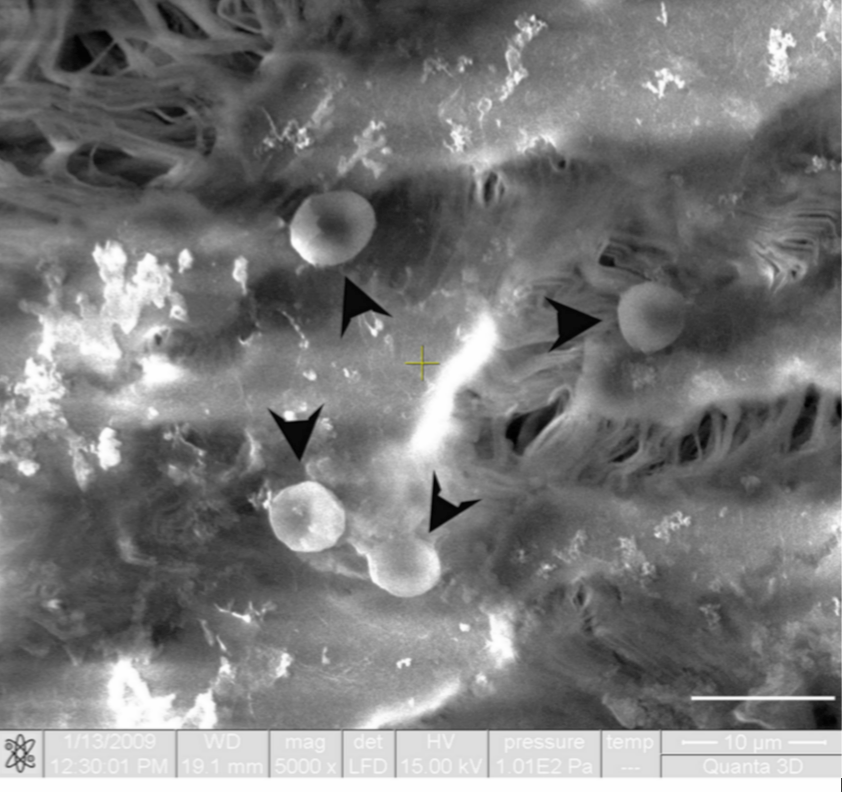
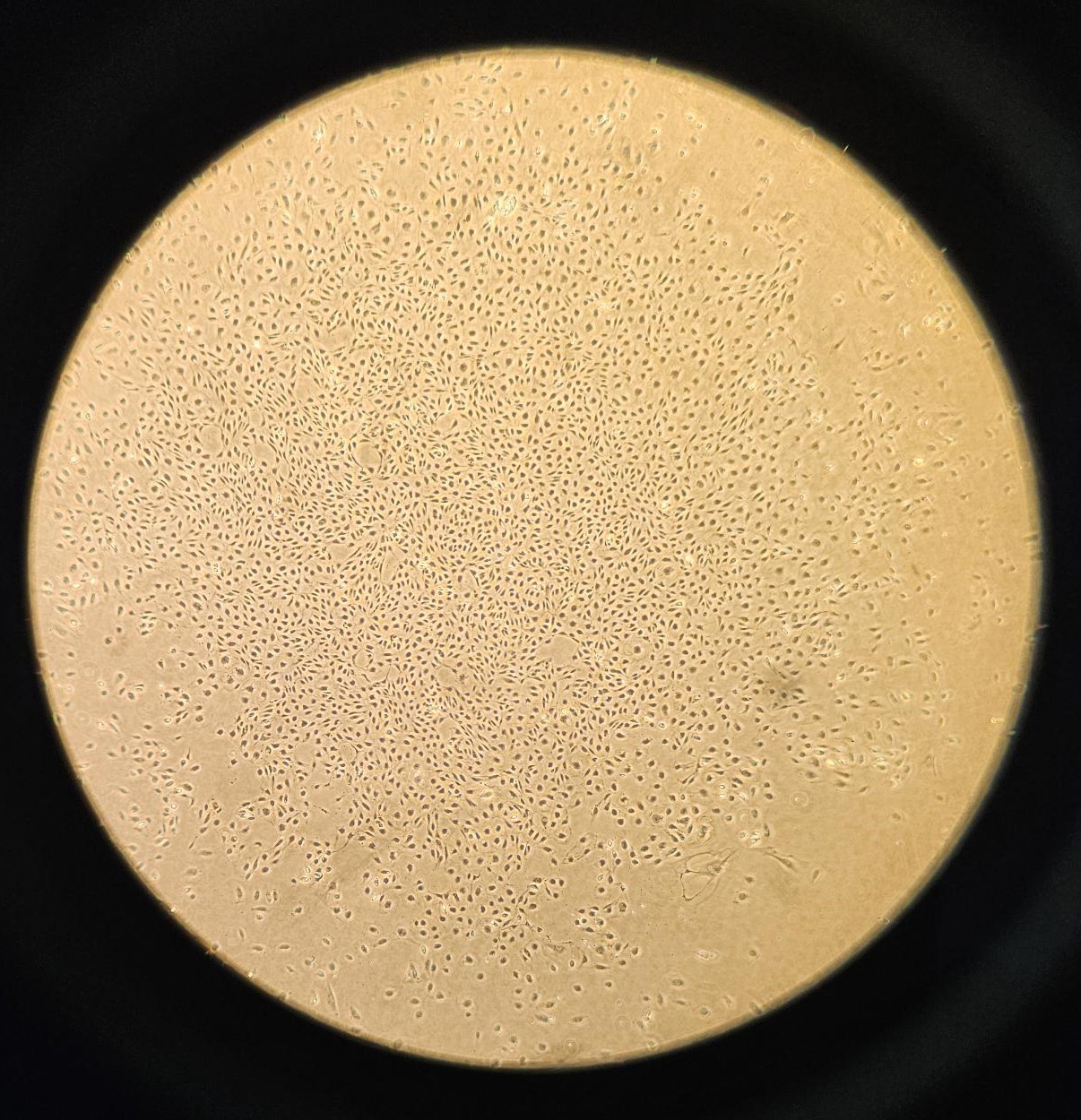
The endothelium is a thin layer of cells inside blood vessels. It helps regulate widening, clotting, inflammation and exchange with surrounding tissue. One common research measure, flow-mediated dilation, uses ultrasound to see how the brachial artery widens after a brief change in blood flow.
Nitric oxide is one part of that response. The oral bacteria and dietary nitrate pathway shows how nitrate-rich foods can contribute to nitric-oxide biology, but endothelial health is broader than one molecule. Blood pressure, glucose, smoking, fitness, sleep and medications all matter.
Weight-loss trials do not all agree
A randomized study in adults with obesity found that weight reduction improved measures of conduit and resistance artery endothelial function. Another randomized trial comparing diet-induced loss with diet plus exercise improved several cardiometabolic markers, yet did not find a significant change in flow-mediated dilation.
A small study of a very-low-calorie diet reported improved flow-mediated dilation alongside weight loss and better glucose measures. The differing results are not necessarily contradictions. Sample size, baseline health, test method, amount of loss and intervention length can all change what a trial detects.
Improve the pattern, not a single test
The most dependable cardiovascular gains from weight management are often seen in blood pressure, glucose control, triglycerides, fitness and sleep apnea severity. Aged garlic extract trials are a separate evidence stream and do not show that any supplement replaces prescribed treatment or a sustainable diet.
VitaVein is marketed as a beetroot capsule for heart health and circulation. Beetroot ingredients are relevant to dietary nitrate research, but the finished product was not tested in the weight-loss trials discussed here. People using blood-pressure medicines, nitrates or treatment for kidney disease should ask a clinician or pharmacist about supplement fit.
What to track in real life
Use measurements that change care: home blood pressure with a validated cuff, lipids, glucose or A1C when indicated, fitness and medication needs. Flow-mediated dilation is mainly a research tool, not a routine score to chase.
Omega-3 supplements for heart prevention also illustrate why population and product matter. A result in one high-risk group or prescription formulation cannot be transferred automatically to an over-the-counter supplement—or to weight loss itself.
A practical vascular plan
Build gradual weight change around foods you can repeat, regular aerobic activity, resistance exercise, tobacco avoidance and appropriate medical care. Low-carb versus low-fat plans can both reduce weight when they create a sustainable energy deficit. Treat any supplement as an optional addition with product-specific uncertainty. The goal is not to maximize one laboratory pathway; it is to lower the total burden on the cardiovascular system.
Why a research measure is not a promise
Flow-mediated dilation is sensitive to technique and short-term conditions. Caffeine, recent exercise, meals, room temperature, smoking and medication timing can affect testing, which is why research protocols standardize them. A small percentage change in a paper should not be converted into a guaranteed personal benefit. It also should not be used to market a food or supplement unless that exact intervention and outcome were tested appropriately.
Weight loss can still be worthwhile when this one measure does not change. Lower blood pressure, improved glucose control, better mobility and reduced sleep-apnea burden can meaningfully lower cardiovascular risk. Work with a clinician on the markers relevant to your history. Chest pressure, fainting, sudden shortness of breath or neurologic symptoms are urgent medical issues, not signals to increase exercise or add a circulation supplement.
Separate mechanisms from outcomes
A mechanism can be real without producing a large clinical effect. Nitric oxide signaling, inflammation and insulin sensitivity all offer plausible links between weight change and vascular function. Still, a plausible pathway is not the same as fewer heart attacks or a better result for every person. Give priority to interventions with proven overall benefit, and treat pathway language as an explanation to test—not as a substitute for outcomes. Recheck the measures that can actually change treatment decisions.