Oral Bacteria, Dietary Nitrate and Blood Pressure: The Missing Link
Oral bacteria help convert dietary nitrate into nitric oxide. Learn what mouthwash and beetroot trials show, where evidence conflicts, and how to stay safe.
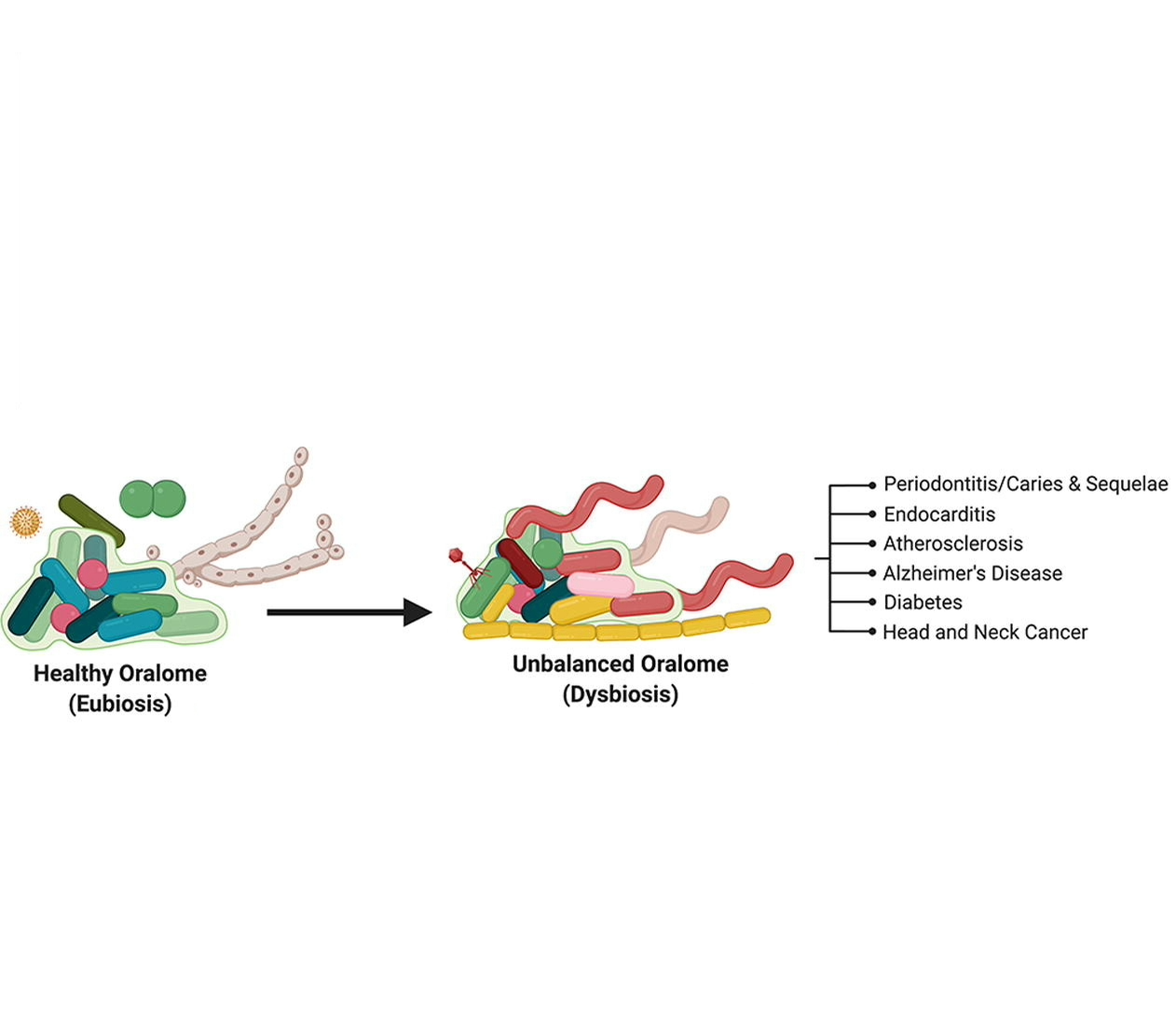
The mouth is an active first step in nitrate-to-nitric-oxide biology, but beetroot products vary and should not replace proven blood-pressure care.
Your mouth begins a circulation pathway
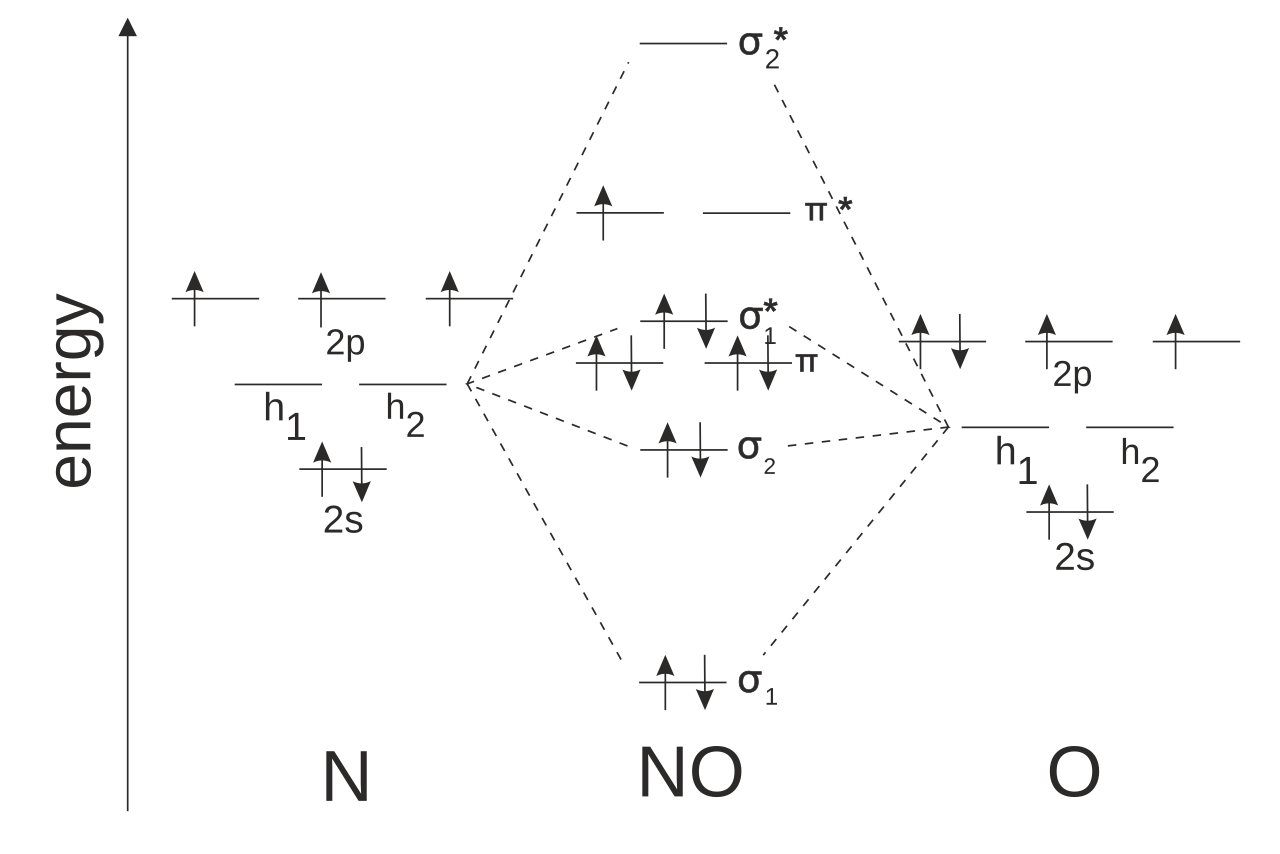
Dietary nitrate does not act alone. After absorption, some nitrate returns to saliva, where certain oral bacteria convert it to nitrite. That nitrite can contribute to nitric-oxide formation in the body. Nitric oxide helps blood vessels relax, which is why the oral microbiome has become part of blood-pressure research.
This pathway is different from saying every beet product lowers blood pressure. Nitrate content, dose, population, medication use and study duration all matter. The strongest experiments measure a defined nitrate dose and compare it with a nitrate-depleted placebo.
Mouthwash experiments show the bacteria matter
In 19 healthy volunteers, seven days of chlorhexidine antiseptic mouthwash sharply reduced oral nitrite production and lowered plasma nitrite. Blood pressure rose by a small amount, and the change tracked with the fall in circulating nitrite. A randomized crossover study in 15 treated adults with hypertension similarly found that three days of antibacterial mouthwash reduced oral nitrate conversion and raised systolic pressure by about 2.3 mm Hg compared with water.
These are small, short studies. They do not prove that ordinary mouthwash use causes hypertension or that people should stop medically indicated oral care. They show that disrupting oral bacteria can alter nitrate biology under study conditions.
Beetroot trials are promising—and inconsistent
A double-blind phase 2 trial assigned 68 adults with hypertension to nitrate-rich beetroot juice or nitrate-depleted placebo for four weeks. The nitrate group had lower clinic, home and ambulatory blood pressure. Other controlled trials in treated hypertension have reported smaller effects, no effect or benefits in selected uncontrolled patients.
Differences in nitrate dose, background medicine, baseline pressure and duration can explain some disagreement. Blood pressure also varies naturally. The evidence supports continued research and possibly an adjunctive role, not a guaranteed response and not permission to replace prescribed treatment.
Match the product to the evidence
For readers comparing beetroot formats, VitaVein is sold as a beetroot capsule. That makes it relevant to nitrate conversations, but the finished supplement was not tested in the cited juice trials. A beetroot amount is not automatically a verified nitrate dose unless nitrate itself is quantified, so ingredient evidence should stay separate from product results.
Look for a label that states serving size, beetroot amount and any standardized nitrate content. Capsules, powders and juices can differ markedly. People taking blood-pressure medicine, nitrate drugs, phosphodiesterase-5 inhibitors, or medicines that affect potassium or kidney function should discuss supplements with a clinician. Beeturia—pink urine or stool—can occur and is usually harmless, but symptoms such as dizziness need attention.
Protect oral health and cardiovascular care together
Do not abandon an antiseptic mouthwash prescribed for a dental reason. Ask the dentist whether long-term use is needed and how it fits the full oral-care plan. Brushing, flossing and professional care remain important; a theoretical nitrate benefit does not justify untreated gum disease.
If testing a nitrate-rich food or supplement, keep prescribed therapy unchanged and use a validated upper-arm cuff at consistent times. Record repeated readings rather than reacting to one number. The practical close is coordination: know the nitrate dose, keep the mouth healthy, and let blood-pressure decisions rest on reliable measurements and clinical care.
Food sources still belong in the conversation
Leafy greens and beets provide dietary nitrate alongside other nutrients. Their nitrate content varies with variety, growing conditions and storage, so a serving cannot be treated as a drug dose. That variability is acceptable in a healthy eating pattern but matters when comparing a meal with a standardized trial.
People prone to calcium oxalate kidney stones may need individualized advice about large amounts of high-oxalate beet greens or concentrates. Anyone with low blood pressure should watch for lightheadedness. A food-first pattern can support cardiovascular health, while a supplement requires the same medication and safety review as other concentrated products. Repeated measurements matter more than a single promising reading.