Diet Breaks for Weight Loss: Planned Pauses, Not Metabolic Magic
Planned diet breaks may make restriction easier to sustain, but trials do not support calling them a guaranteed metabolism reset.
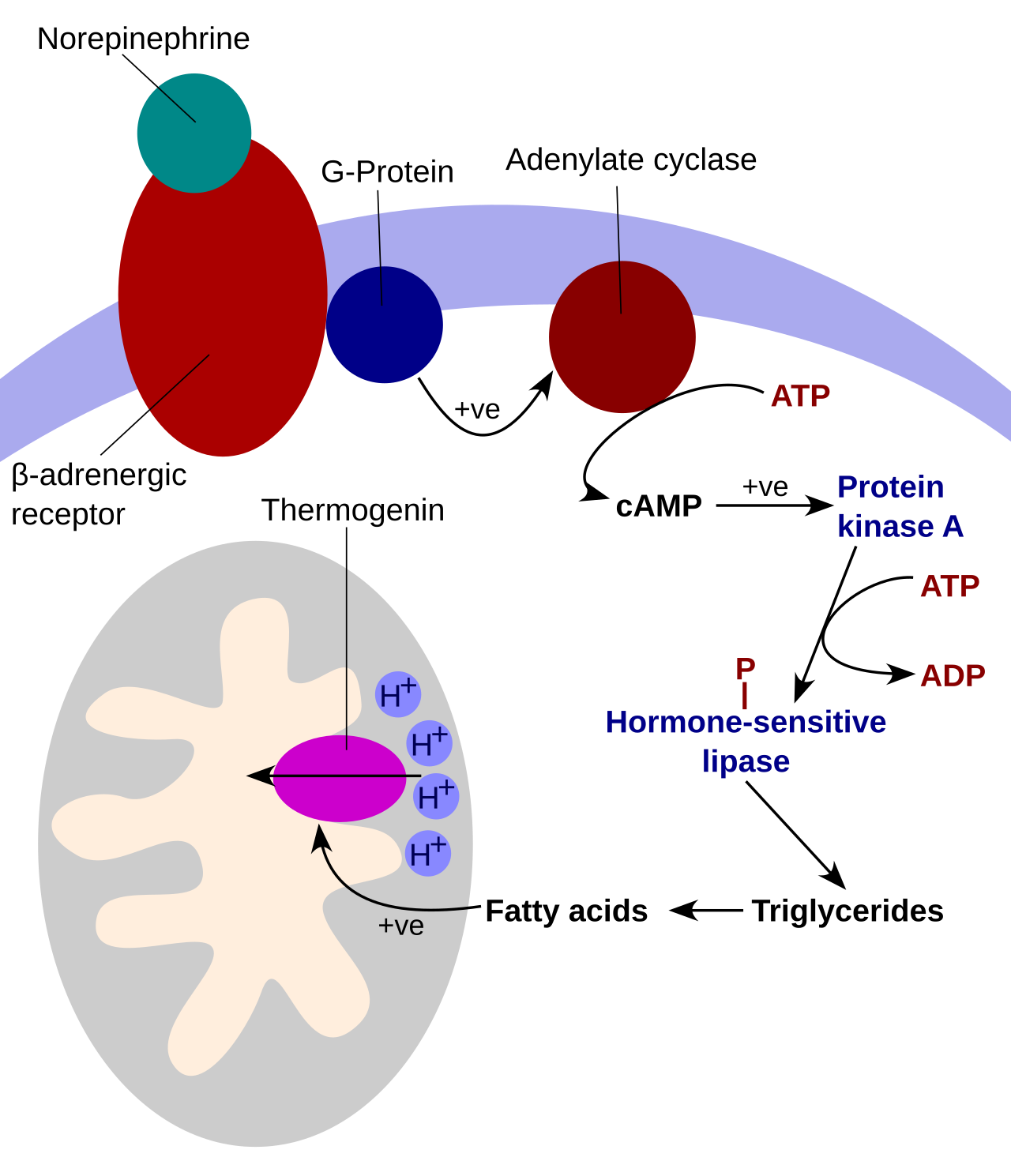
A planned maintenance phase can be useful for practice and relief, but its main value is structure—not a promise to restart metabolism.
A pause can be part of the plan
A diet break is a planned period at roughly weight-maintenance intake between blocks of calorie restriction. It is not a weekend free-for-all, a cleanse or permission to abandon the skills that produced progress. The idea is attractive because restriction gets tiring, hunger can rise and energy expenditure can adapt as body weight falls.
That makes diet breaks different from time-restricted eating, which changes the hours in which food is eaten. A break changes energy intake for days or weeks while keeping an overall plan. The practical question is not whether a pause sounds appealing. It is whether the pause improves results, adherence or quality of life compared with steady restriction.
Why the MATADOR trial drew attention
The MATADOR randomized trial studied men with obesity. One group completed continuous energy restriction; the other alternated two-week restriction blocks with two-week energy-balance blocks. In the per-protocol analysis, the intermittent group lost more weight and fat. The researchers also reported a smaller reduction in resting energy expenditure after accounting for body-composition change.
Those findings are interesting, but they do not prove a universal metabolic reset. The study was relatively small, limited to men, and the intermittent plan took much longer on the calendar. Resistance training during weight loss was not the intervention being tested, yet it remains a separate tool for preserving function and lean tissue while weight comes down.
Other trials make the picture less dramatic
A larger 12-month randomized trial compared continuous restriction, alternating weeks and a 5:2 pattern. Among participants who completed the program, weight loss was similar across strategies. A small 2026 trial in women likewise found no significant between-group advantage for a diet-break approach over continuous restriction, although both groups lost fat.
This mixed record fits a familiar pattern: several calorie structures can work when people can follow them. Sleep extension may help some adults manage appetite and intake, but it does not turn one calorie pattern into the single correct method. A break should earn its place by making the plan more livable, not by carrying a dramatic physiological story.
How to run a real maintenance phase
Set dates in advance, usually one or two weeks, and aim for estimated maintenance rather than unrestricted eating. Keep protein, produce, activity and regular meals steady. Expect the scale to rise temporarily as glycogen, water and food volume increase. That rebound is not automatically fat regain and should not trigger a compensatory crash diet.
When restriction resumes, return to the previously planned deficit. Do not keep shrinking food intake to repay the pause. Comparing low-carb versus low-fat plans can help you choose foods you can sustain, but the break itself should resemble the long-term pattern you want to live with.
Use the break for rehearsal
A strong maintenance phase answers practical questions: Can you hold portions without a rigid menu? Can you navigate restaurants, weekends and hunger without treating them as failures? If the answer improves, the pause has done valuable work even without a special metabolic effect. If it repeatedly becomes uncontrolled eating, adjust the structure with a registered dietitian or obesity-medicine clinician.
Common ways a diet break goes off course
The first mistake is calling unplanned overeating a metabolic intervention. A maintenance phase still has a target, even if it allows more flexibility. The second is reacting to the expected water-weight increase by restricting harder. More carbohydrate and sodium can replenish glycogen and the water stored with it, so the scale may move before fat mass does. Use a weekly average and wait for several days of normal eating before judging the result.
The third mistake is starting a break only after exhaustion has already turned the diet into a cycle of deprivation and rebound. Schedule pauses before a difficult travel period or after a defined block of restriction. If maintenance intake is hard to estimate, increase food gradually and watch the trend. The goal is a stable phase that rehearses ordinary life, not precision down to the final calorie.