Daily Self-Weighing for Weight Loss: Useful Feedback, Not a Verdict
Daily weighing can support weight loss when it guides small actions, but trials show that a scale alone is not a treatment.
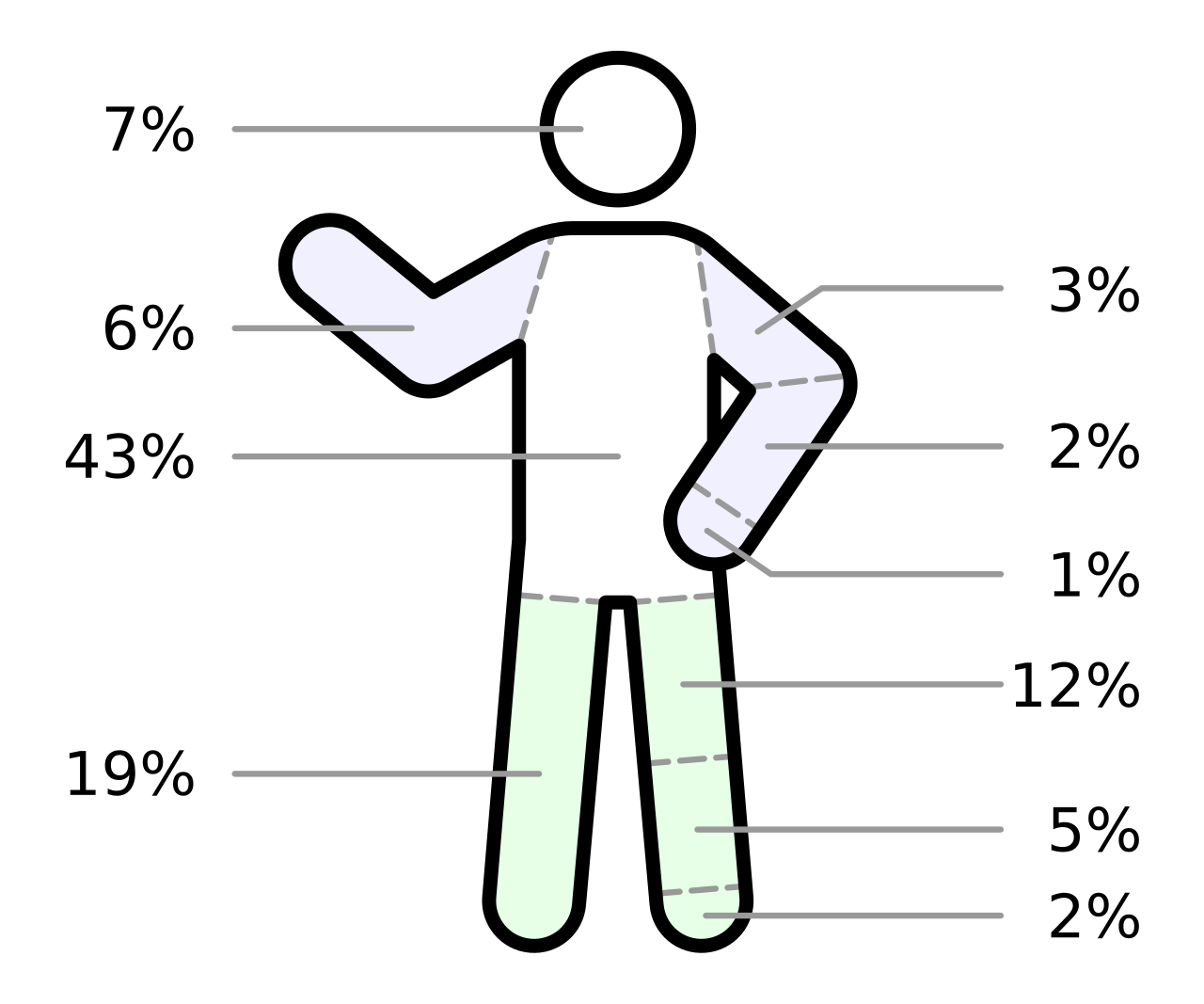
Daily weighing can be a low-cost feedback tool, especially when paired with a clear plan, but it should help decisions rather than judge the person using it.
Why a daily number can still be useful
A bathroom scale can turn a vague goal into visible feedback. The useful signal is not whether today is up or down; it is whether the average is drifting over several weeks. Water, sodium, glycogen, bowel contents and the menstrual cycle can all move body weight before body fat has meaningfully changed. That is why a daily reading works best as one dot in a trend, not a grade for the day.
This distinction also keeps expectations realistic. A glass of water, a later dinner or a hard workout can shift the next reading without undoing progress. Our guide to water before meals explains why fluid can help with meal intake while also adding temporary scale weight. Look for a pattern under similar conditions: after waking, after using the bathroom and before breakfast.
What randomized trials actually found
In one six-month randomized trial, adults given connected scales, a weight graph and tailored email feedback lost more weight than a delayed-intervention group. The package mattered: the scale supplied frequent information, while the graph and messages translated it into action. Another trial that mainly supplied scales plus basic instructions found no significant advantage, a useful reminder that hardware by itself does little.
The same logic applies to eating patterns. Tracking meal timing can reveal whether late, unplanned eating repeatedly follows a long gap, but the observation only helps if it leads to a workable change. Self-weighing is therefore closer to a dashboard light than a steering wheel: it shows direction but does not choose the route.
Build a feedback loop, not a punishment loop
Pick one review day each week and calculate or view a seven-day average. If the average has been flat for three or four weeks, inspect behaviors you can change: portions, restaurant meals, drinks, steps, sleep or medication effects. Ultra-processed foods can make intake easier to overshoot, but a label is less useful than noticing which products repeatedly leave you hungry or trigger automatic refills.
Do not cut calories sharply because of one high reading. First ask what changed in the previous 24 to 72 hours. If a stable upward trend continues, choose one modest adjustment and keep it long enough to evaluate. That preserves the scale's real value: fast feedback on a slow process.
When daily weighing is the wrong tool
Daily weighing is optional. It can be counterproductive for someone with an active or past eating disorder, compulsive checking, severe body-image distress or a pattern of restricting after normal fluctuations. In those situations, a clinician may suggest less frequent blind weights, measurements taken only in care, or non-scale markers such as strength, blood pressure and mobility.
It is also worth separating scale data from supplement marketing. Weight-loss supplement evidence is often weaker than the confident promises on a label, and a brief downward fluctuation cannot prove a product worked. Medication changes, swelling, rapid unexplained gain or loss, and symptoms such as shortness of breath call for medical advice rather than tighter tracking.
A practical close
Try daily weighing for four weeks only if it feels emotionally neutral. Record the number automatically, review weekly averages, and pair the trend with one or two behaviors. Keep the tool if it makes decisions calmer and clearer. Drop it if it makes your days smaller. Consistency is useful; obsession is not required.
Questions to ask after four weeks
After four weeks, ask whether the weekly average changed in the expected direction and whether the routine influenced useful behavior. Also ask what the number cost emotionally. A tool that produces panic, repeated checking or meal skipping is not earning its place. If the trend is stable and the process feels calm, continue. If not, change the frequency, hide the display or use another marker. A clinician can also help interpret rapid or unexplained change, especially when swelling, medication changes or illness are involved.