Rapid vs Gradual Weight Loss: Does Slower Really Prevent Regain?
A randomized trial found similar long-term regain after rapid and gradual loss, but medical safety and nutritional quality still set limits.
Slower loss is not guaranteed to prevent regain, but aggressive plans carry practical and medical risks that a scale-only comparison can hide.
The familiar rule is too simple
People are often told that fast weight loss always comes back, while slow loss stays off. That sounds sensible, but it combines two separate questions: how quickly weight falls and what happens after the loss phase ends. Maintenance behavior, treatment support and biology continue long after the initial pace is chosen.
Sleep extension can make a modest calorie deficit easier for some adults, but no sleep schedule makes an extreme plan safe. Pace should be judged alongside nutrition, medications, symptoms and the person's ability to maintain the method.
A randomized trial challenged the regain claim
An Australian randomized trial assigned 200 adults with obesity to a rapid 12-week program or a gradual 36-week program. More participants in the rapid group reached the initial weight-loss target. Those who did then entered the same long maintenance phase.
By the end of follow-up, regain was high and similar in both groups. The study therefore did not support the claim that gradual loss automatically protects against regain. Low-carb versus low-fat research points to a related lesson: the label on the starting strategy often predicts less than adherence and maintenance support.

Why faster is not automatically better
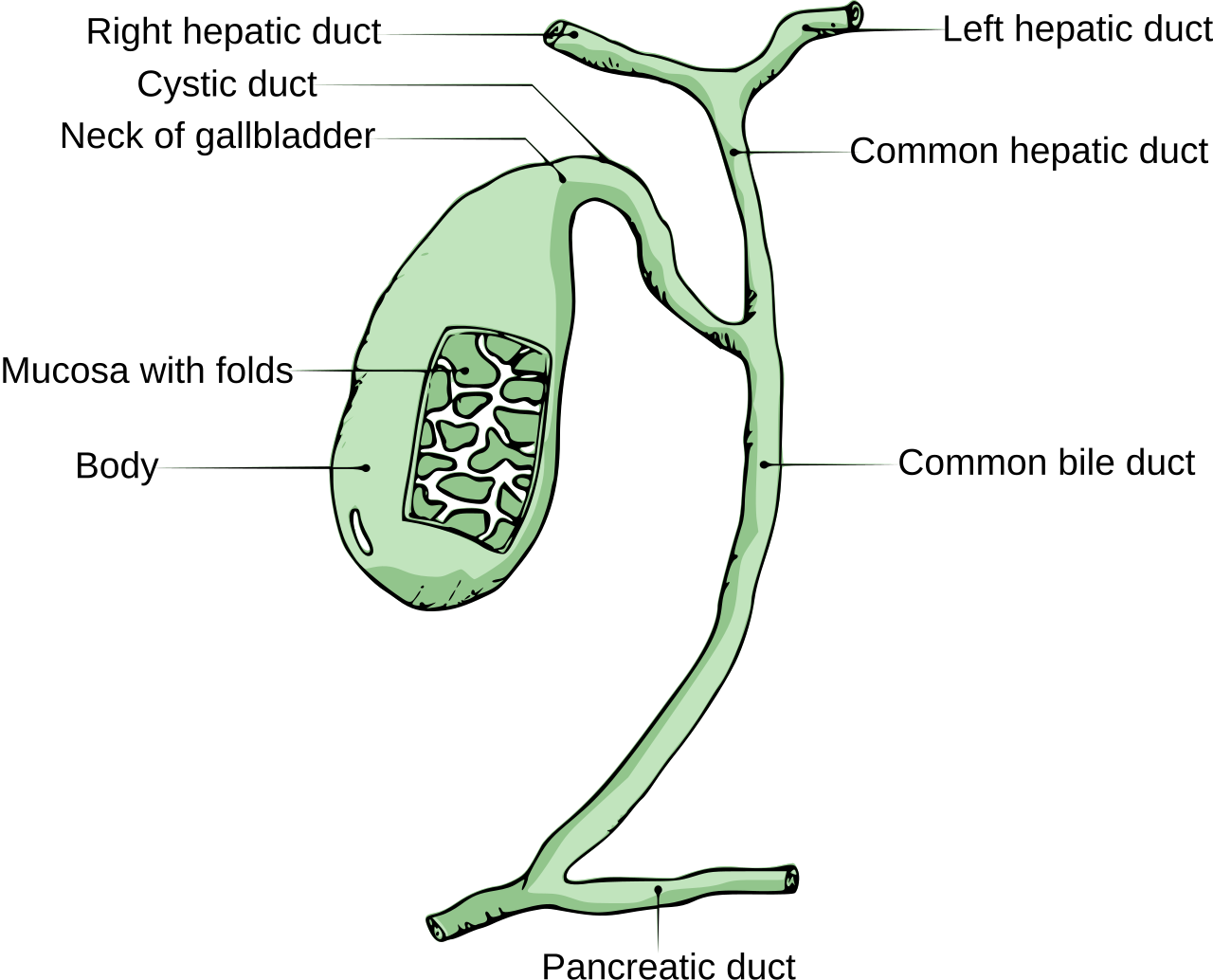
The rapid arm used a closely defined very-low-energy formula program with supervision. It was not a do-it-yourself fast. Rapid loss can increase gallstone risk, and restrictive plans can worsen dizziness, constipation, nutrient gaps and loss of lean tissue. Medication needs may change quickly, especially for diabetes or blood pressure treatment.
Resistance training during weight loss can help preserve function, but it cannot make a nutritionally inadequate crash diet complete. Severe abdominal pain, persistent vomiting, fainting, palpitations or symptoms of low blood sugar need prompt medical attention.
Choose pace by the full risk-benefit picture
A faster program may be reasonable when a clinician recommends an evidence-based, nutritionally complete intervention and can monitor it. A gradual plan may better fit ordinary meals, family life and skill building. Neither pace earns a guarantee.
Water before meals is a modest behavioral tactic, not a substitute for food or clinical monitoring. Set an expected range rather than a daily deadline, and assess waist, strength, blood pressure, laboratory markers and quality of life alongside weight.
Plan maintenance before acceleration
Ask what you will eat, how you will move and who will support you when the intensive phase ends. If those answers are missing, making the loss faster may simply bring the maintenance problem forward. The best pace is the safest one that produces useful progress and leaves a realistic life on the other side.
Put a number on safety, not virtue
A commonly used clinical starting range is roughly one to two pounds per week, but larger bodies may lose more early and smaller bodies less. That range is a planning reference, not a moral speed limit or a guarantee of fat-only loss. Early changes can include glycogen and water. What matters is whether the method supplies adequate nutrition, preserves function and is monitored when medications or medical conditions make rapid change risky.
Do not extend a rapid phase because the first weeks felt easy. Intensive programs usually have defined durations and step-down plans. If hunger, fatigue, cold intolerance, menstrual changes, declining performance or preoccupation with food is growing, reassess. A slower pace that protects health is progress. So is a supervised maintenance pause. The aim is not to win a race against the calendar; it is to improve health without creating a second problem.
What the trial cannot settle
The randomized trial compared specific programs in selected volunteers; it did not test every commercial diet, fasting schedule or medication. It also cannot tell one person which pace will protect mental health, muscle or gallbladder function. Those decisions need medical history and treatment context. Use the study to retire the myth that slow always prevents regain, not to justify any rapid method offered online.