Rapid Weight Loss and Hair Shedding: Recognizing Telogen Effluvium
Diffuse shedding after rapid weight loss may be telogen effluvium, but pattern hair loss, illness and nutrient problems need different evaluation.
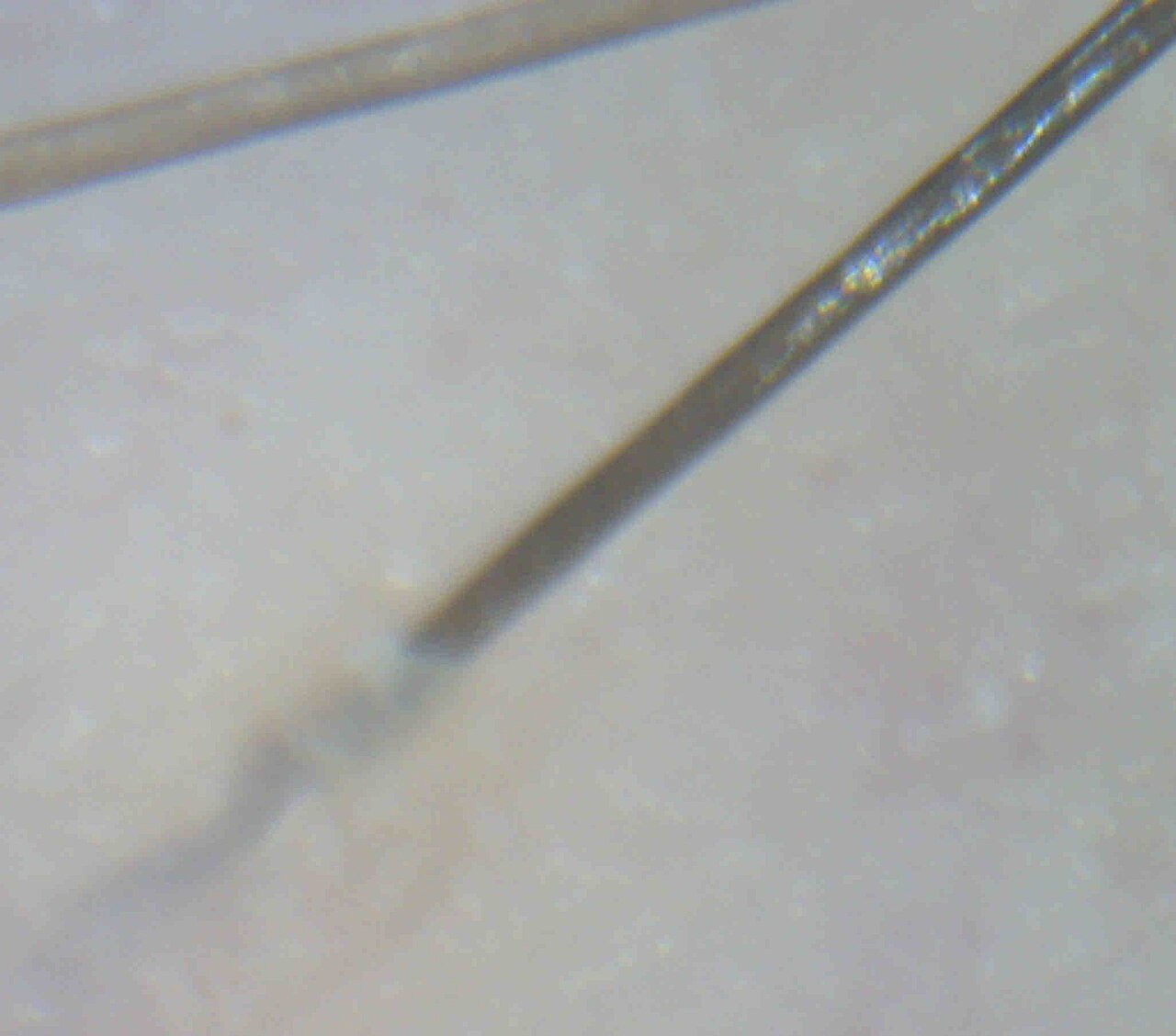
Rapid loss can be one trigger for delayed diffuse shedding, but the cause should be confirmed before adding supplements or hair-loss medication.
Why shedding can appear after the diet
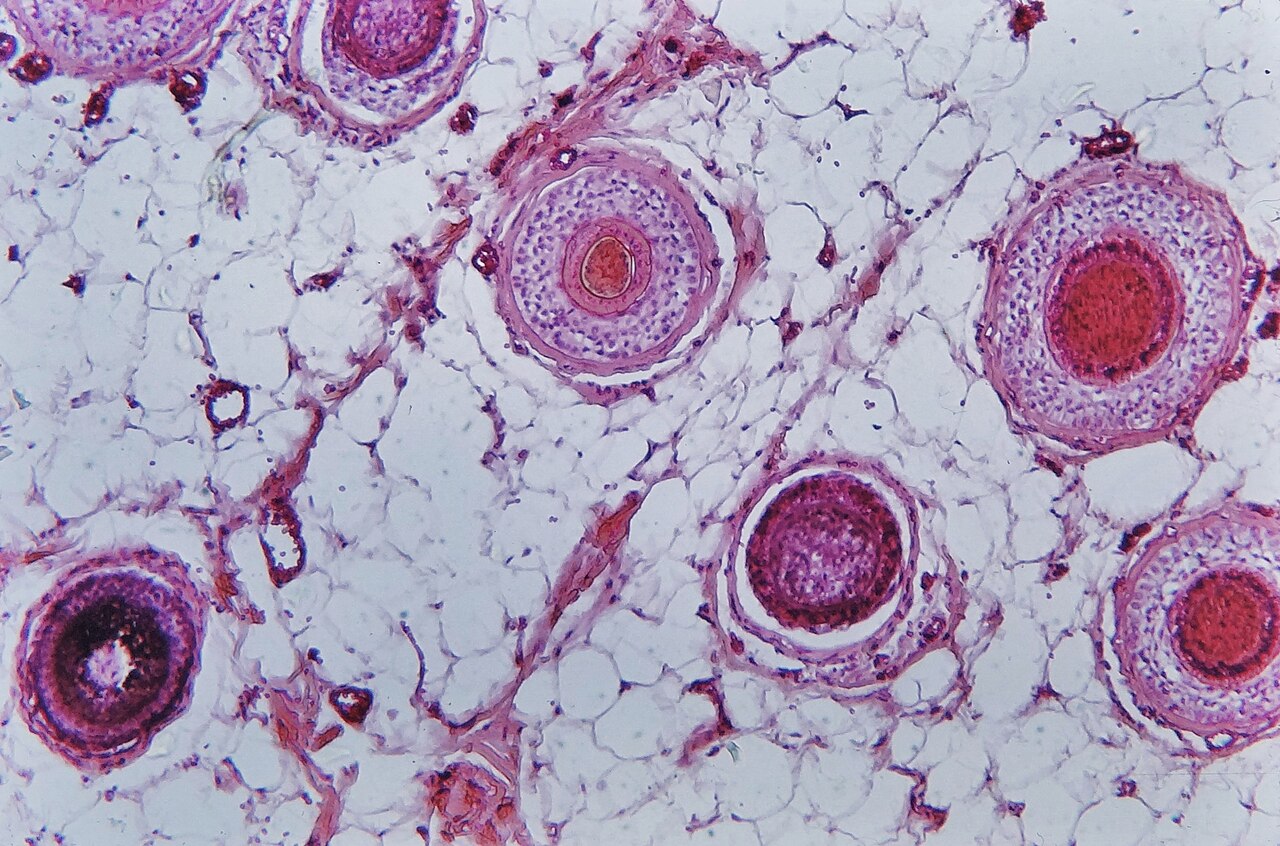
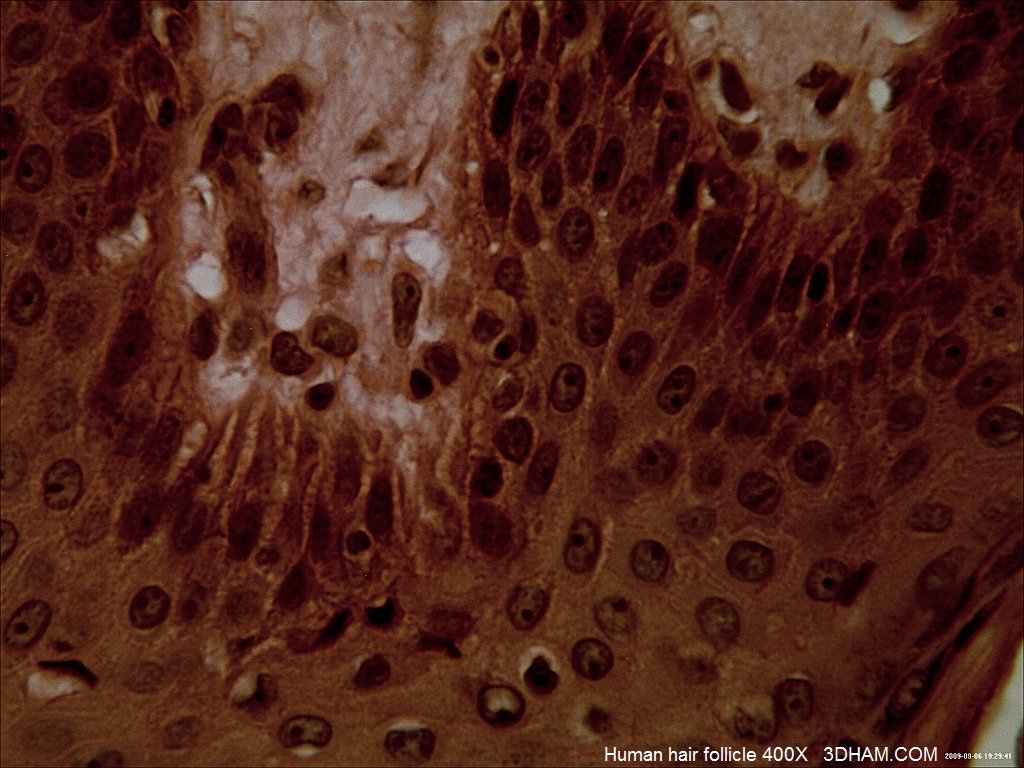
Hair follicles cycle through growth, transition and rest. A physical stressor can shift more follicles into the resting phase, with noticeable shedding appearing weeks to months later. That delay makes it easy to blame the newest shampoo instead of an earlier illness, surgery, fever or period of rapid weight loss.
The pattern is usually diffuse rather than a single bald patch. Resistance training during weight loss supports function and lean tissue, but it cannot prevent every stress-related hair-cycle change. The speed and nutritional quality of loss still matter.
What the weight-loss evidence can tell us
A 2024 retrospective study described 140 people diagnosed with telogen effluvium after weight loss. The average reported loss and monthly pace were substantial, but the study was observational and cannot establish a safe threshold or prove that weight loss was the only trigger.
Older case reports also described marked shedding after vigorous calorie restriction. These reports support clinical plausibility, not a prediction that everyone losing quickly will shed. Protein powder during weight management may help close an intake gap, but hair loss is not a reason to take large doses of protein or micronutrients without assessment.
Check for causes that can coexist
A clinician may review the timeline, scalp pattern, medications, pregnancy history, illness and diet. Depending on the history, testing may include blood count, ferritin, thyroid markers or other targeted labs. Vitamin D and body weight are often discussed together, but a low level should be confirmed and treated appropriately rather than guessed from hair symptoms.
Patchy loss, scalp inflammation, scarring, eyebrow loss, broken hairs or a steadily receding pattern need a different differential diagnosis. Seek care promptly when shedding comes with fatigue, heavy bleeding, gastrointestinal symptoms or other signs of nutritional or systemic illness.
Telogen effluvium is not male-pattern hair loss
Telogen effluvium often improves after the trigger resolves, though regrowth takes time because follicles must re-enter the growth phase. Androgenetic alopecia produces a characteristic patterned thinning and may become more visible during a shedding episode.
Total Male Rx currently offers clinician-reviewed oral finasteride for eligible men with male-pattern hair loss. Finasteride is an FDA-approved prescription drug for that condition in men; it is not a treatment for telogen effluvium and is contraindicated in pregnancy. Eligibility, sexual adverse effects and other risks belong in a prescriber discussion.
Protect recovery without chasing a quick fix
Return to adequate energy, protein and micronutrient intake, and avoid extending an aggressive deficit while shedding is being evaluated. Weight-loss supplement evidence does not support treating hair symptoms with a random stack. Photograph the part and hairline monthly in similar light, then give a sound plan enough time to work.
What recovery usually asks from you
Hair growth is slow, so the visual timeline lags behind the nutritional correction. Daily counting is noisy and can increase distress. Instead, use monthly photographs and note whether shedding in the shower or brush is gradually settling. Gentle hair care can reduce breakage, but it does not change a follicle's internal cycle. Avoid tight styles, harsh chemical processing and repeated high heat while density feels reduced.
Do not assume that more biotin is safer. High-dose biotin can interfere with some laboratory tests, including tests used in urgent settings, and deficiency is uncommon without a specific reason. Iron should also be taken only when the need and dose are established. The most useful response is often less dramatic: stop the excessive deficit, correct a documented problem, treat the actual diagnosis and allow the follicle cycle time to recover.
Bring a useful timeline to the visit
Write down when the diet began, the approximate pace of loss, illnesses or surgeries in the prior six months, medication changes and when shedding became obvious. Include menstrual or pregnancy changes and any restrictive food rules. This timeline helps distinguish a delayed telogen trigger from progressive patterned loss. Bring supplement bottles too; hidden vitamin A, selenium or overlapping ingredients can complicate the picture.