Energy Density and Weight Loss: More Food Volume for Fewer Calories
Lower-energy-density meals use water and fiber to provide more food volume per calorie, helping some people feel satisfied while losing weight.
Lowering a meal's calories per gram can make a calorie deficit feel less like a shrinking plate.
The simple math behind a fuller plate
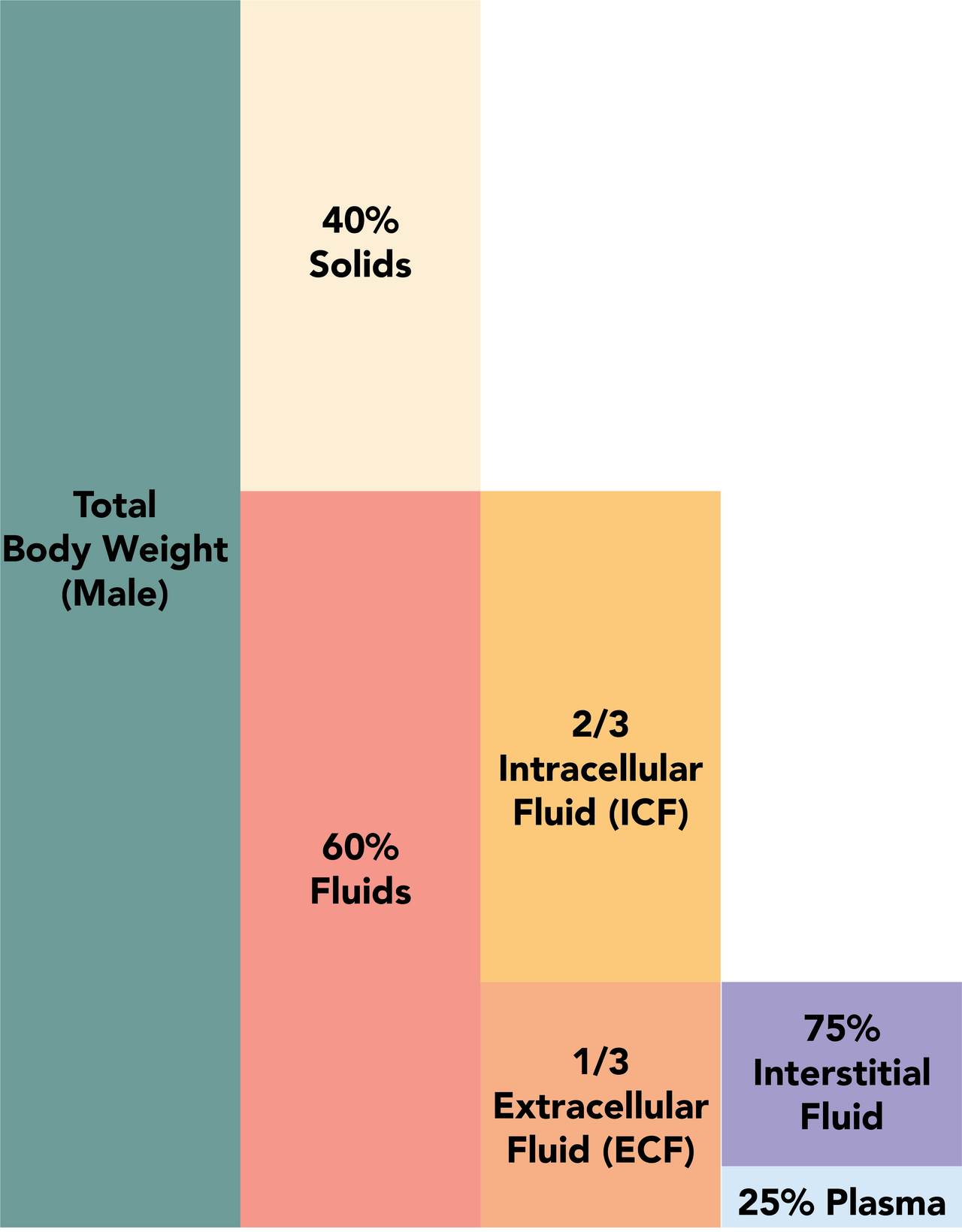
Energy density is the number of calories in a given weight of food. Water contributes weight and volume without calories, while fat supplies more calories per gram than carbohydrate or protein. That is why a broth-based vegetable soup and a small pastry can have similar calories but look and feel very different in the stomach.
This is not a rule that every meal must be huge. It is a design option. Water before meals can reduce intake for some adults, but water built into food often slows eating and adds texture as well as volume. Soups, fruit, vegetables, beans and cooked whole grains can lower a meal's average energy density.
A year-long trial tested the idea
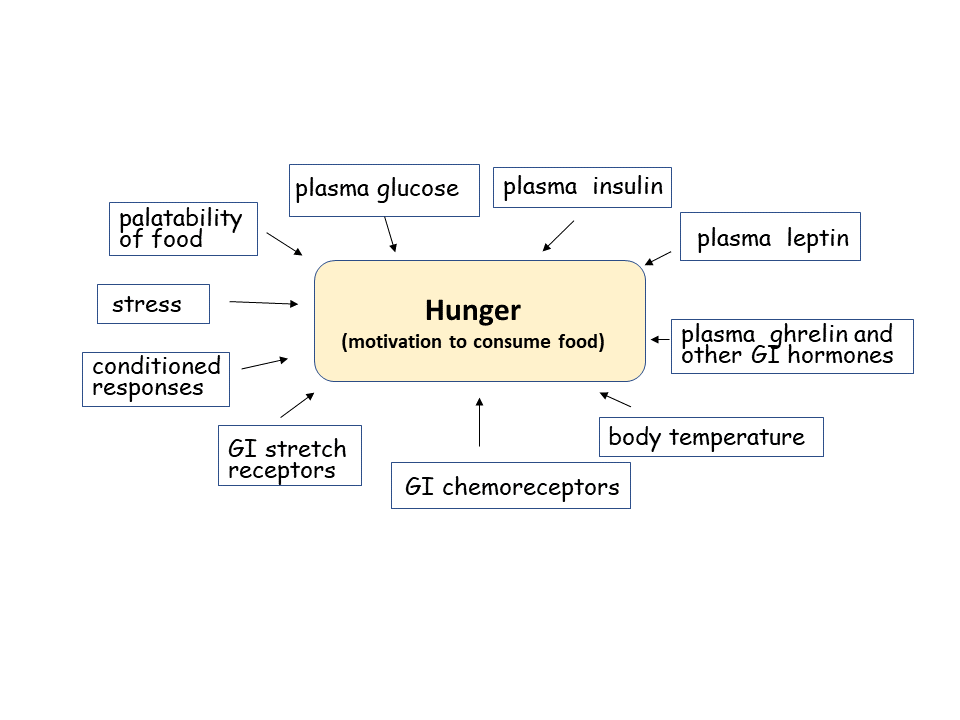
In a randomized trial lasting one year, women with obesity received counseling to reduce fat. One group was also encouraged to increase water-rich foods, especially fruit and vegetables. Both groups lost weight, but the water-rich-food group achieved greater average loss, ate a lower-energy-density diet and reported less hunger.
The result supports a pattern, not a magic ingredient. Psyllium for weight loss may modestly affect fullness in some settings, but adding fiber powder to an energy-dense diet does not recreate a varied, water-rich meal. The overall plate still determines calories, protein, micronutrients and enjoyment.
Use volume where it solves a real problem
Start with the meal that leaves you searching for food an hour later. Add a vegetable-rich soup, a large salad with measured dressing, berries with yogurt, or beans and vegetables in a grain bowl. Then reduce a smaller amount of the most energy-dense component. The goal is substitution, not simply adding more food on top.
Ultra-processed foods vary widely, yet many combine refined starch, fat and easy-to-eat textures in a compact package. Compare calories per serving and grams per serving to see how quickly density rises. A food can still fit; the question is what portion keeps the full meal satisfying.
Protect protein and pleasure
A bowl can be enormous and still poorly balanced. Include a clear protein source and enough fat for flavor and nutrient absorption. People with early fullness, gastroparesis, inflammatory bowel symptoms or high nutrition needs may do worse with very bulky meals and should individualize the approach.
Meal timing matters less than whether the pattern prevents predictable hunger crises. If a giant lunch makes you uncomfortable but leaves dinner chaotic, distribute volume differently. Keep favorite dense foods in deliberate portions rather than treating them as forbidden.
A useful two-week experiment
For two weeks, photograph one meal a day and note hunger before eating and two hours later. Change only its energy density by adding water-rich produce or broth and trimming an equal-calorie amount of a dense ingredient. Keep the change if it improves fullness and enjoyment. The best plate is not the largest; it is the one you can repeat.
Where energy density can mislead
Calories per gram do not measure the whole quality of a food. Nuts, seeds, olive oil and avocado are energy dense but can contribute useful fats and nutrients. Some low-density products are mostly water, sweetener and air and may not provide lasting satisfaction. Use density to shape a meal, not to rank foods as virtuous or bad. A modest amount of a dense ingredient can make a vegetable-heavy dish enjoyable enough to repeat.
Liquid calories deserve separate attention because drinks can leave the stomach quickly and may not satisfy like solid food. Yet a soup containing intact vegetables, beans and protein behaves differently from soda. Notice texture, chewing and the full meal context. If increasing produce causes bloating, raise fiber gradually and drink enough fluid. People with fluid restrictions or specialized gastrointestinal diets should follow their clinical plan rather than a generic volume target.
Keep the arithmetic simple
You do not need to calculate energy density for every recipe. Learn a few visual moves: add a broth or tomato base, double nonstarchy vegetables, keep protein visible and portion oils, cheese, nuts and sauces rather than pouring freely. Use the calorie label when comparing close substitutes, then return to hunger and satisfaction. The point is to reduce mental math, not create a new tracking burden.