PCOS, Weight Loss and Cycle Health: What Lifestyle Trials Show
Lifestyle programs can improve weight and may improve menstrual regularity in PCOS, but ovulation, fertility and weight are not interchangeable outcomes.
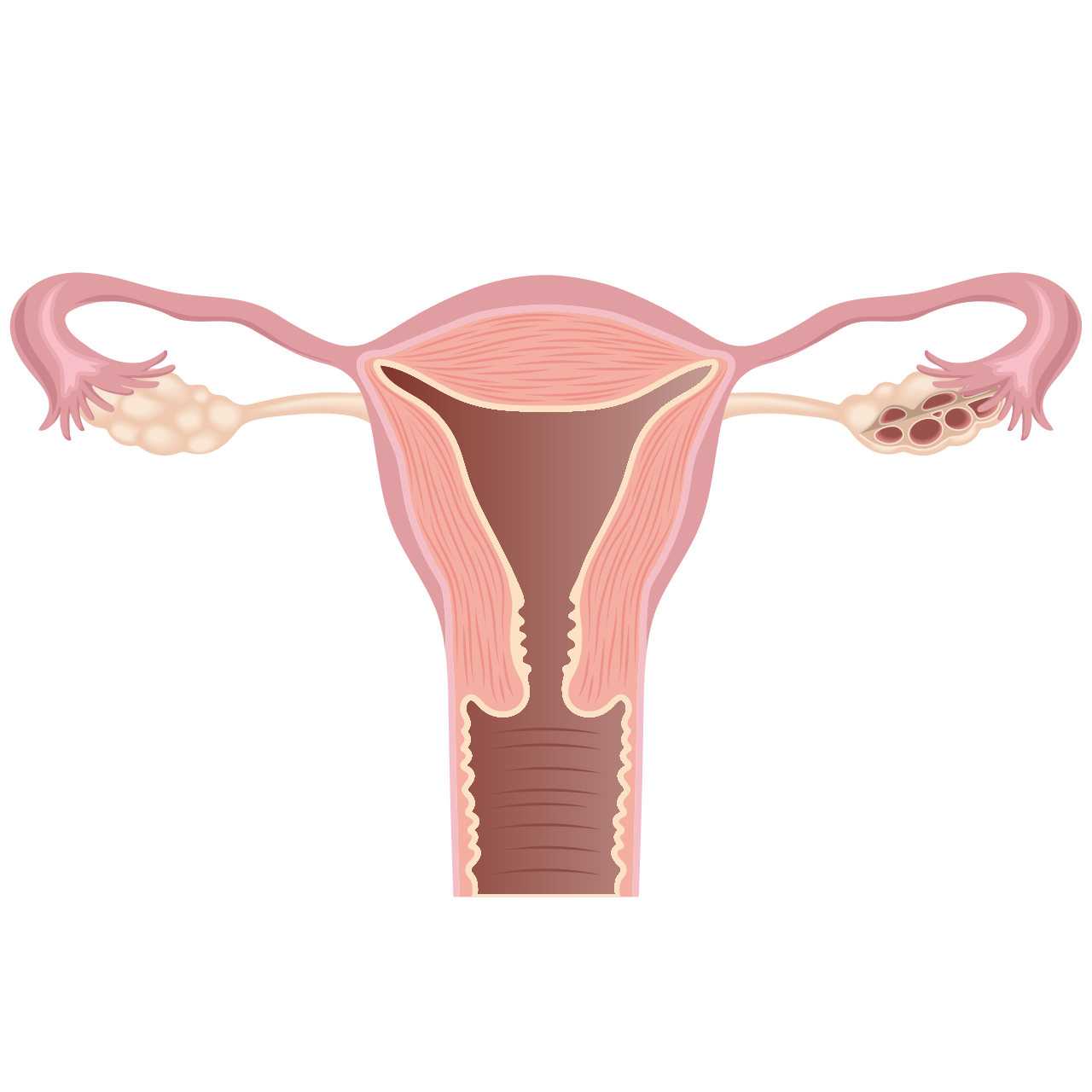
Lifestyle treatment can improve metabolic health and may help cycles in PCOS, but it should support—not define—the person or replace fertility-specific care.
PCOS is more than a weight problem
Polycystic ovary syndrome can involve irregular ovulation, androgen-related symptoms and metabolic risk. Body weight can influence insulin resistance and cycle function for some people, but thin people can have PCOS and weight loss is not a diagnostic requirement or a moral test.
Sleep extension may support appetite and metabolic health, yet PCOS care should also address blood pressure, glucose risk, lipids, endometrial protection, acne, hair symptoms and fertility goals. The right plan depends on which problems are present now.
Preconception trials separated several outcomes
In a randomized preconception study, women with PCOS and obesity received oral contraceptive pretreatment, lifestyle modification or both before fertility treatment. The lifestyle groups lost about 6 percent of body weight and had higher ovulation rates than the contraceptive-only group. Live-birth differences were not statistically significant.
That distinction matters. Ovulation is not pregnancy, and pregnancy is not live birth. Low-carb versus low-fat eating can both reduce weight when energy intake falls; neither pattern should be sold as a guaranteed fertility treatment.
Menstrual regularity can improve without a perfect scale result
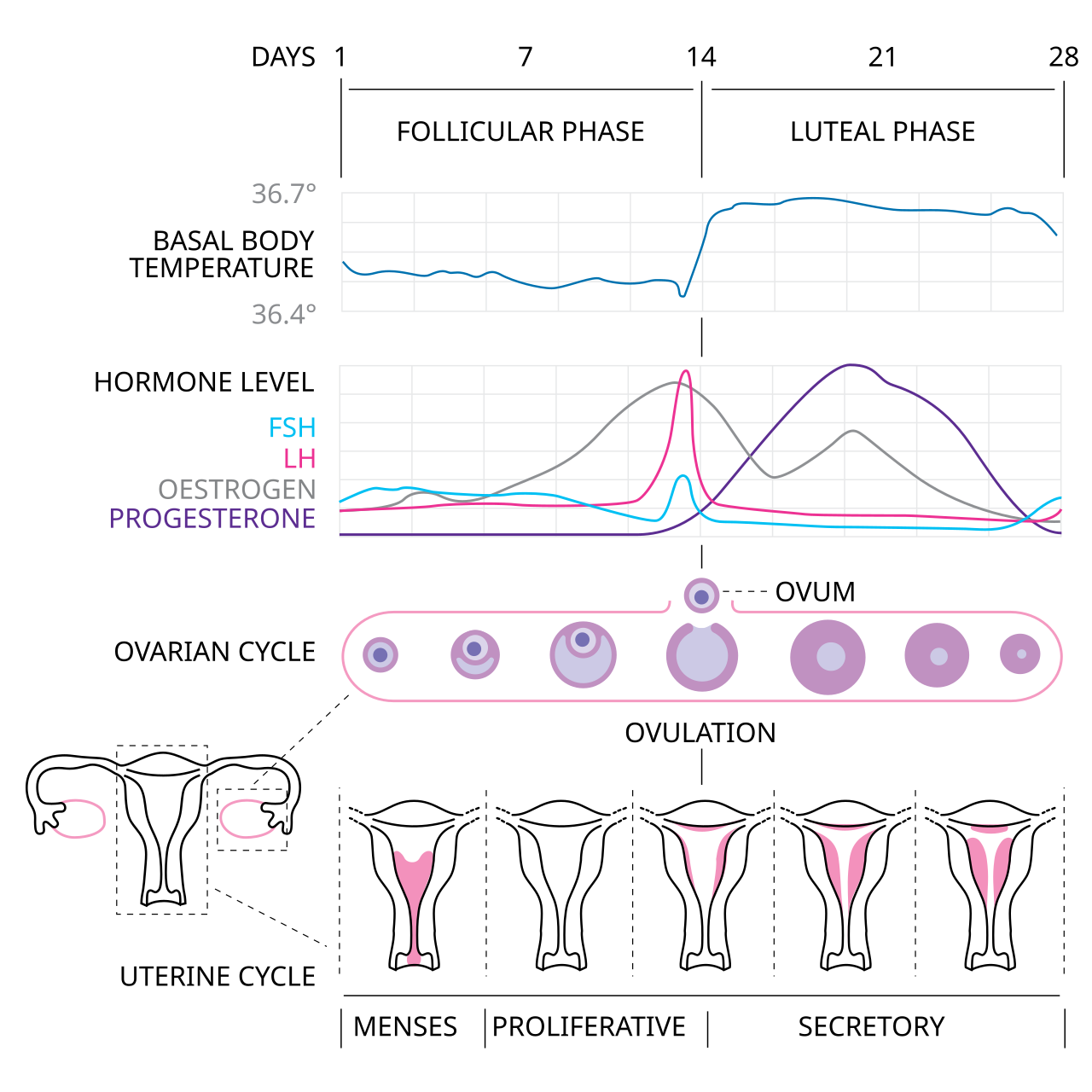
A randomized behavioral program in women with PCOS improved weight and menstrual regularity over the initial intervention, while ovulation did not differ significantly at four months. Longer follow-up suggested continued benefit in the intervention group. The trial supports structured behavior change while showing that cycle outcomes do not move in lockstep.
Meal timing can be adjusted around work, hunger and medication. Consistent meals, adequate protein and fiber, and activity that can be sustained are more useful than a rigid PCOS menu. If periods are very infrequent, clinicians may also discuss endometrial protection rather than waiting for weight change alone.
Keep libido products in the right lane
Weight change and women's sexual health can intersect through mood, body image, hormones and relationship factors, but the evidence does not reduce desire to a number on the scale. Sexual well-being deserves its own conversation.
Flirty Time by Liva is sold as a women's libido gummy. It is not a PCOS, ovulation or fertility treatment, and ingredient-level evidence is not the same as finished-product clinical evidence. Pregnancy plans, medications and hormone-sensitive conditions are sensible reasons to review any supplement with a clinician or pharmacist.
Choose outcomes you can actually use
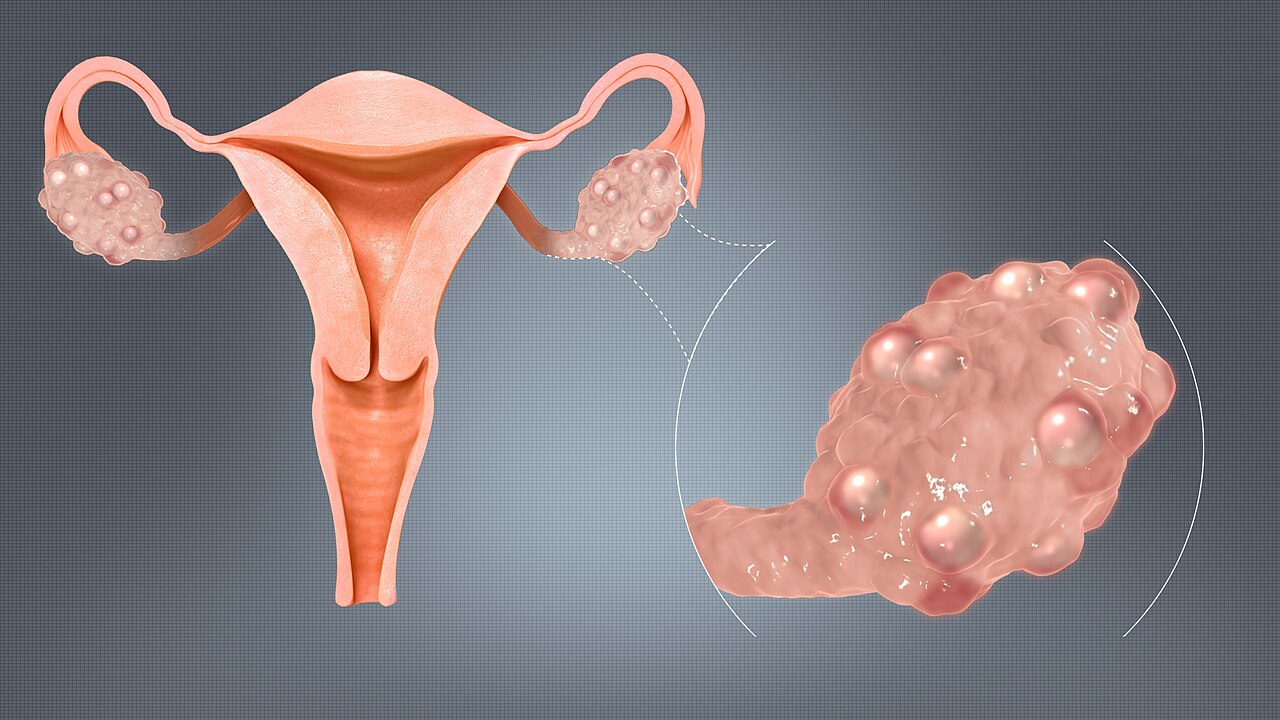
Track cycle dates, bleeding pattern, symptoms and the metabolic markers your clinician recommends. Seek care for very heavy bleeding, severe pain or long gaps between periods. A practical PCOS plan can include weight loss when desired and appropriate, but its success should also be measured in health, function, symptom relief and informed reproductive care.
When weight loss is not the next step
Someone may be weight-stable, recovering from disordered eating or already following a strong health pattern. In those cases, chasing a lower number may add harm without addressing the main PCOS concern. Clinicians can still treat irregular bleeding, acne, unwanted hair growth, metabolic risk or infertility directly. Medications, contraception and fertility treatment each have their own benefits, contraindications and monitoring needs.
If weight loss is a chosen goal, define a modest first target and preserve enough food for energy, protein and micronutrients. Avoid using cycle changes as the only scorecard because ovulation can be difficult to confirm without appropriate methods. A calendar is useful, but it cannot diagnose every cause of irregular bleeding. Shared decisions should reflect pregnancy intentions now, not assumptions about what every person with PCOS wants.
A practical appointment checklist
Bring a cycle record, current medications and supplements, pregnancy intentions, and the symptoms that matter most to you. Ask how often metabolic screening is appropriate and what to do if bleeding is absent for long stretches. If fertility is a goal, ask when ovulation induction or referral should enter the plan. Clear priorities keep weight from swallowing every other part of PCOS care. They also make follow-up easier to judge over time and across different treatment choices.